A Short Stroll Through Shoreline Park, Mountain View

DSC_3097

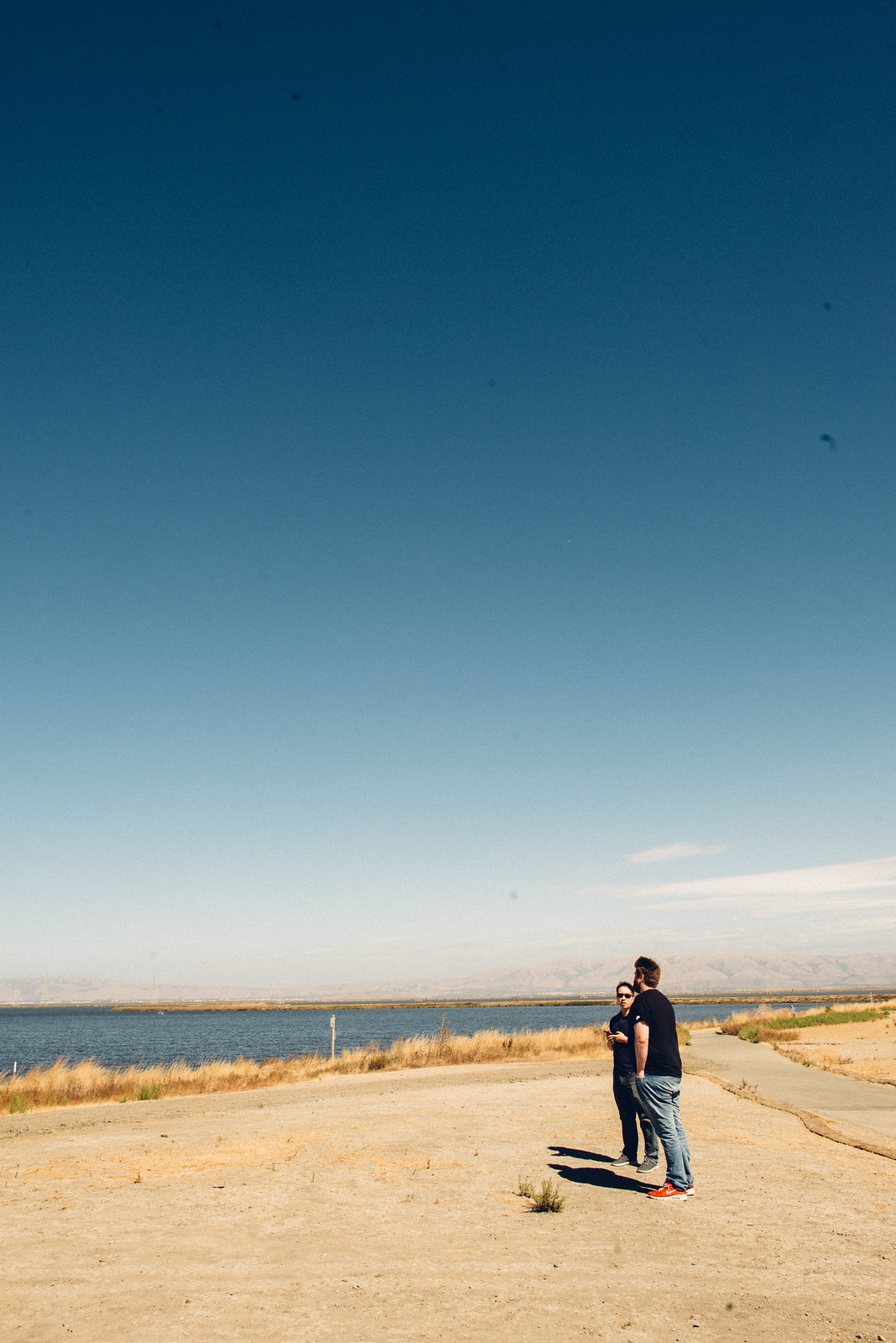
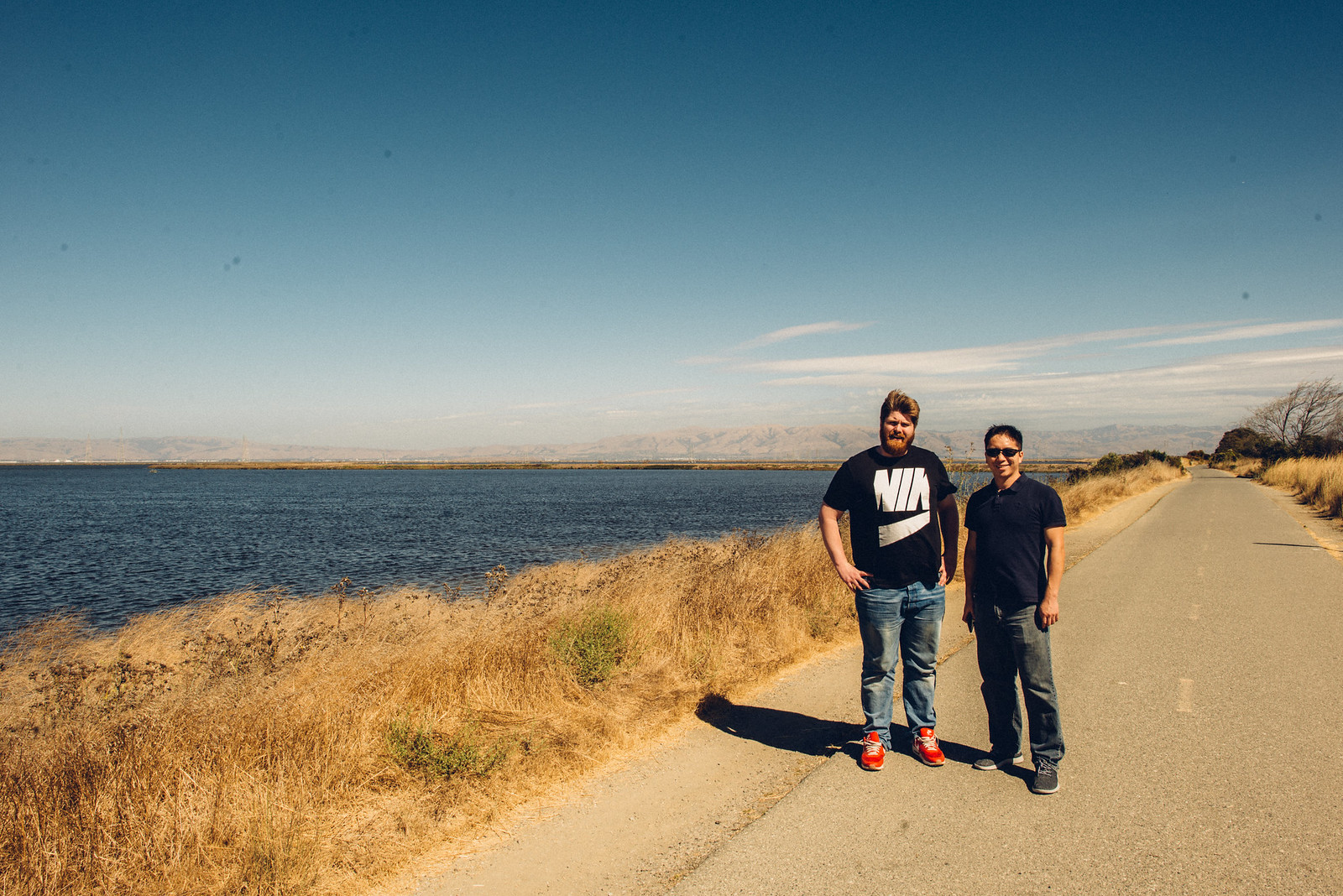
Joe and Rudy posing next to the water reservoirs at Shoreline Park.

After our visit to the Computer History Museum, we grabbed some lunch and then did a quick hike over at Shoreline Park. I didn’t realize all of this was so near. The scenery was gorgeous, and it was nice to get a little sunshine and talk about tech.

DSC_3091

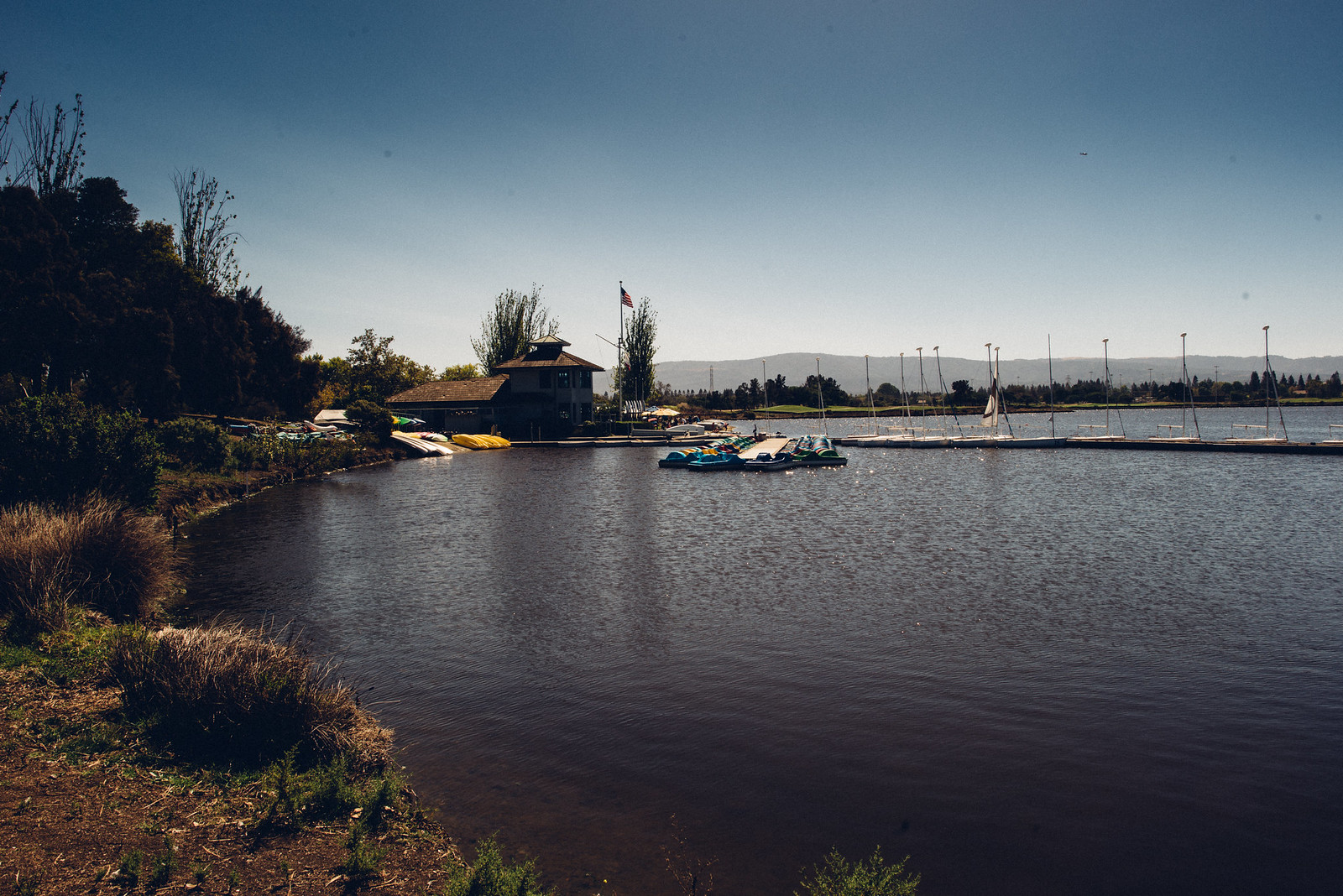
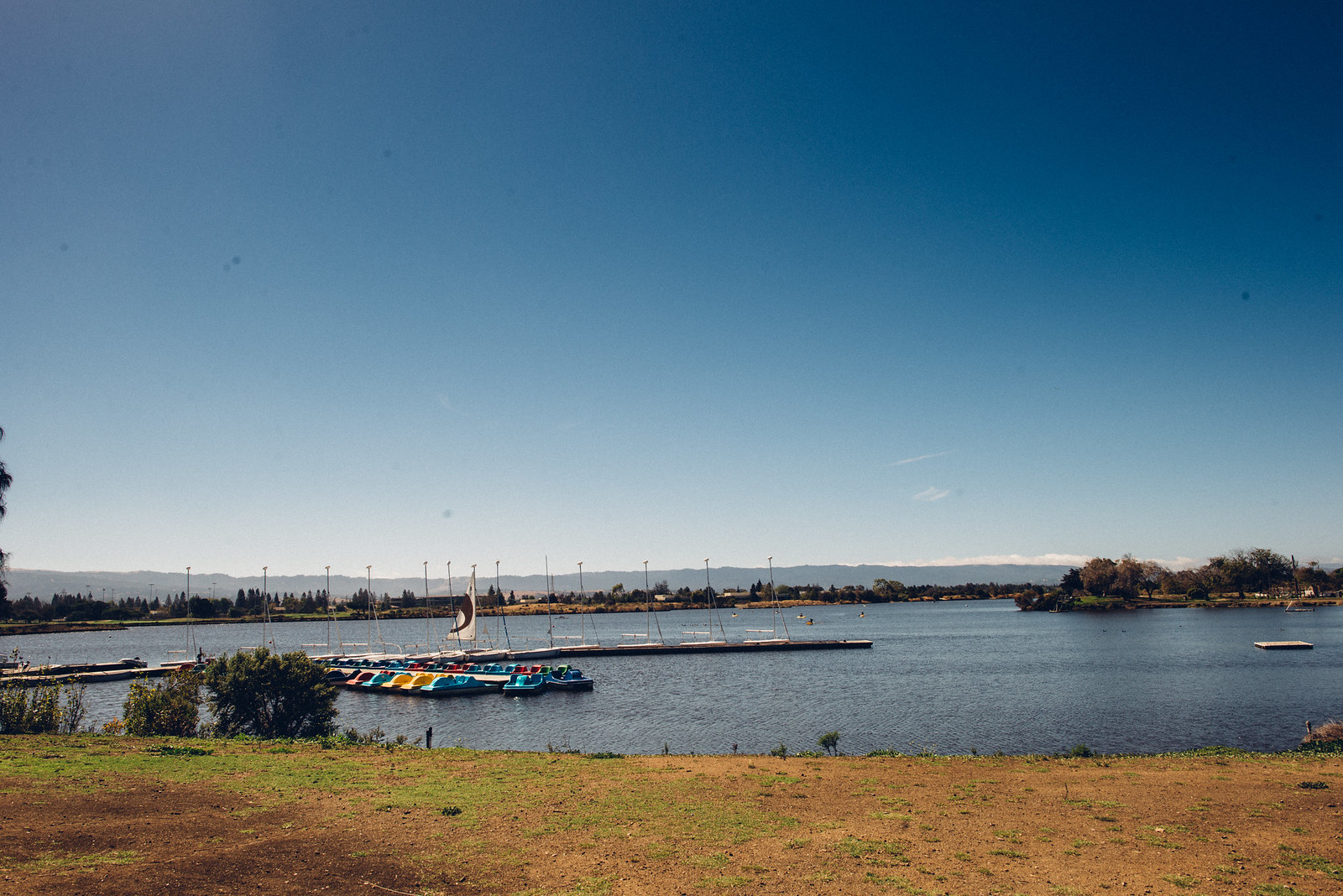
A view of the lake with the mountains in the background.

DSC_3092

A restaurant/bar next to the dock on the left.

The city of Mountain View bought the site in 1968 to build a recreational facility, but the cost of importing earth to raise it by 20 feet in order to prevent flooding was too high, so it was instead operated as a landfill accepting garbage from San Francisco. Shoreline Park opened in 1983, with some initial problems from methane fires. –Wikipedia

DSC_3094

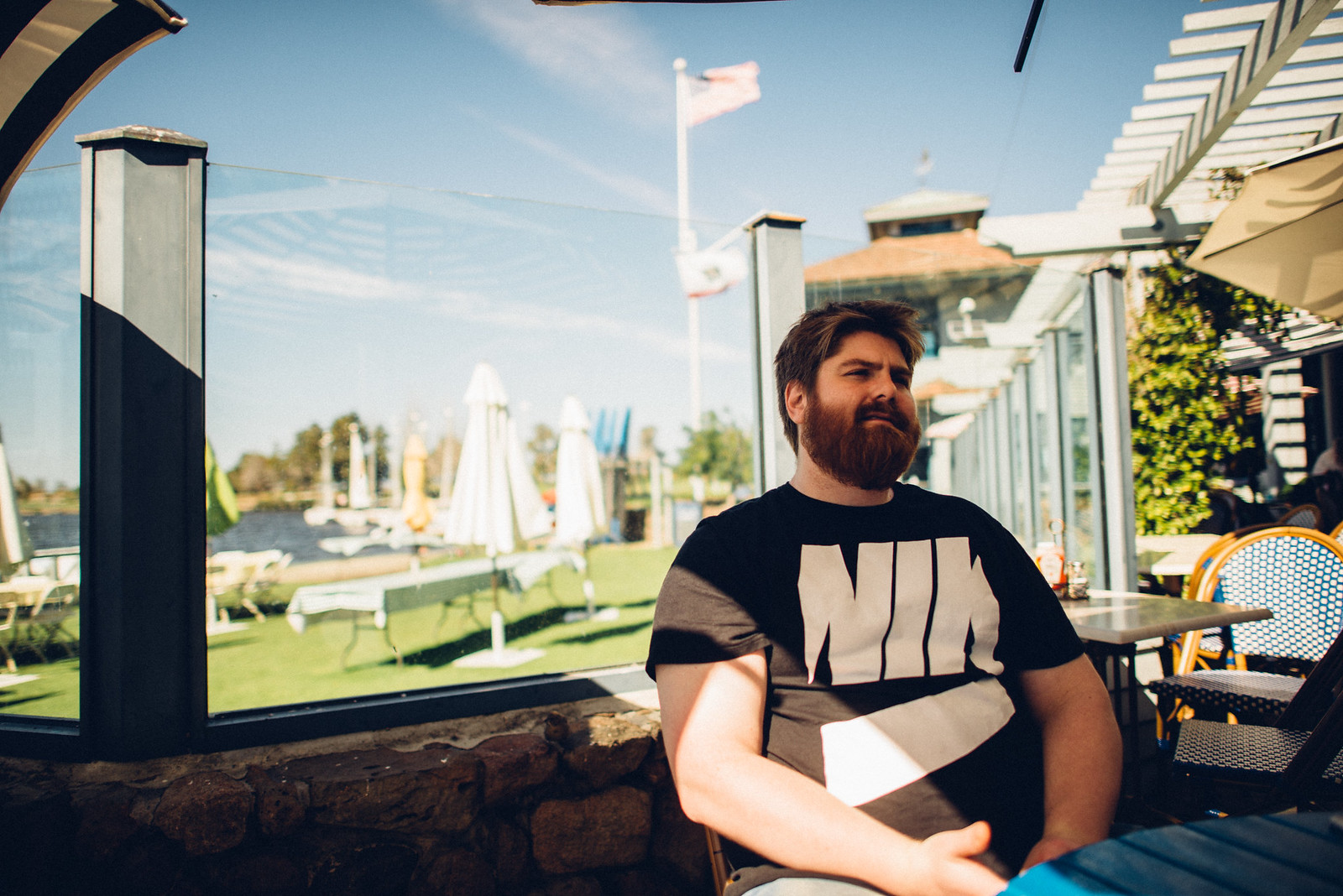
Rudy and Joe enjoying the view, with a slight breeze against their backs

Rudy mentioned about the landfill underneath the landscaping… and yes, there was a distinct hit of “fart” smell all around us. Other than that, it’s a lovely place.

DSC_3098

After our short hike, Joe shares ideas about the future while sipping on his drink in the shade.

I’ll probably be out here again. Days like this make me wish I had a car or motorcycle so I could explore a little more.

The Computer History Museum

DSC_3038

Continuing our quest to find more inspiration, our team went to the Computer History Museum this afternoon. Let me first start off by saying that this was an incredible experience, and I highly recommend that you go with a group of engineers. It was pretty fun watching Joe and Rudy geeking out over all the hardware and the history. I have to admit, it was eye opening and the museum gave me much more context on how and why our technology exists.
DSC_2999

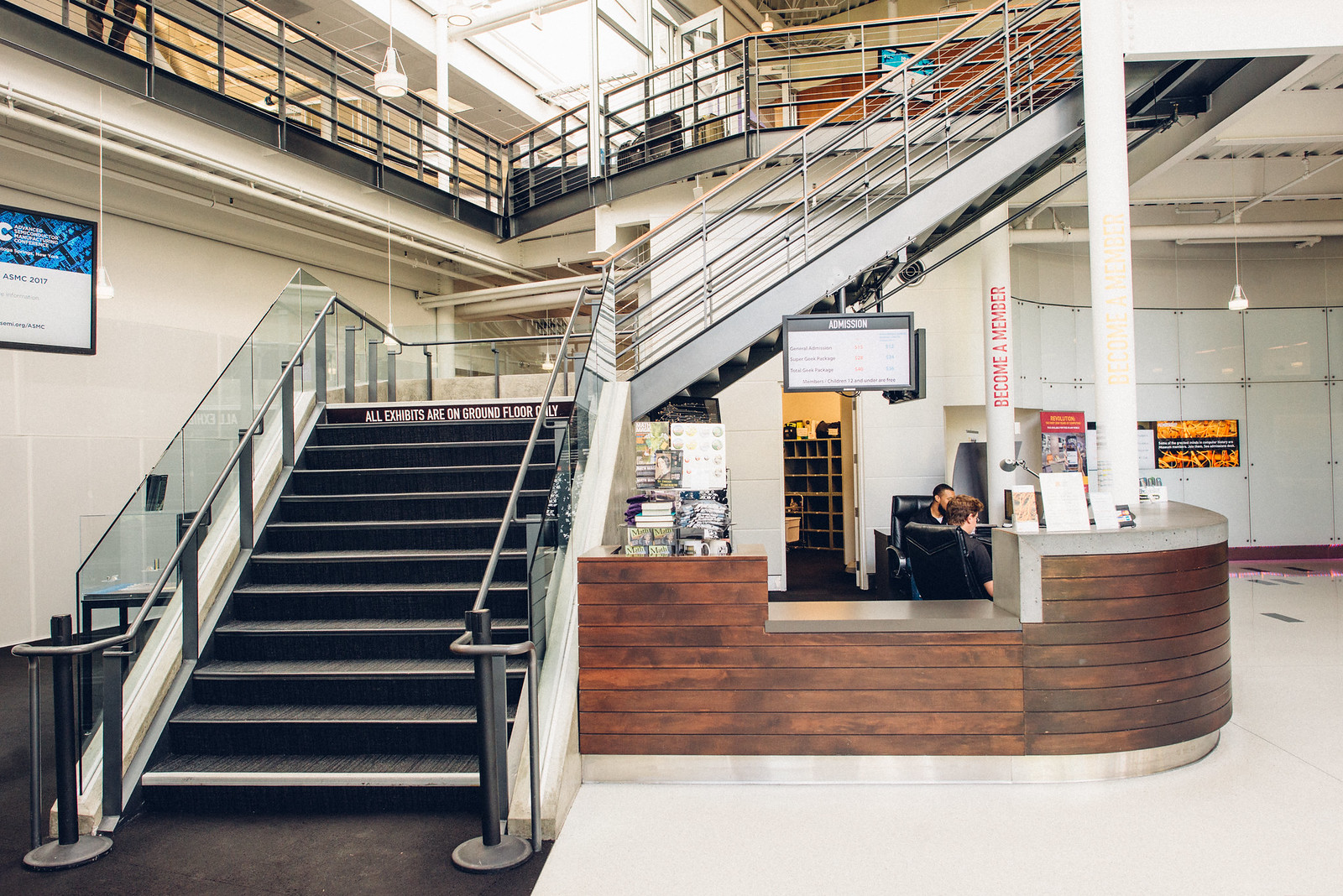
The museum wasn’t an architectural marvel (compared to MOMA SF), but it had so much substance.
DSC_3000

The information is pretty dense, so expect to carve out at least 2-3 hours to go through everything.
DSC_3001

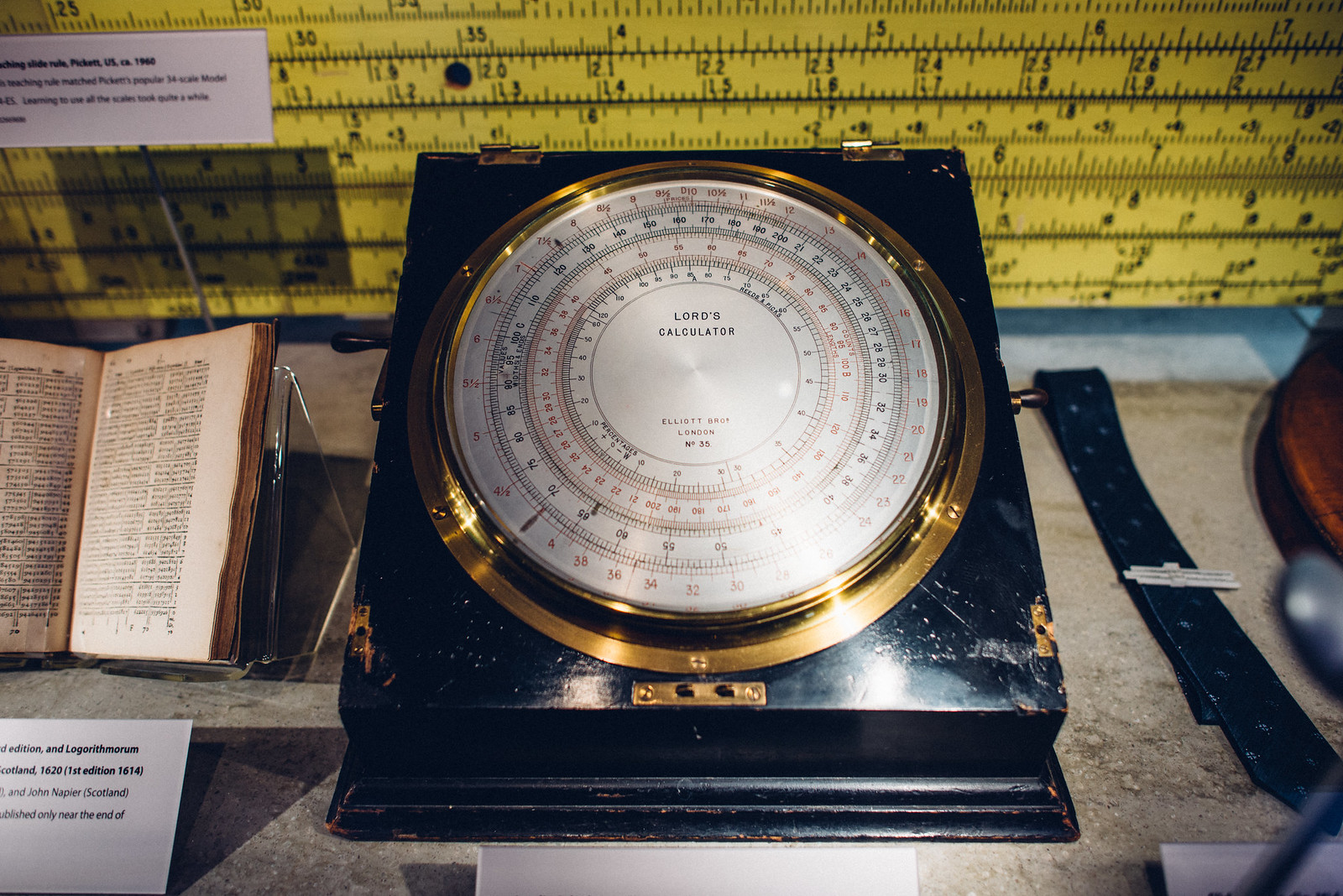
To be honest, you could probably spend even more time here if you really wanted to dive deeper. There’s a lot to absorb.
DSC_3002

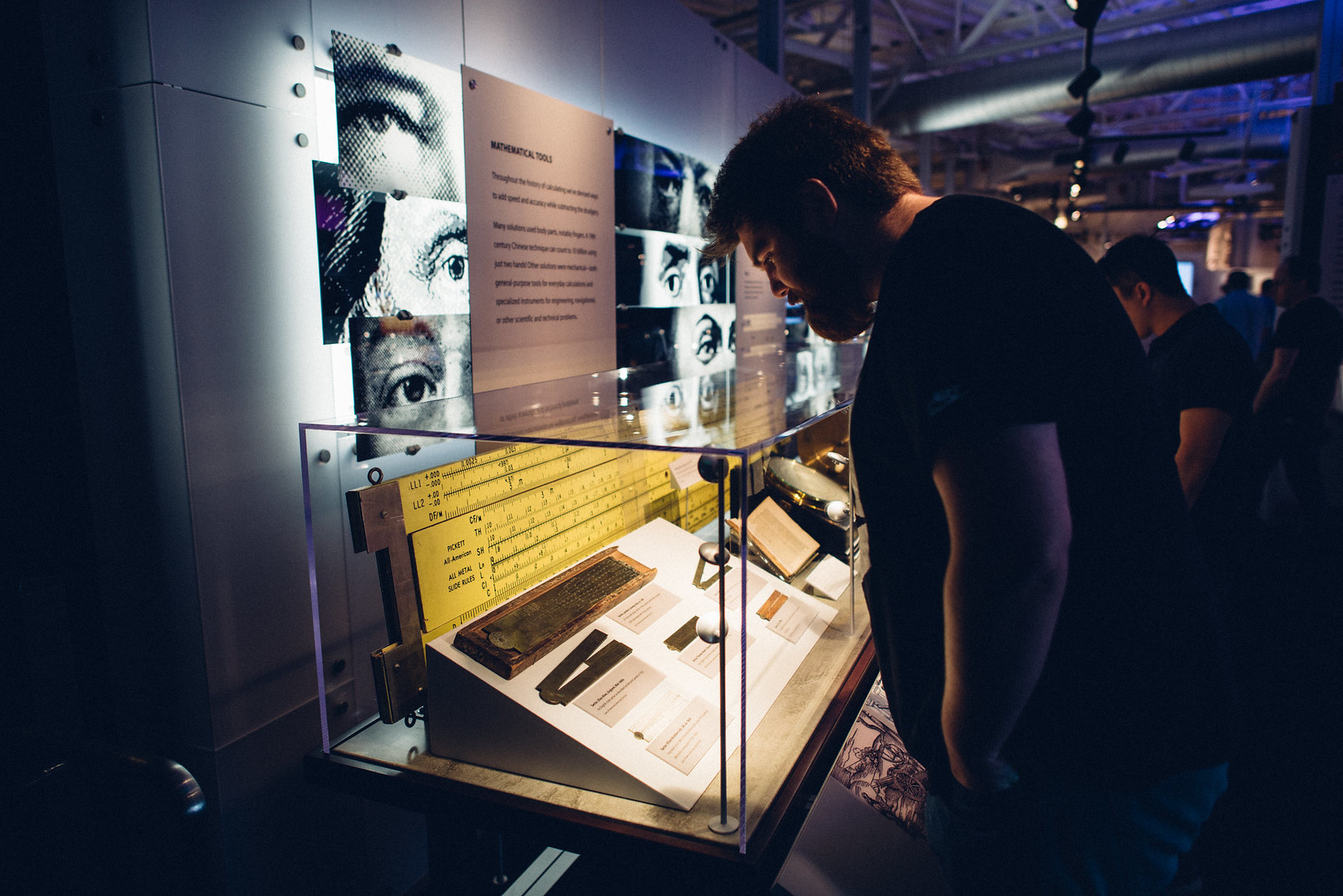
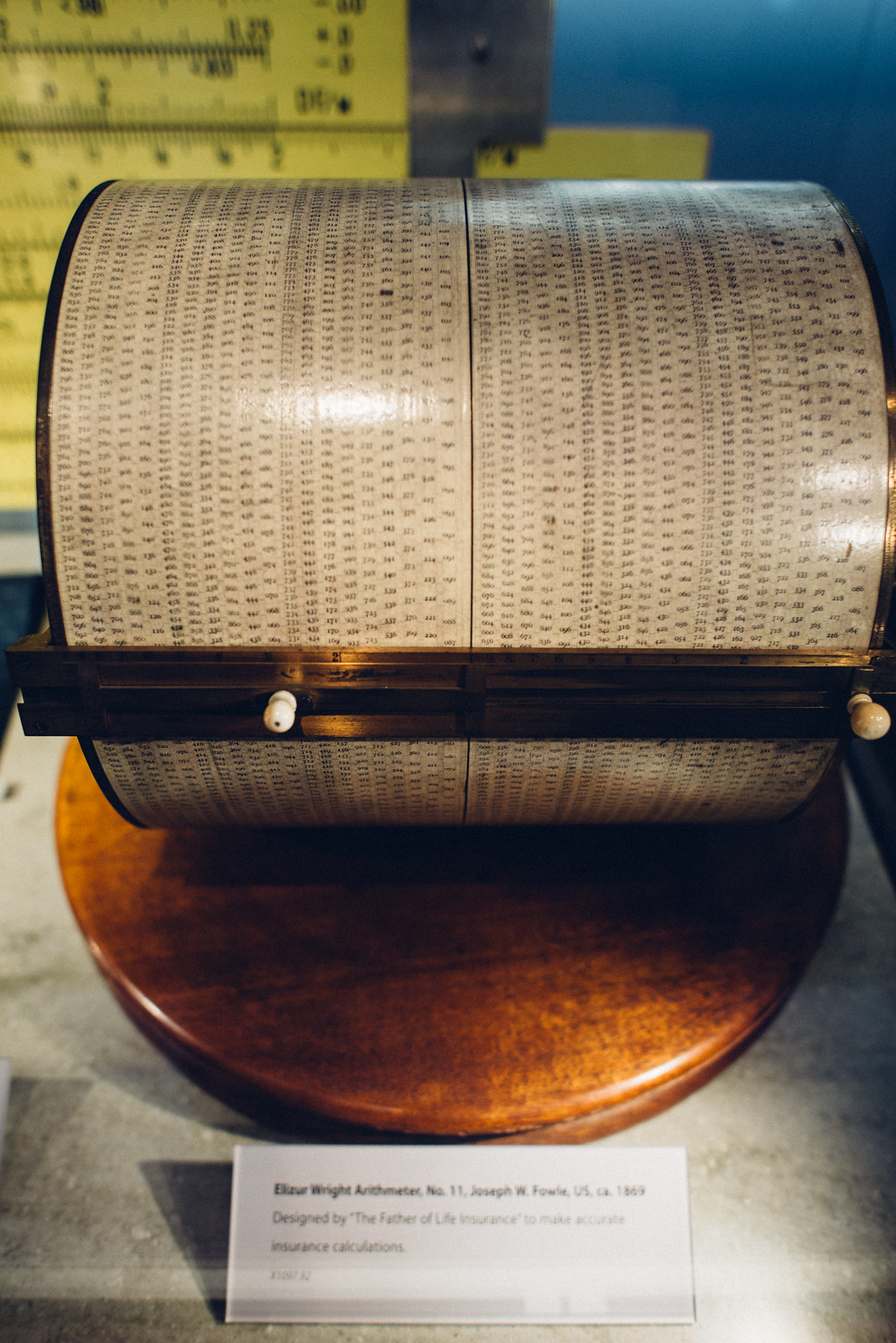
What you’re seeing are the early calculators. Everything was manually driven, and they were used to help aid people do math. In this particular case, this device was used to perform insurance calculations.
DSC_3003

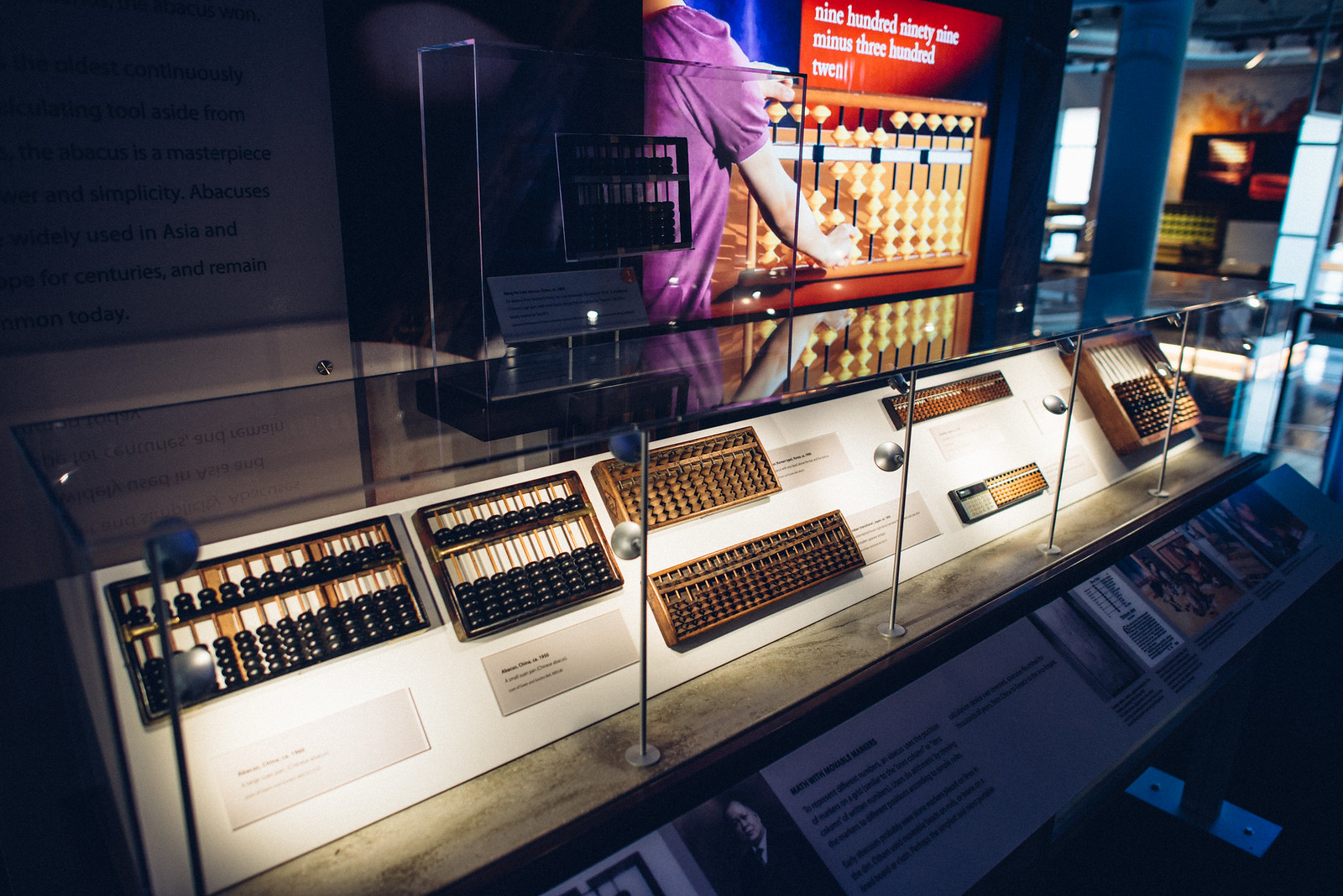
Man, I remember my mom using the abacus when I was a kid.
DSC_3004

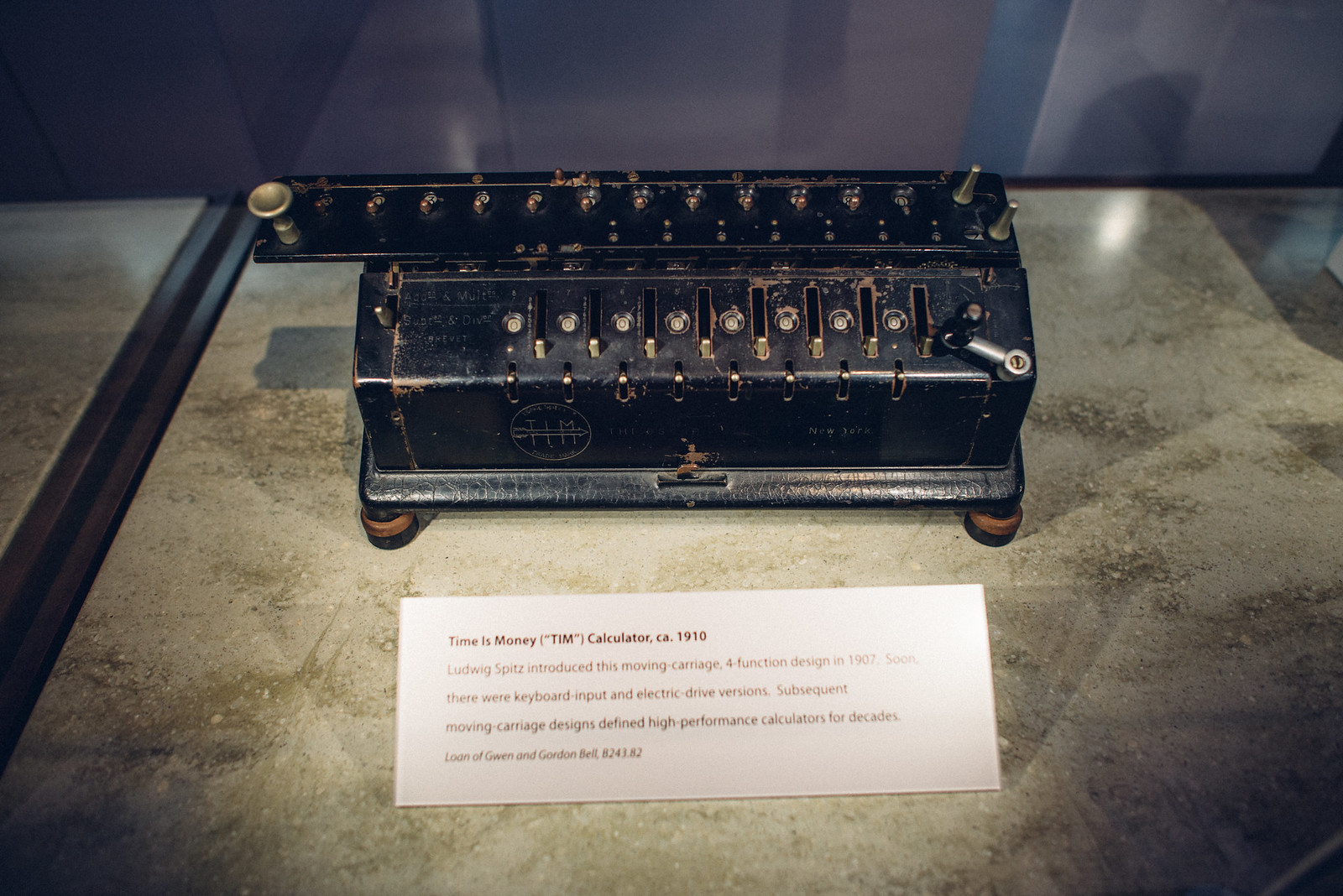
Some of these machines seem so alien. This one was called “Tim”, otherwise as the Time is Money Calculator from 1910.
DSC_3005

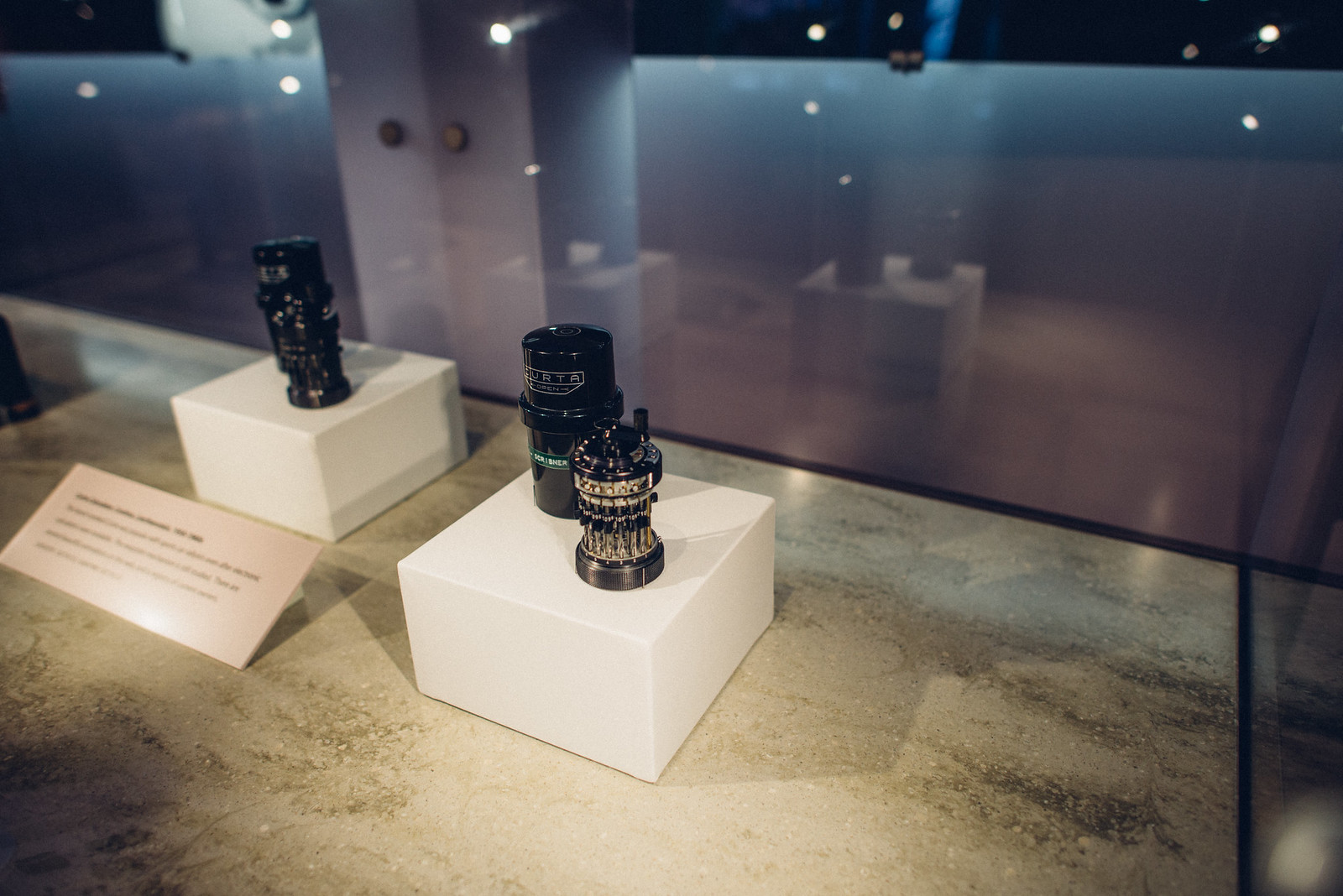
These were smaller, portable calculators. you had to crank them, and they would help you perform calculations on the fly. People would try to take them apart to see how they work, and could never put them back together. There were over 600 parts in each one, all intricately connected together.
DSC_3007

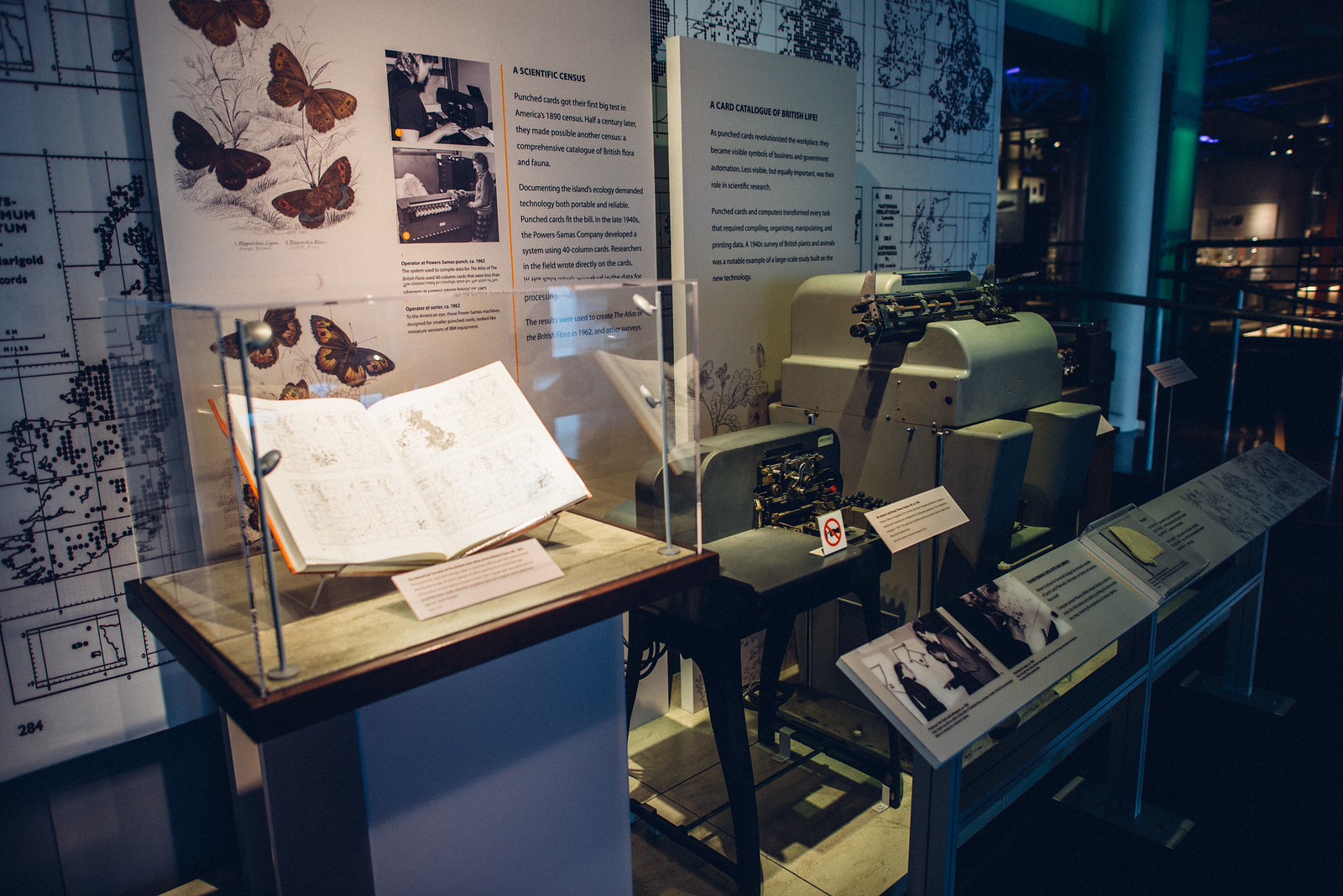
The calculators continued to evolve, so did automation.
DSC_3008

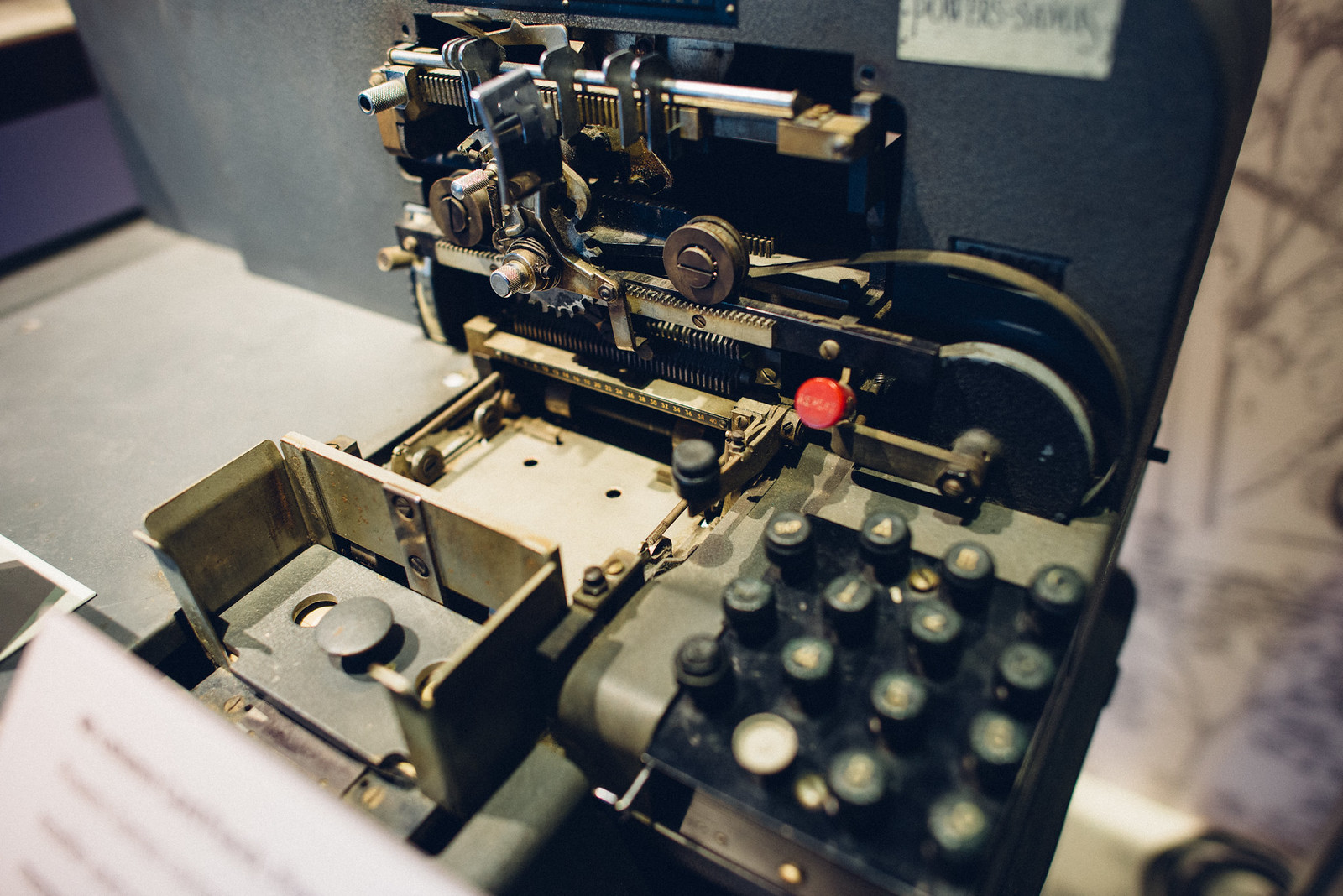
Most of the early computers was used to track time and calculate compensation for workers.
DSC_3010

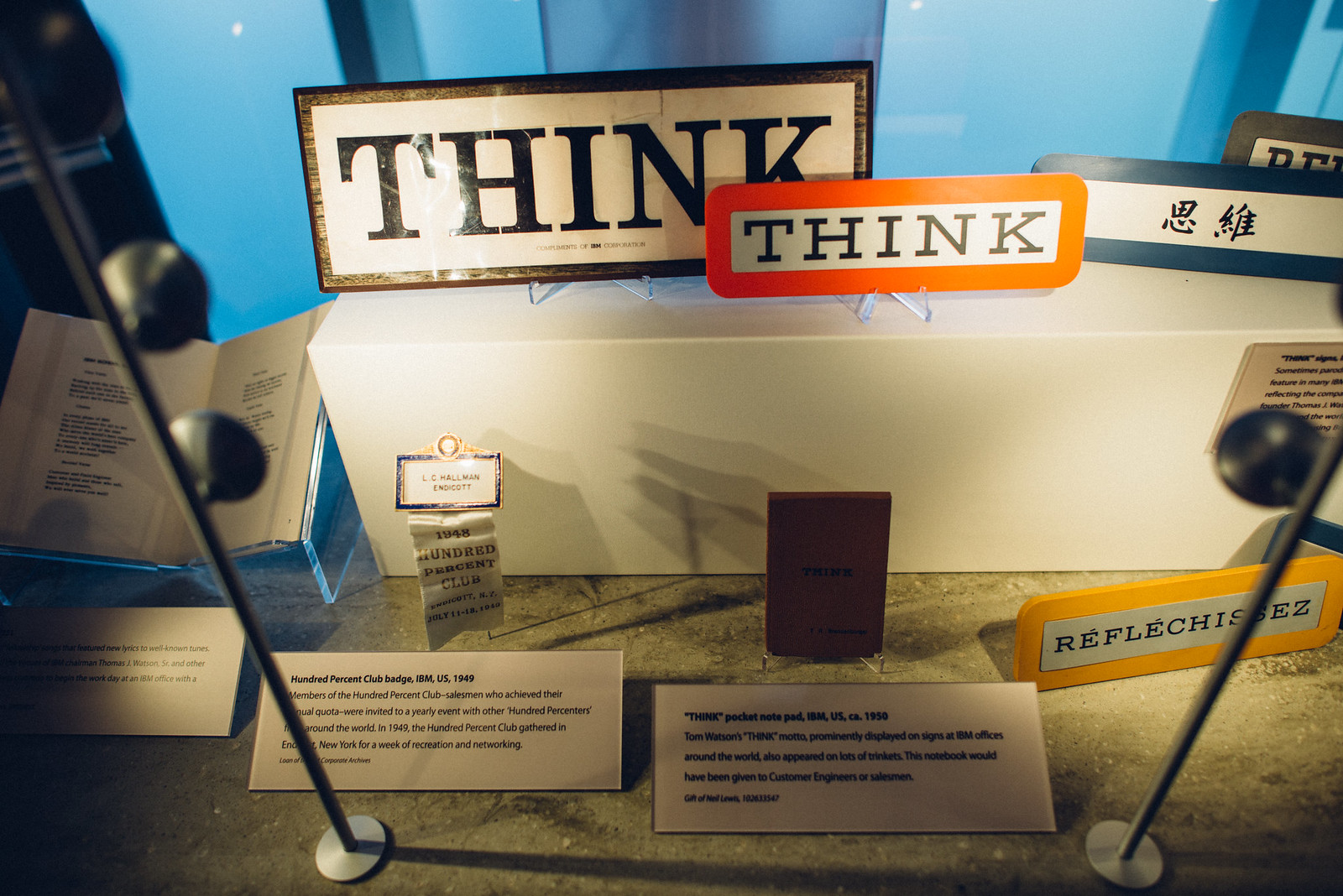
The founder of IBM’s motto was “Think”. Kind of interesting and somewhat motivating. Everyone should have this as a poster somewhere.
DSC_3011

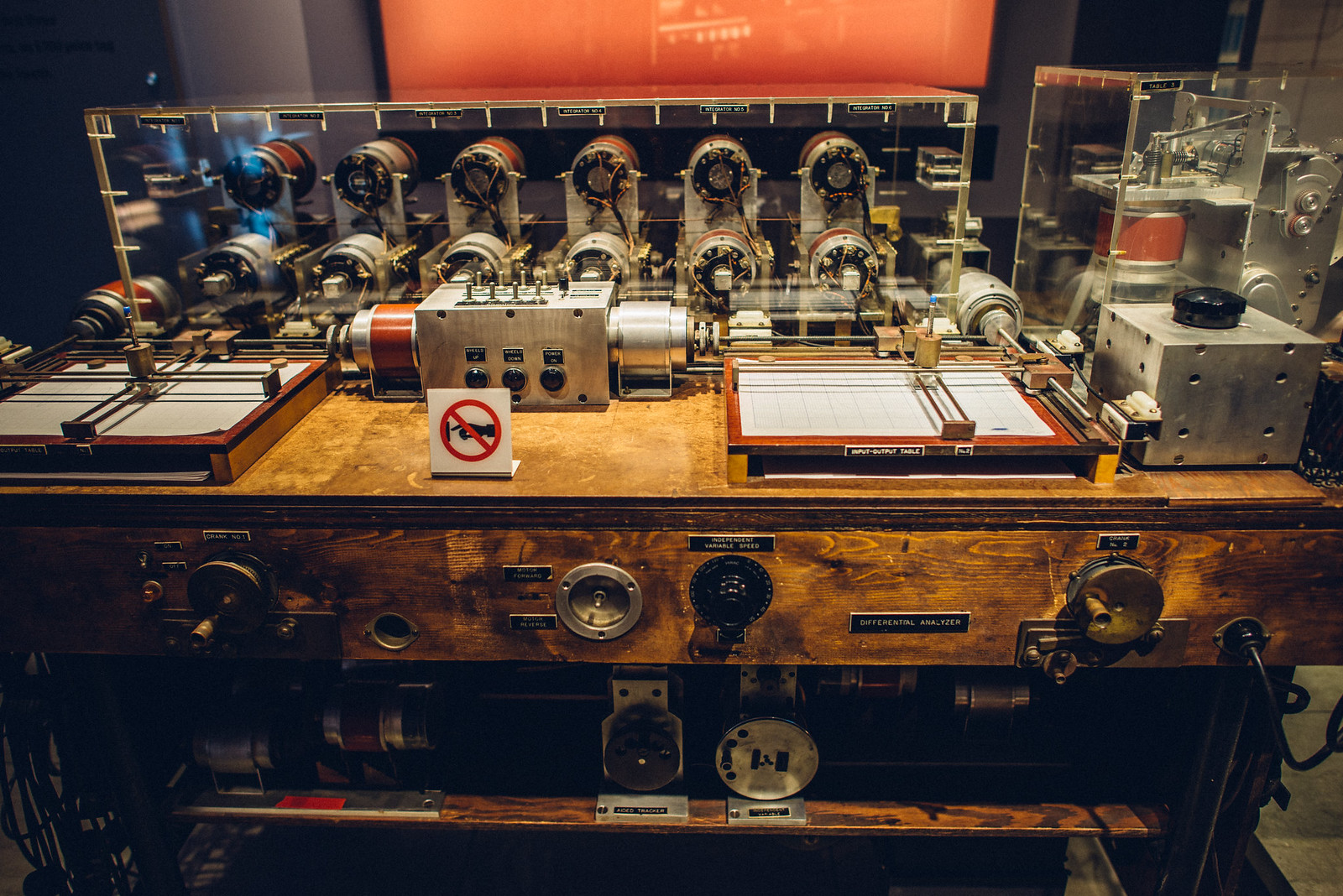
Joe described this as the birth of our first monitors. This machine would literally draw mathematical formulas on graph paper.
DSC_3012

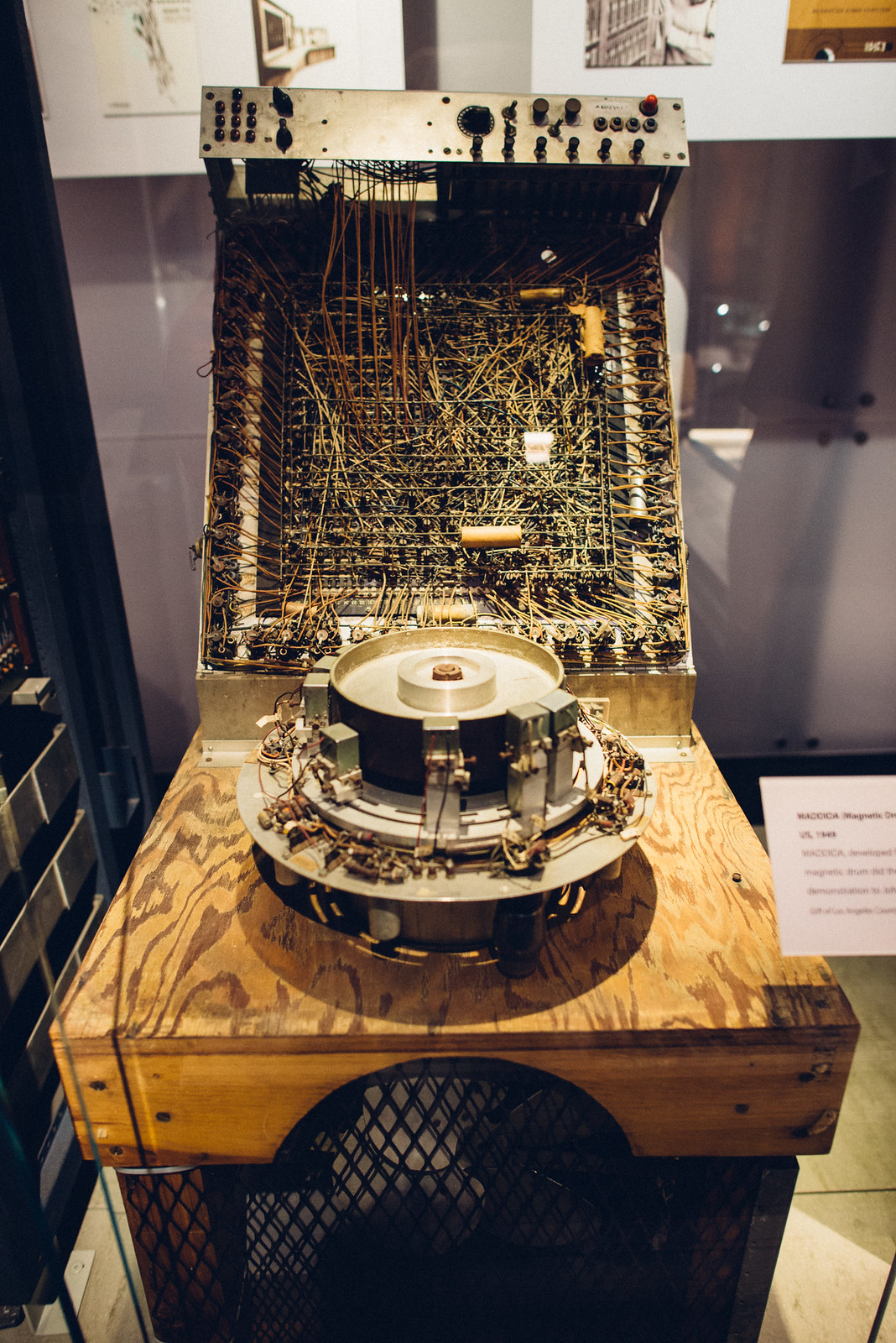
And as crude as this looks, this was the beginning of circuitry. Everything was manually connected, and cooled with some sort of industrial fan. Could you imagine trying to debug something?
DSC_3013

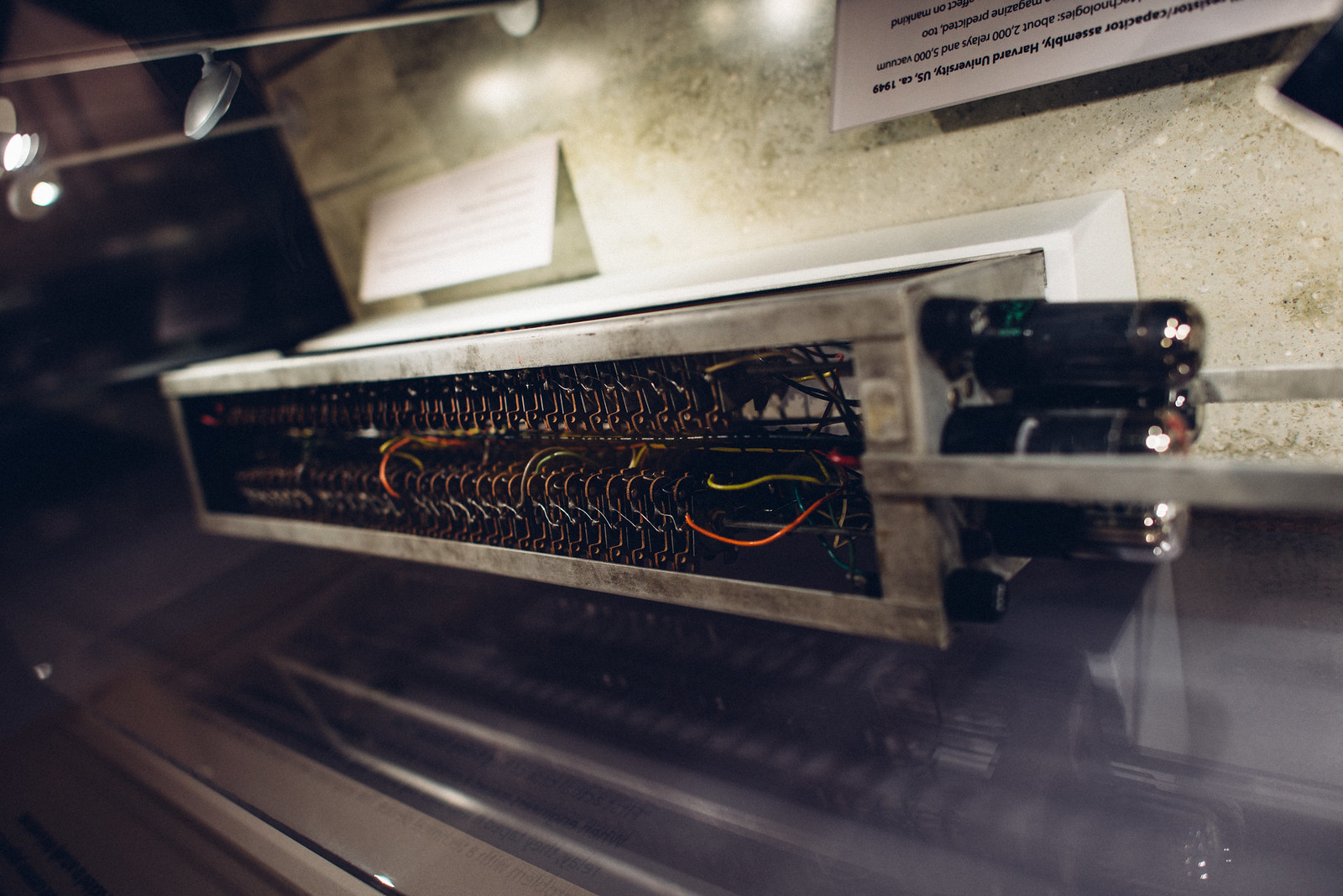
As much as we love today’s technology, we owe most of the innovation to the military. Early on, technology was used to model ballistics. And yeh, technology has a dark history when you start looking at how it’s been used.
DSC_3014

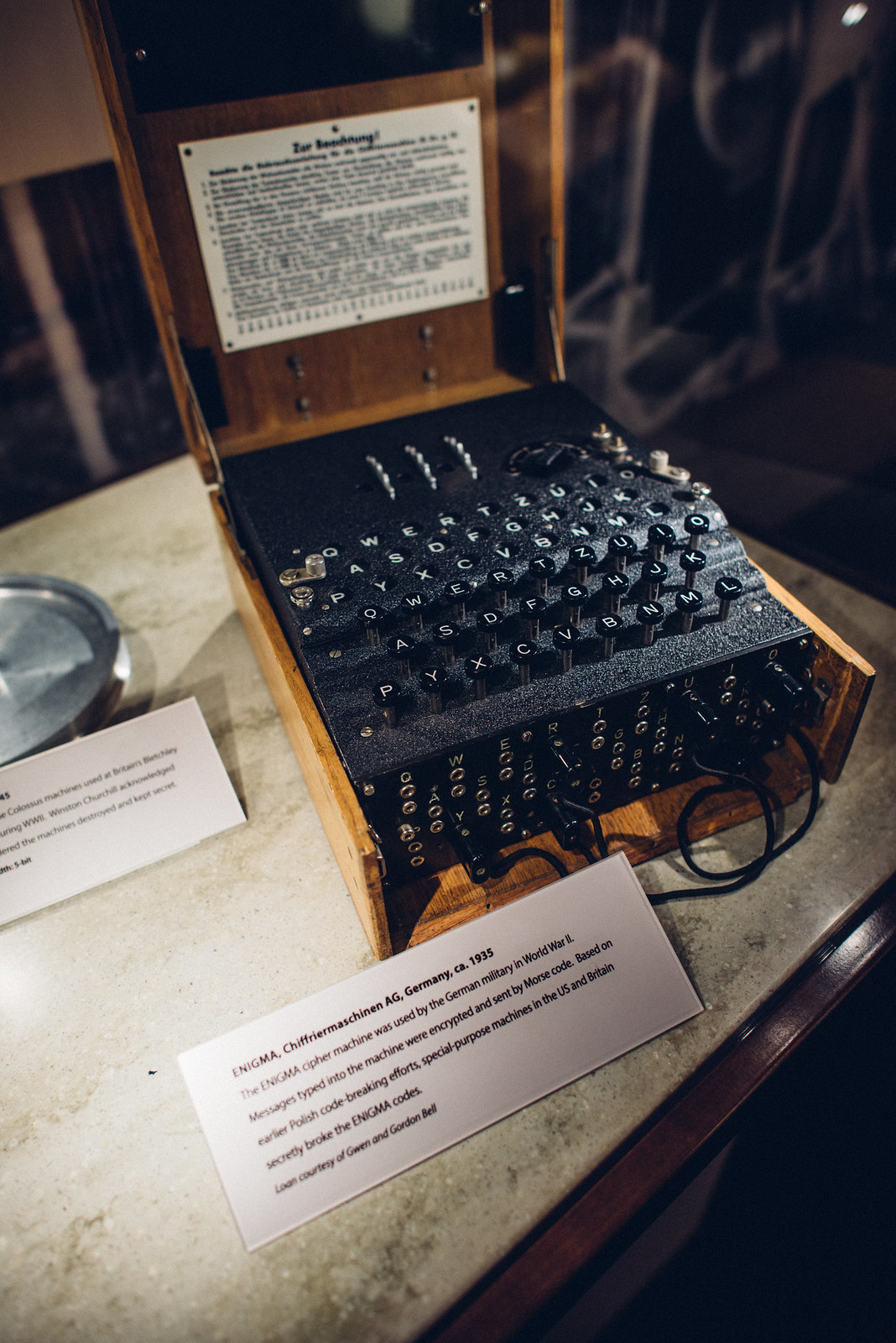
This was the ENIGMA, a machine that encrypted messages for the Nazis. Apparently, it was taken from a German submarine and was later decoded by Alan Turning. By cracking the intercepted codes, the world was able to defeat the Nazis.

The sad thing was that Turing was prosecuted for homosexual acts and was chemically castrated. Two years later, he committed suicide. A mathematical genius that saved the world was brutally punished for being gay.
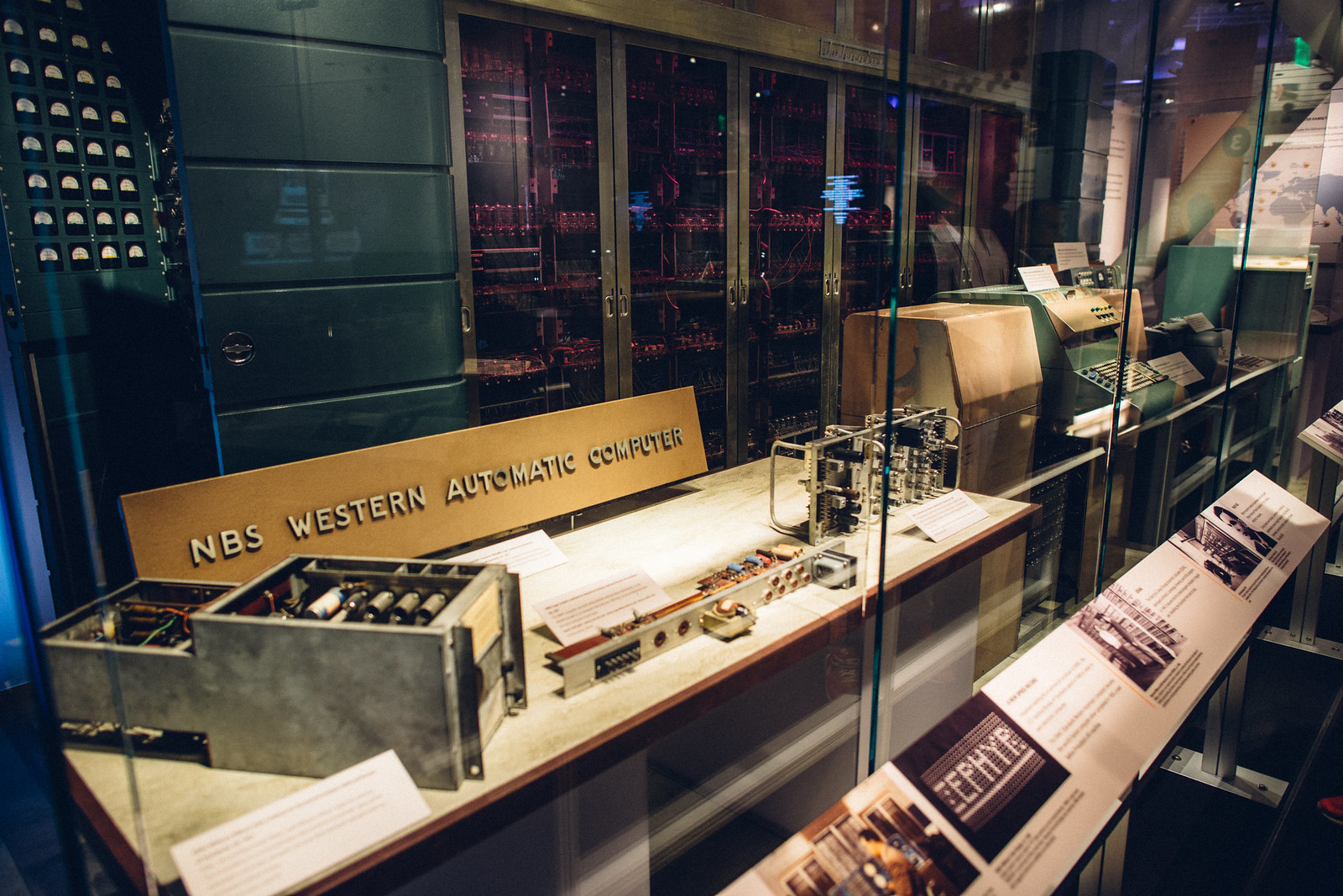
DSC_3015

Computers used to be the size of rooms. You’d think that this was a giant data center, but it’s just an early computer.
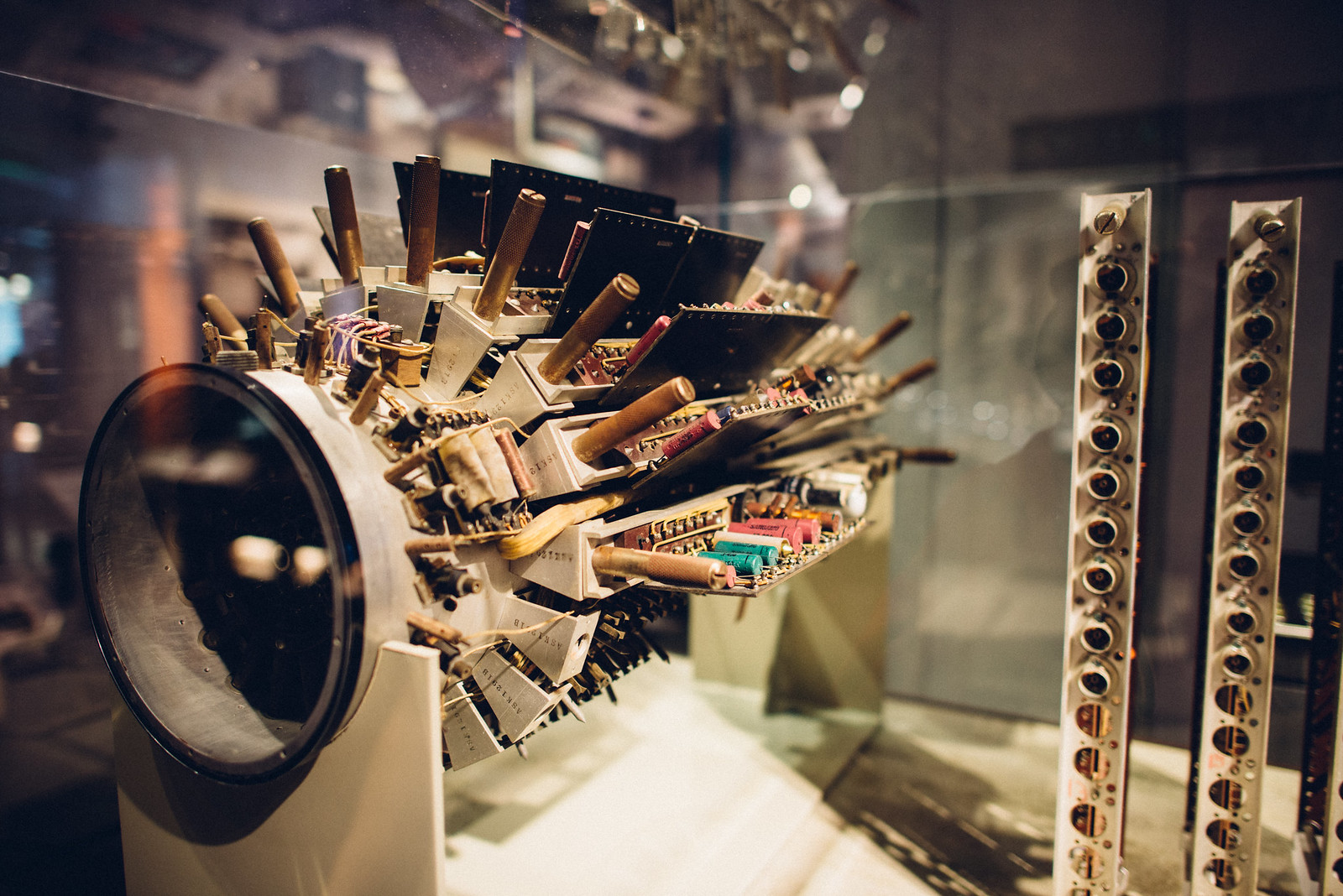
DSC_3018

Some of this stuff is just so amazing to look at. As time progressed, circuitry design became more sophisticated. Who else thinks this is art?
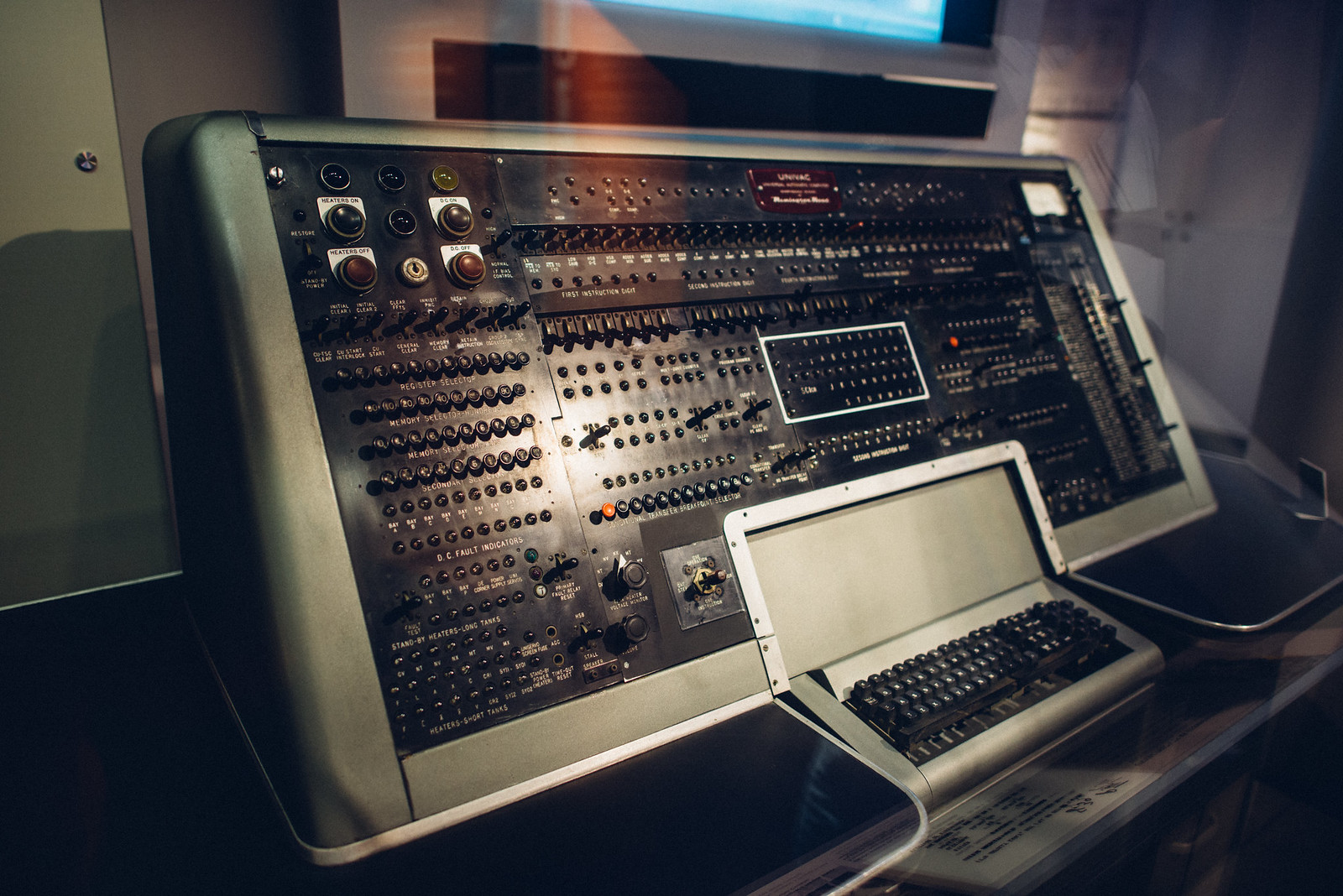
DSC_3019

Look at all those buttons. Who wouldn’t want to play with that?
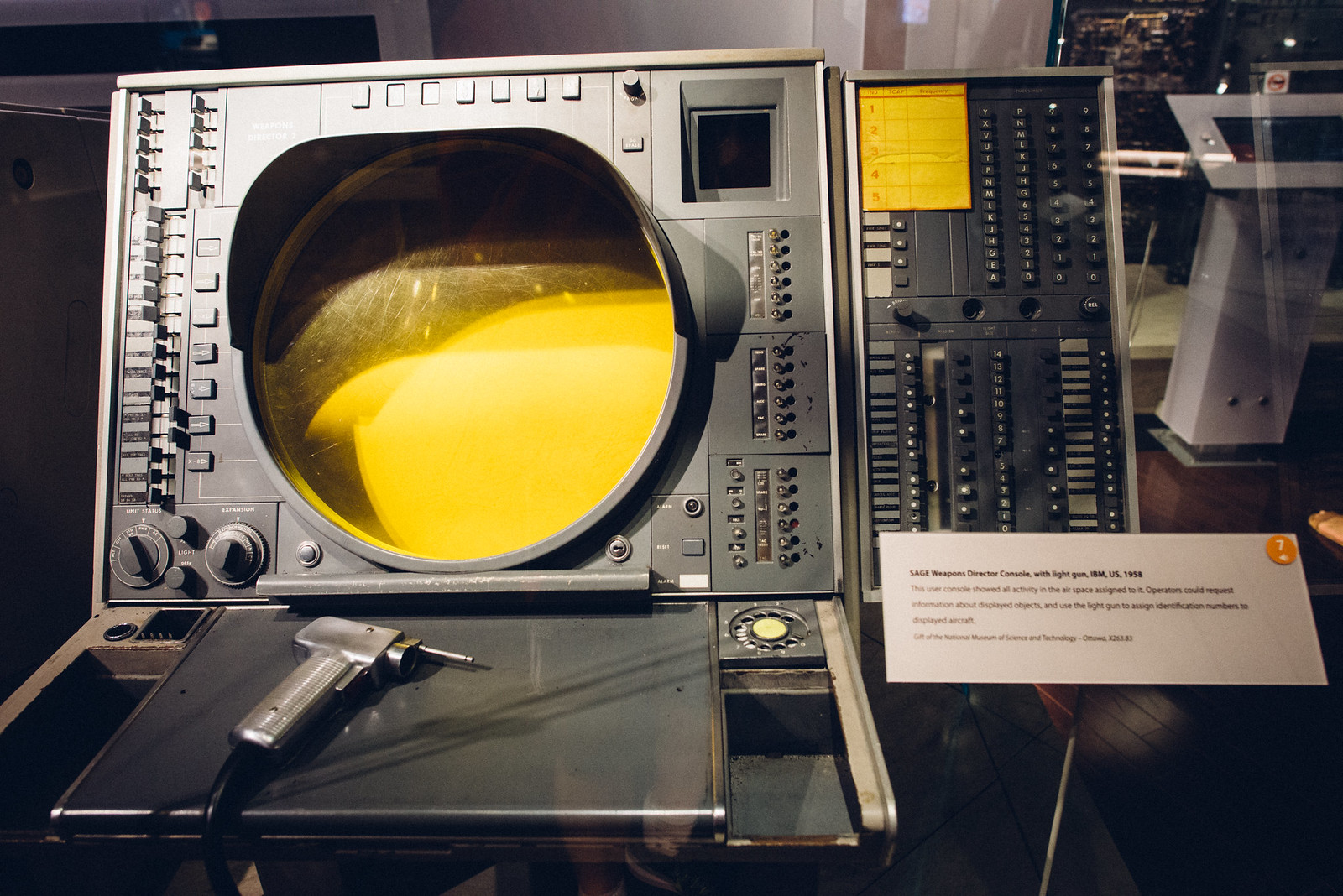
DSC_3023

The earliest machine that visually tagged things.
DSC_3024

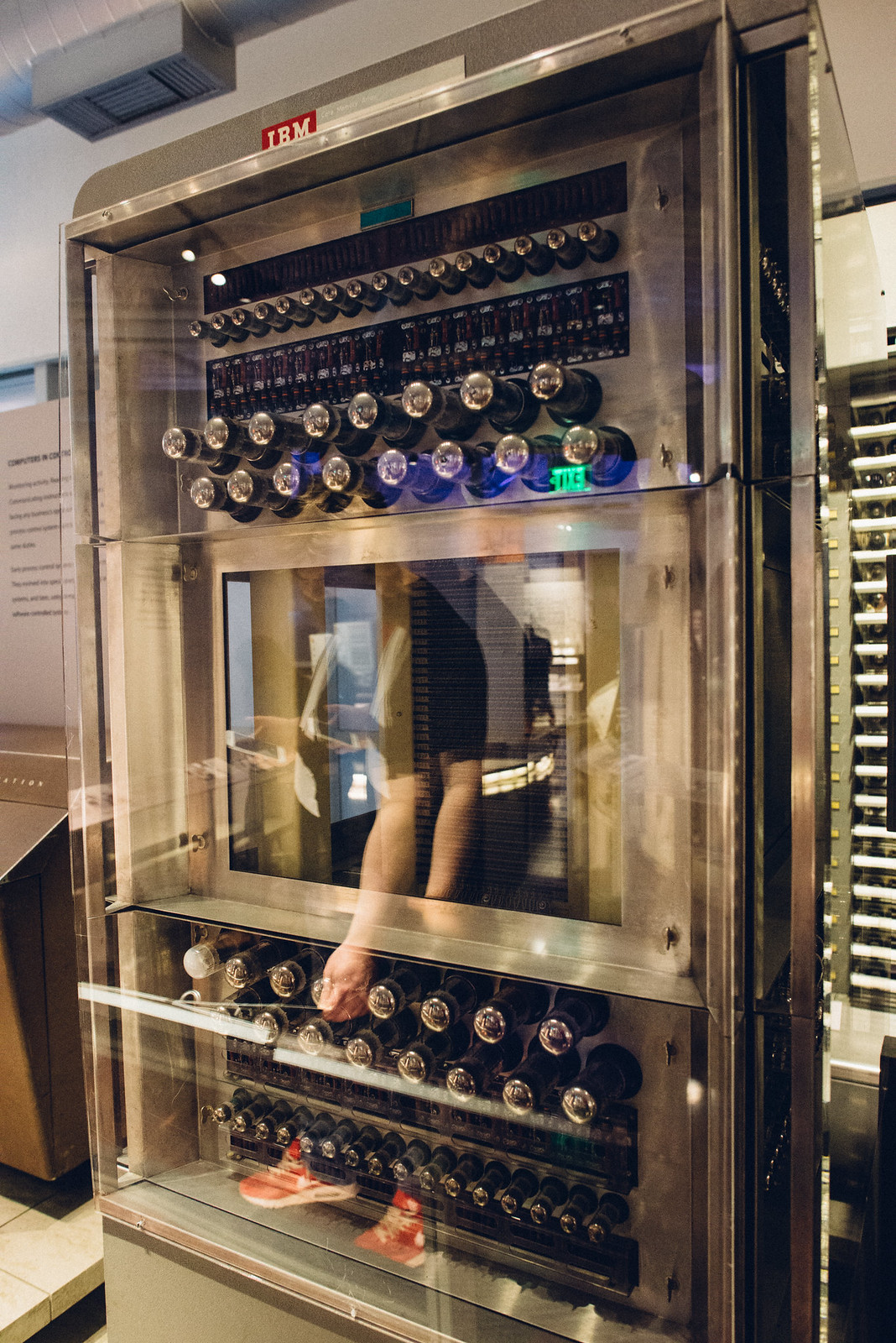
It’s crazy that everything was controlled using tubes. The designs are hypnotic.
DSC_3027

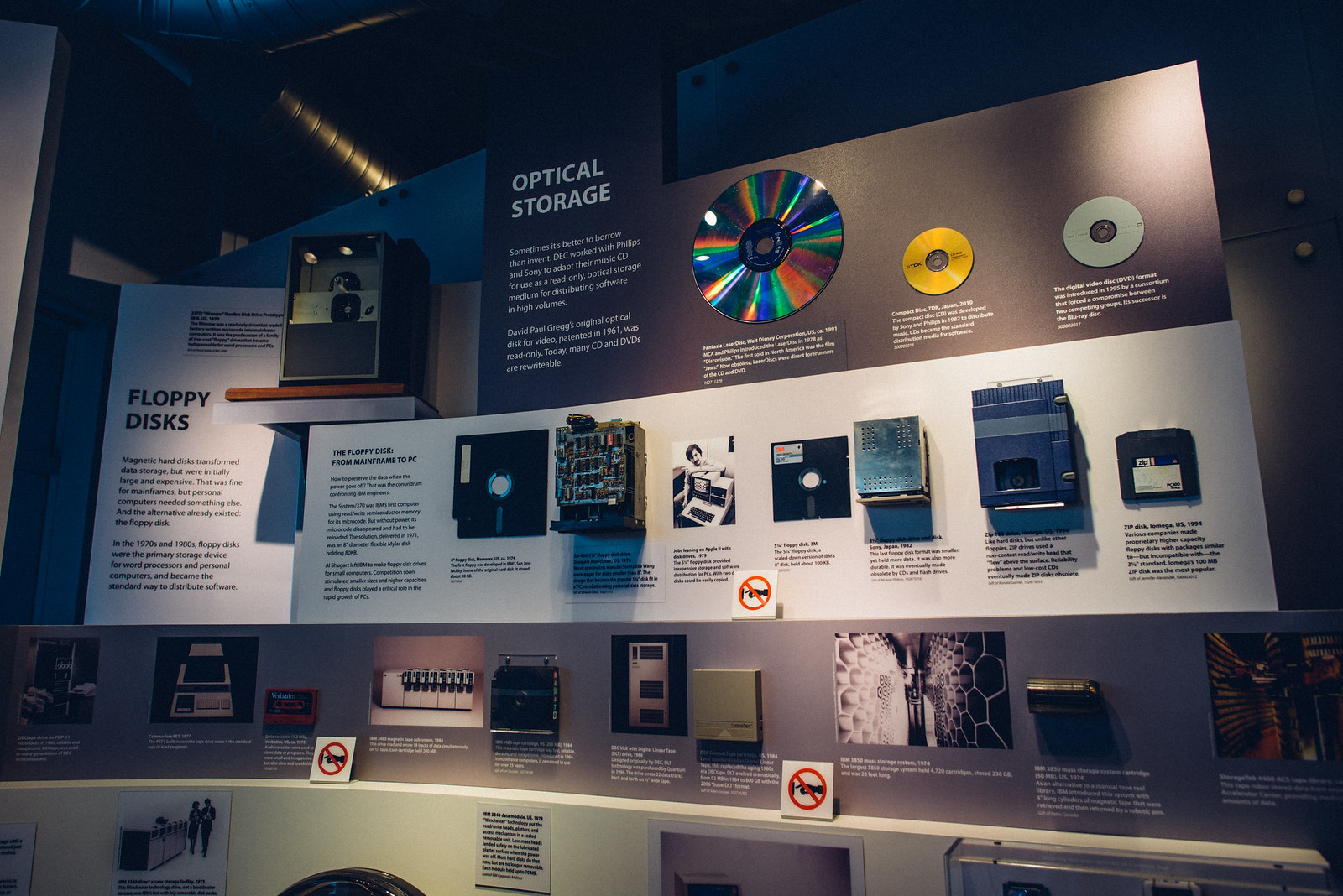
This was a particularly fun part of the exhibit—data storage. It’s funny that CDs are now obsolete.
DSC_3030

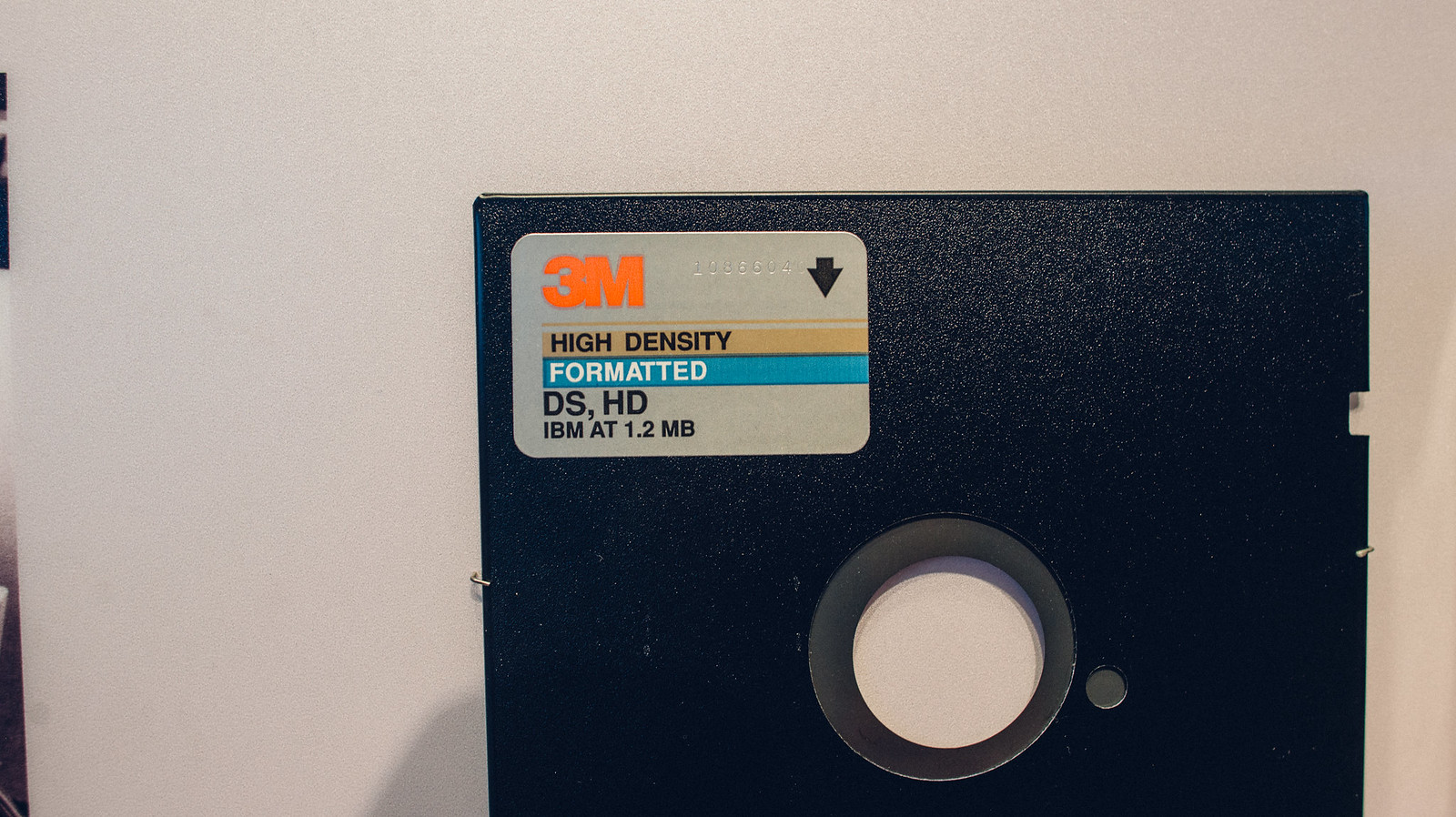
Seriously, do you guys remember hi-density, double sided floppy drives? It’s f’n insane how far we’ve come. I’ll just give you a minute to soak this in. This disk was a scaled-down version of IBM’s 8″ disk, and held 1.2 MB.

1.2 MB!!!
DSC_3032

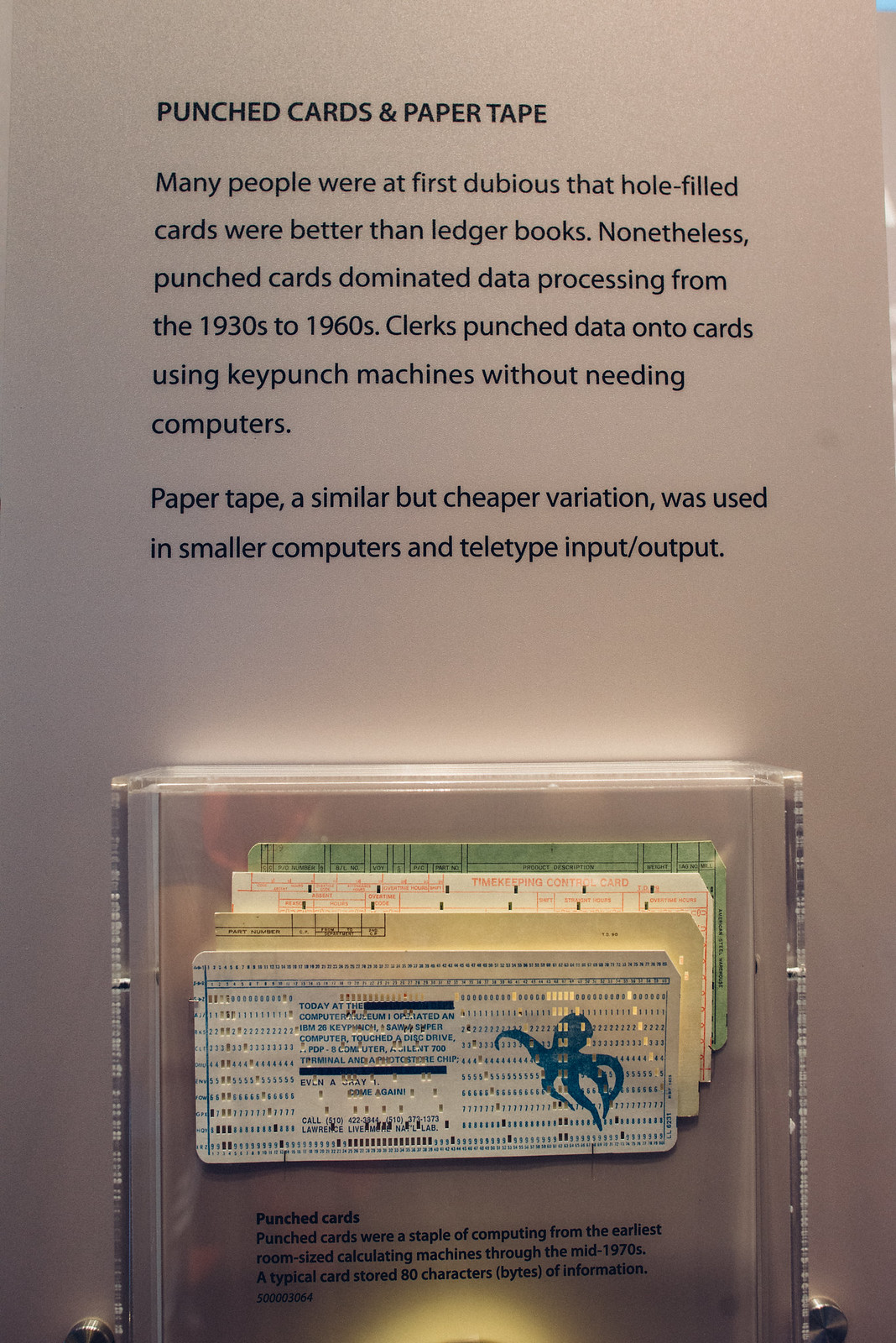
In contrast, the earliest forms of storage were punch cards and paper tape.
DSC_3033

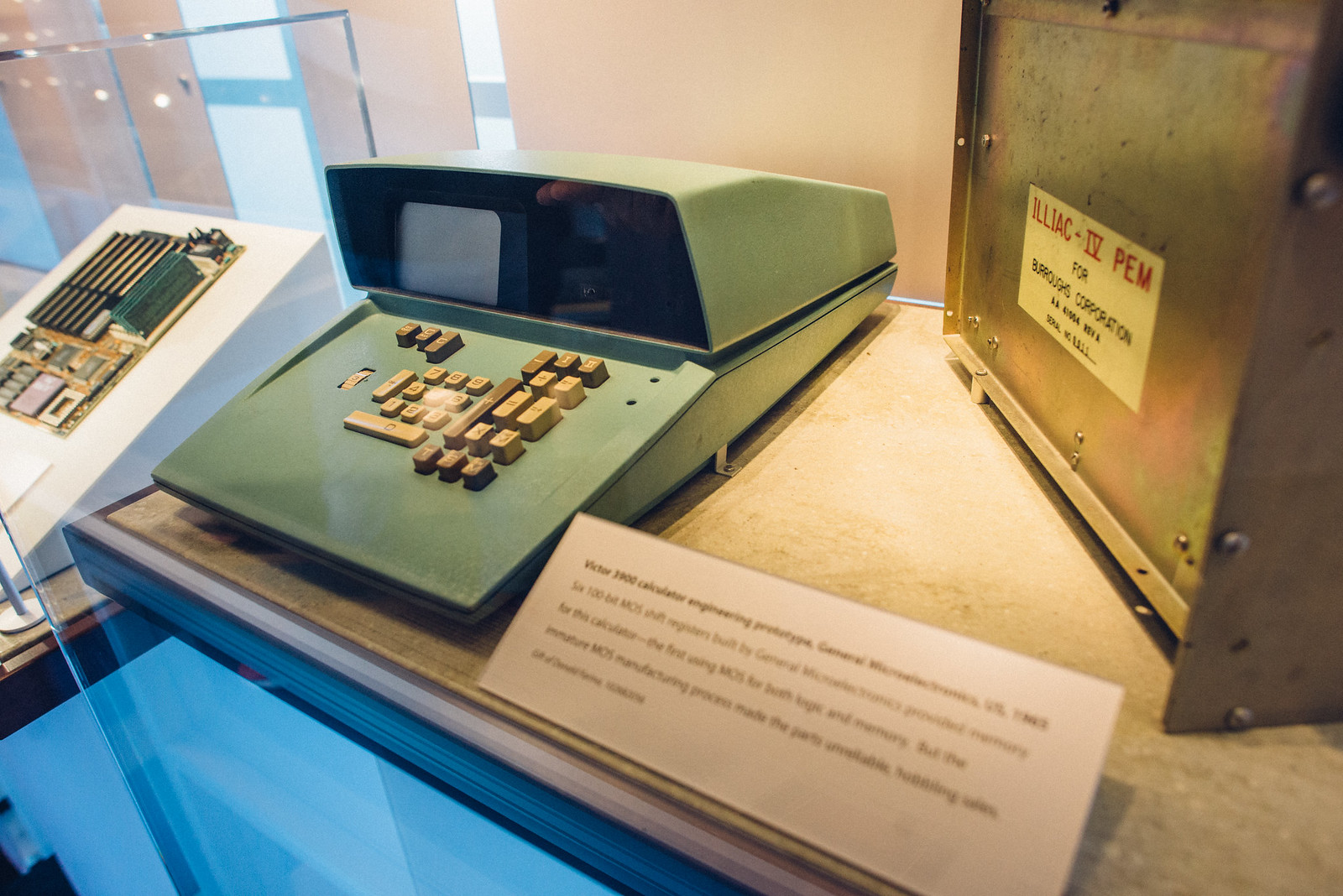
Yes, that green thing was a state-of-the-art calculator.
DSC_3037

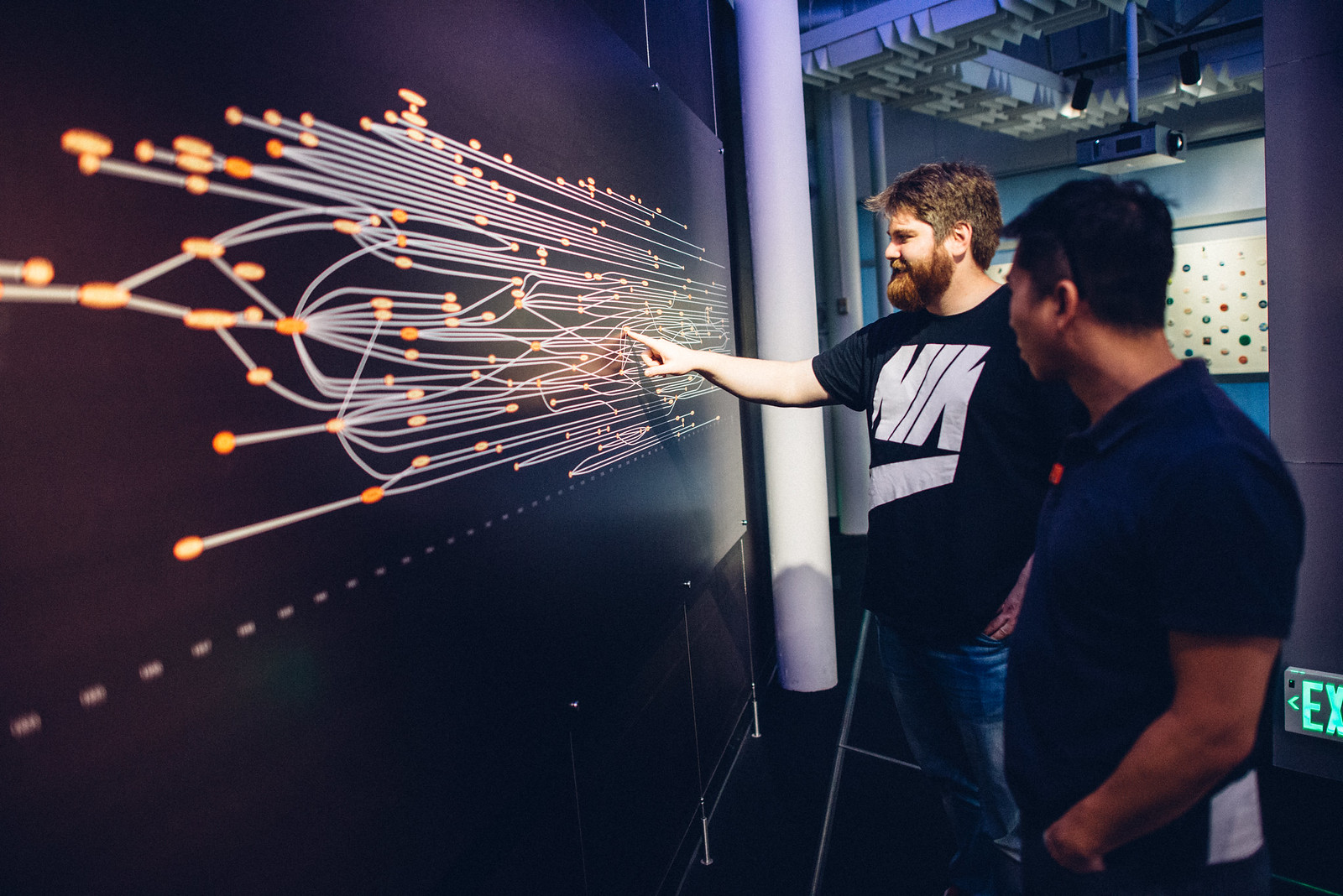
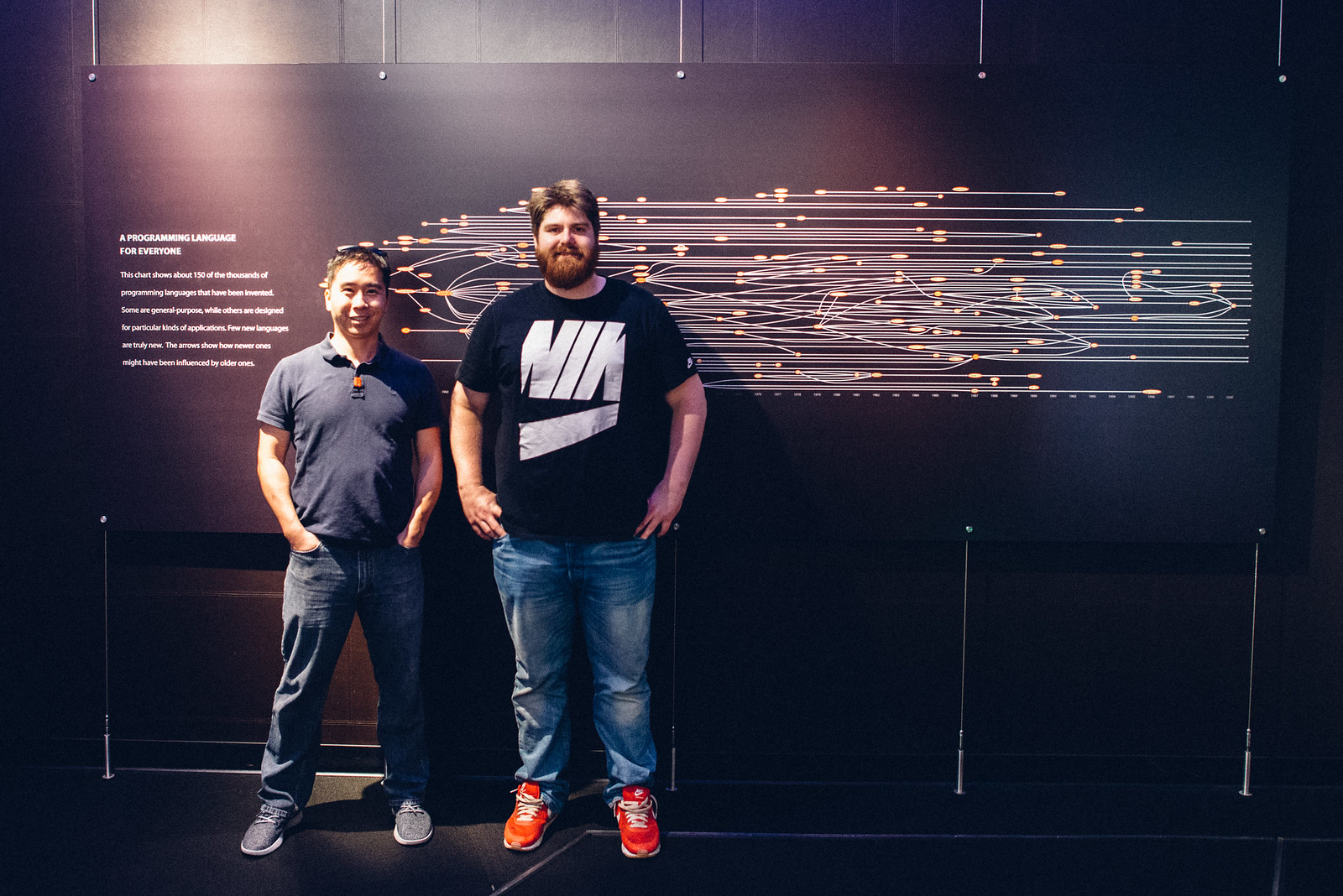
This is a visualization of how programming languages evolved. It shows about 150 of the thousands of languages that have been invented.
DSC_3045

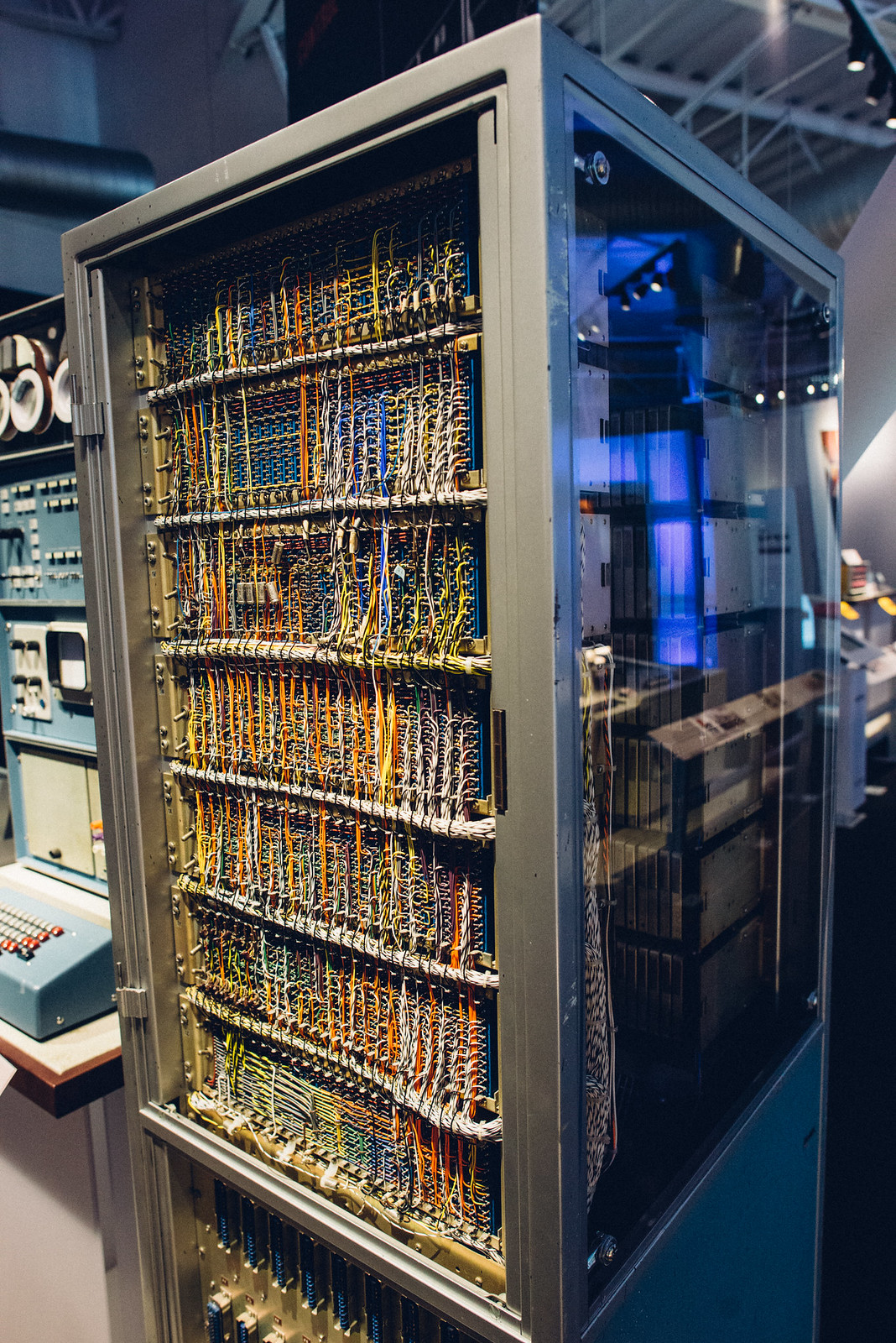
As time progresses, technology miniaturizes… and parallel processing begins.
DSC_3049

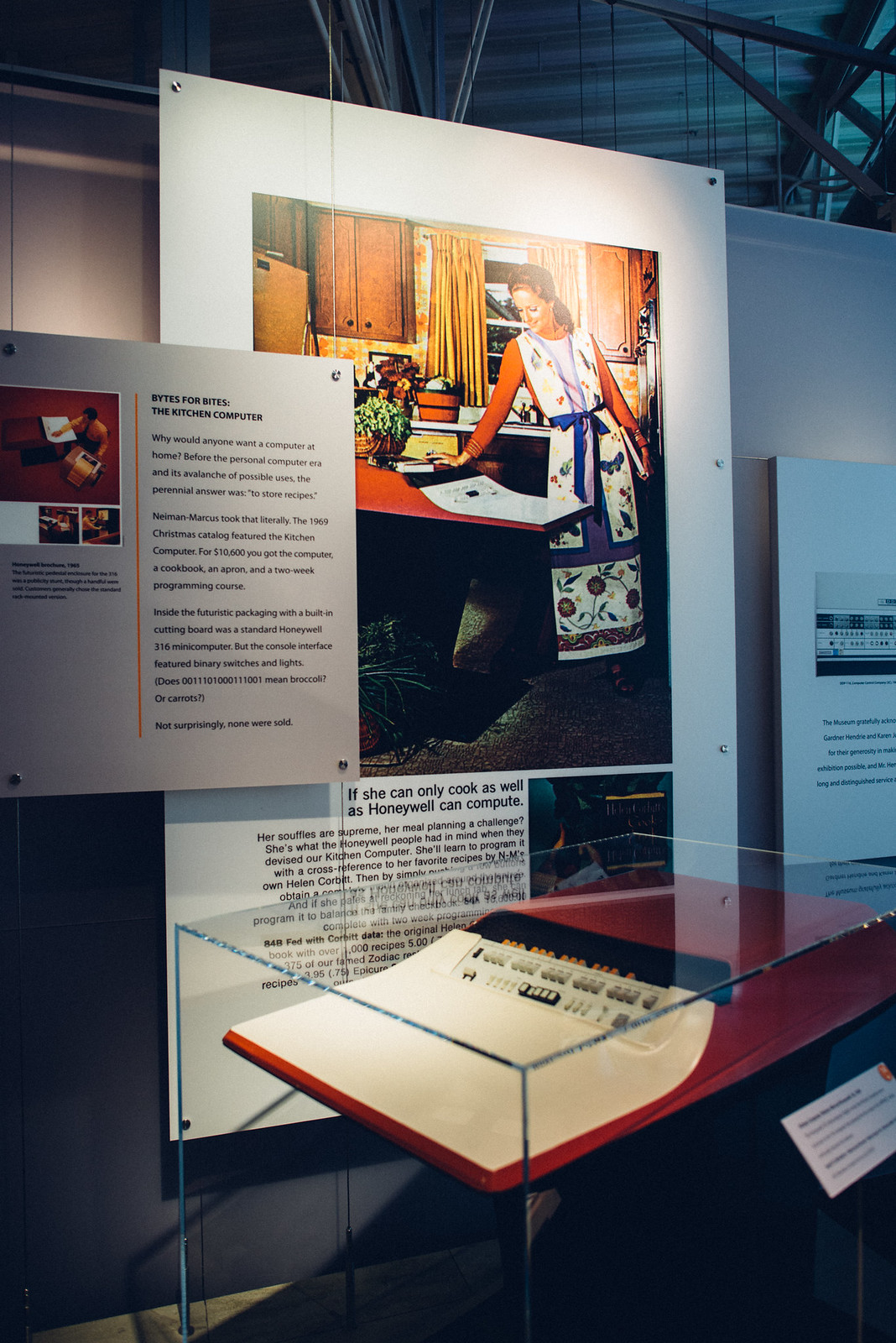
This was one of the early consumer facing computer products, designed to store recipes for house wives. None were sold.
DSC_3051

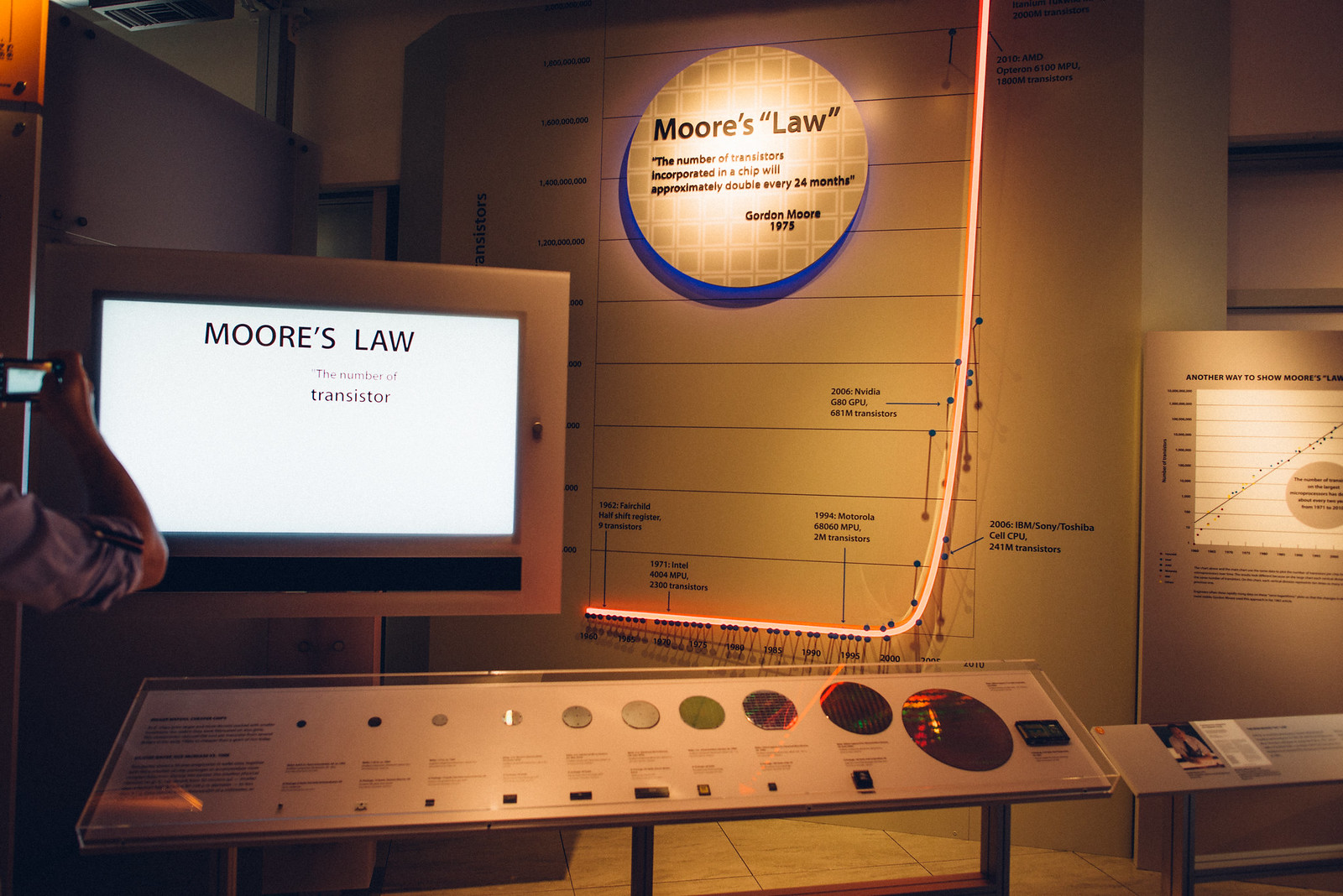
And of course Moore’s “Law”. It seems it’s more of a marketing scheme than actual fact. Joe explained that for the first time in history, we are no longer exponentially advancing. I need to investigate this a little more. I’m not sure exactly what all of it means, but it’s fascinating.
DSC_3052

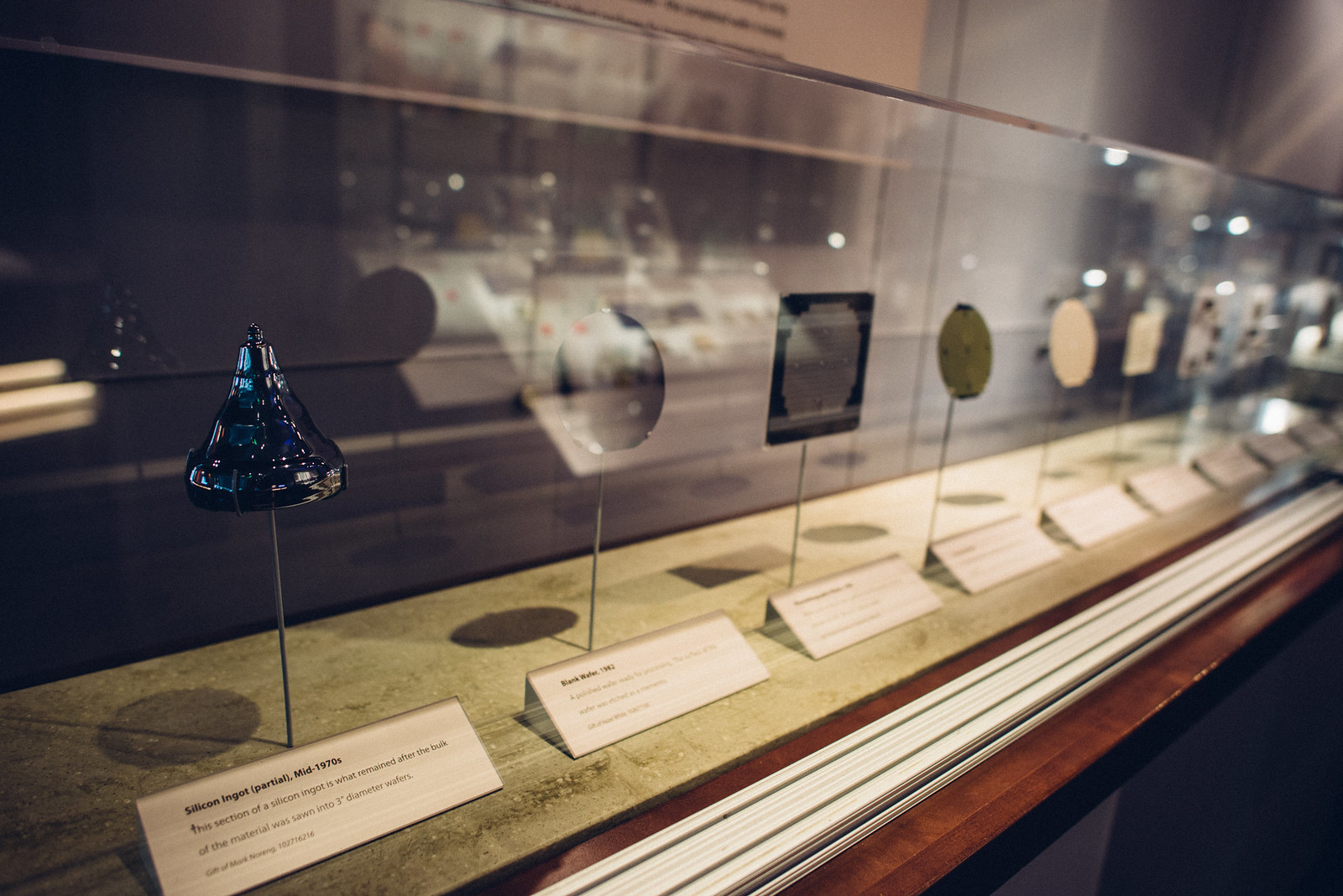
This shows how a silicon ingot becomes a computer chip. Check out how they’re made here.
DSC_3053

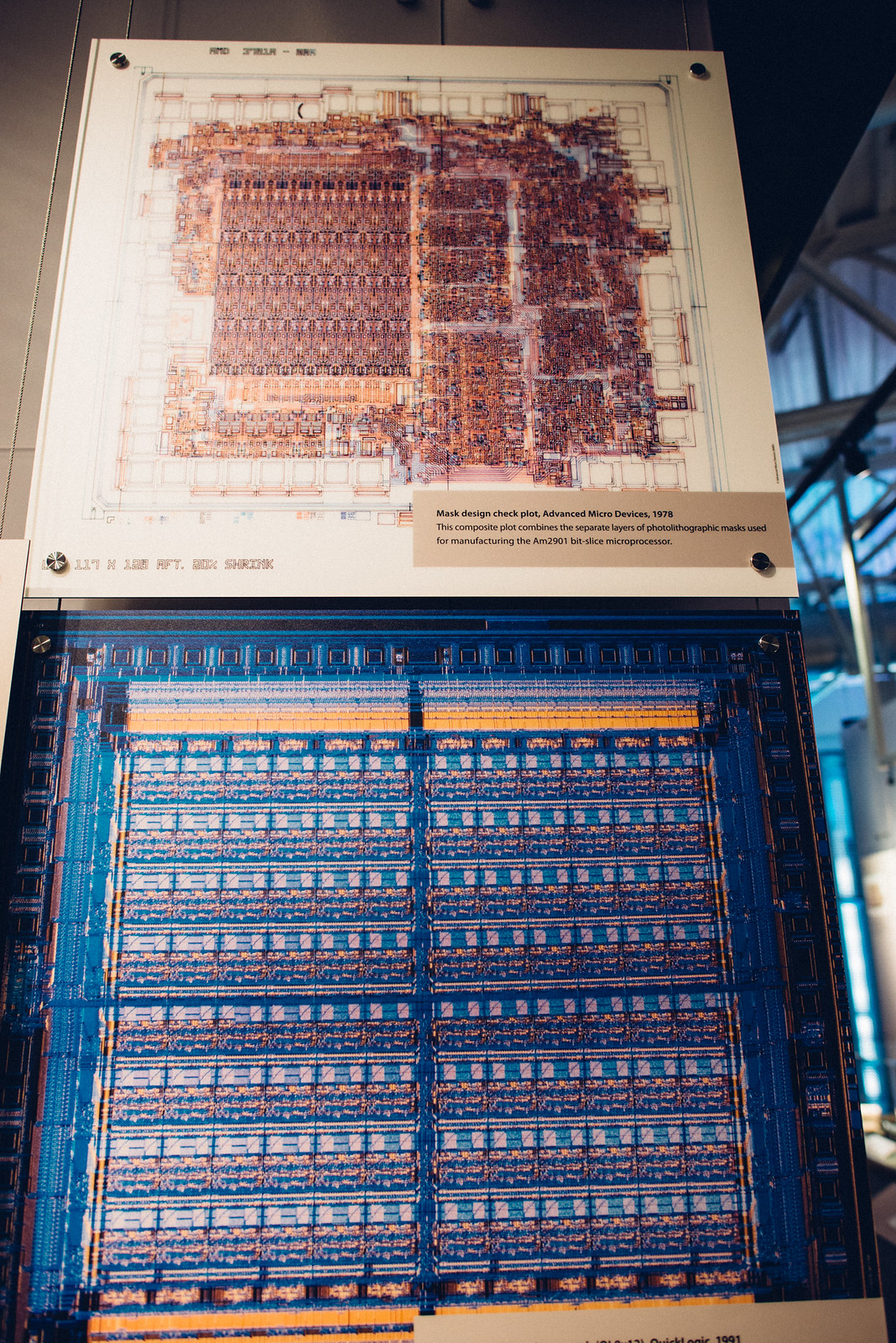
Here’s a micro-chip under tremendous magnification.
DSC_3055

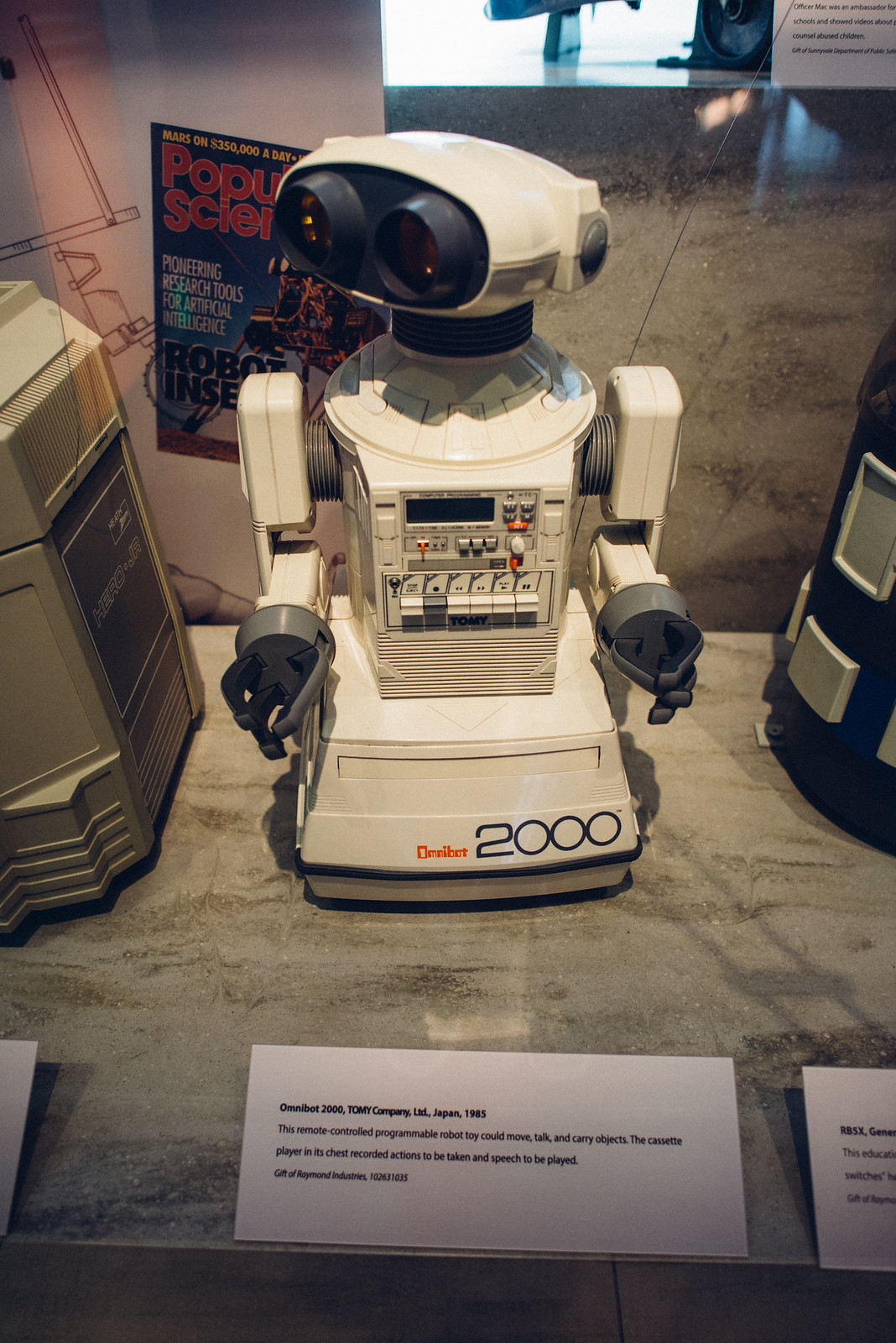
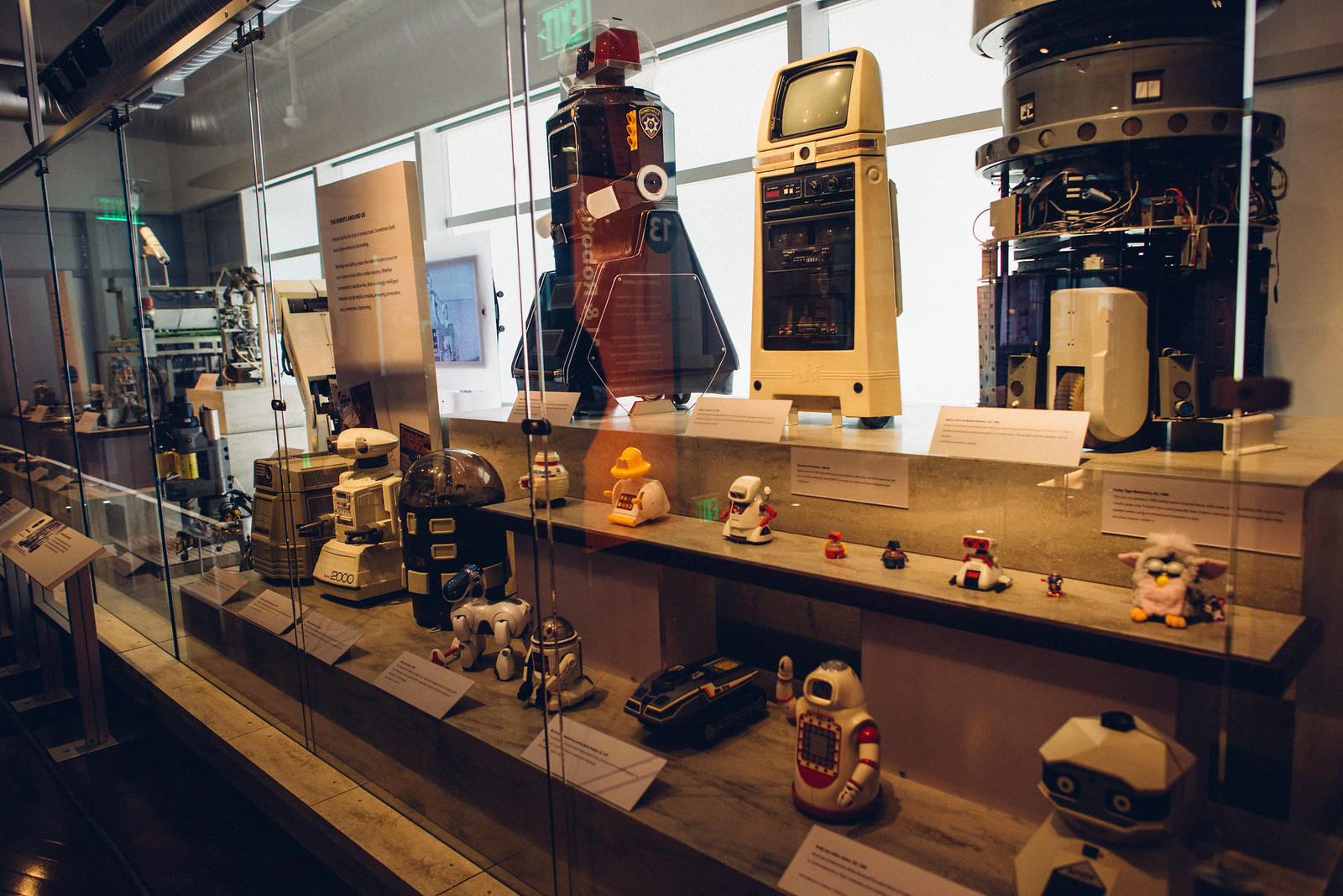
Then we checked out some robotics.

DSC_3056

I have a new found appreciation for all the effort that went into building this machine.
DSC_3059

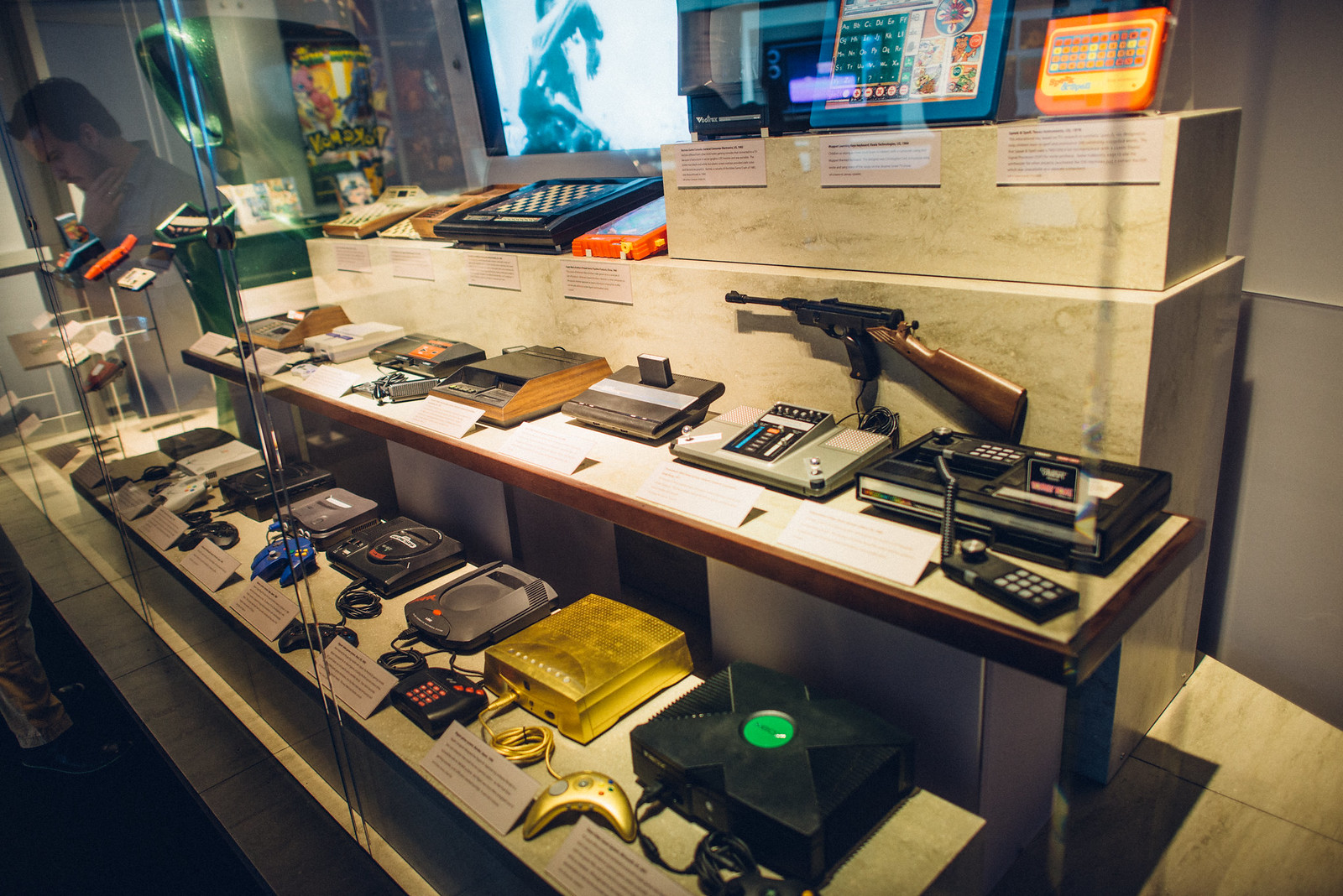
This was a really fun part of the exhibit—gaming. Joe explained how the gaming industry has really pushed graphic technology forward. In many ways, gaming has pioneered virtual reality.
DSC_3062

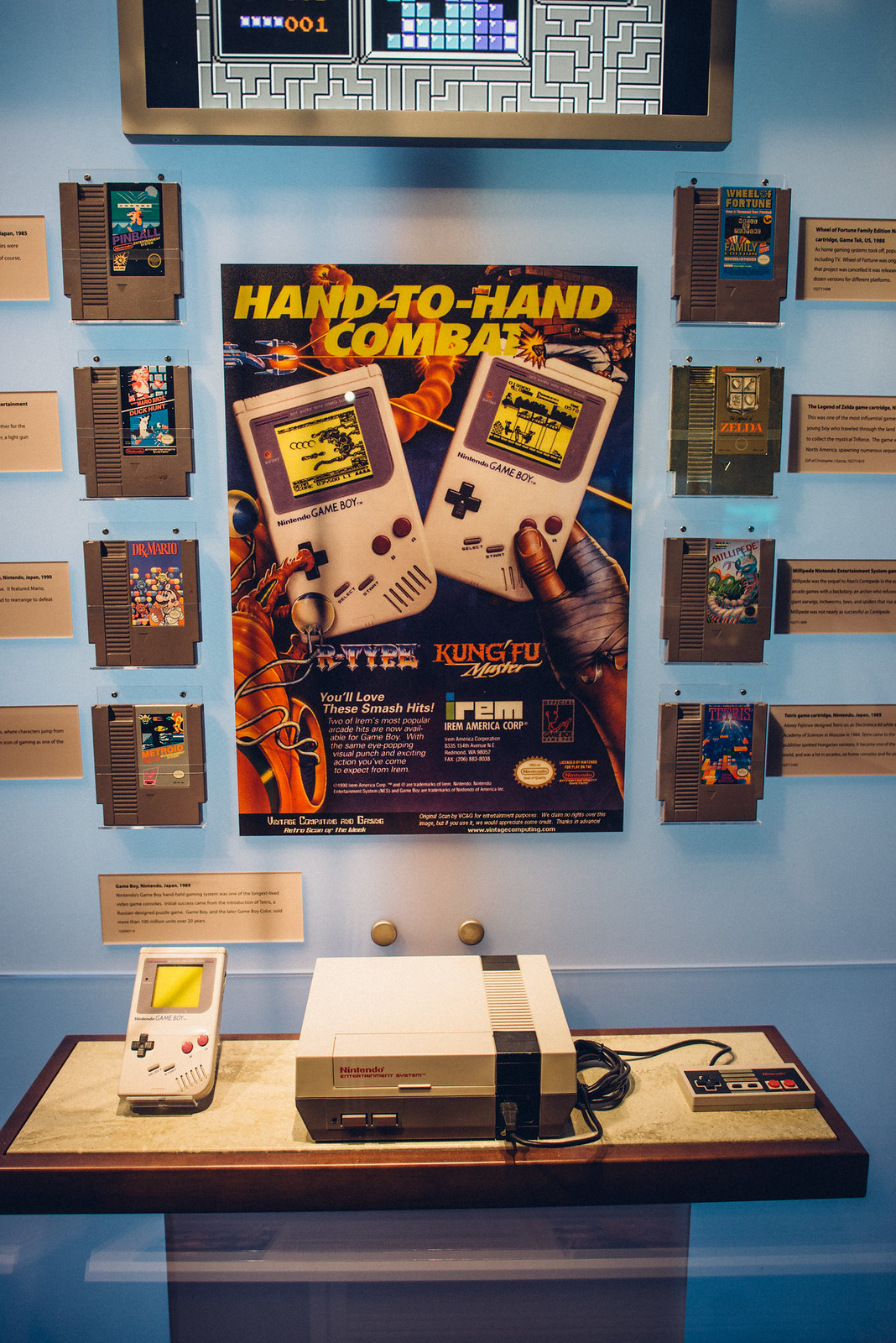
This, my friend, was my childhood. I loved the gold version of zelda—what a brilliant concept.
DSC_3065

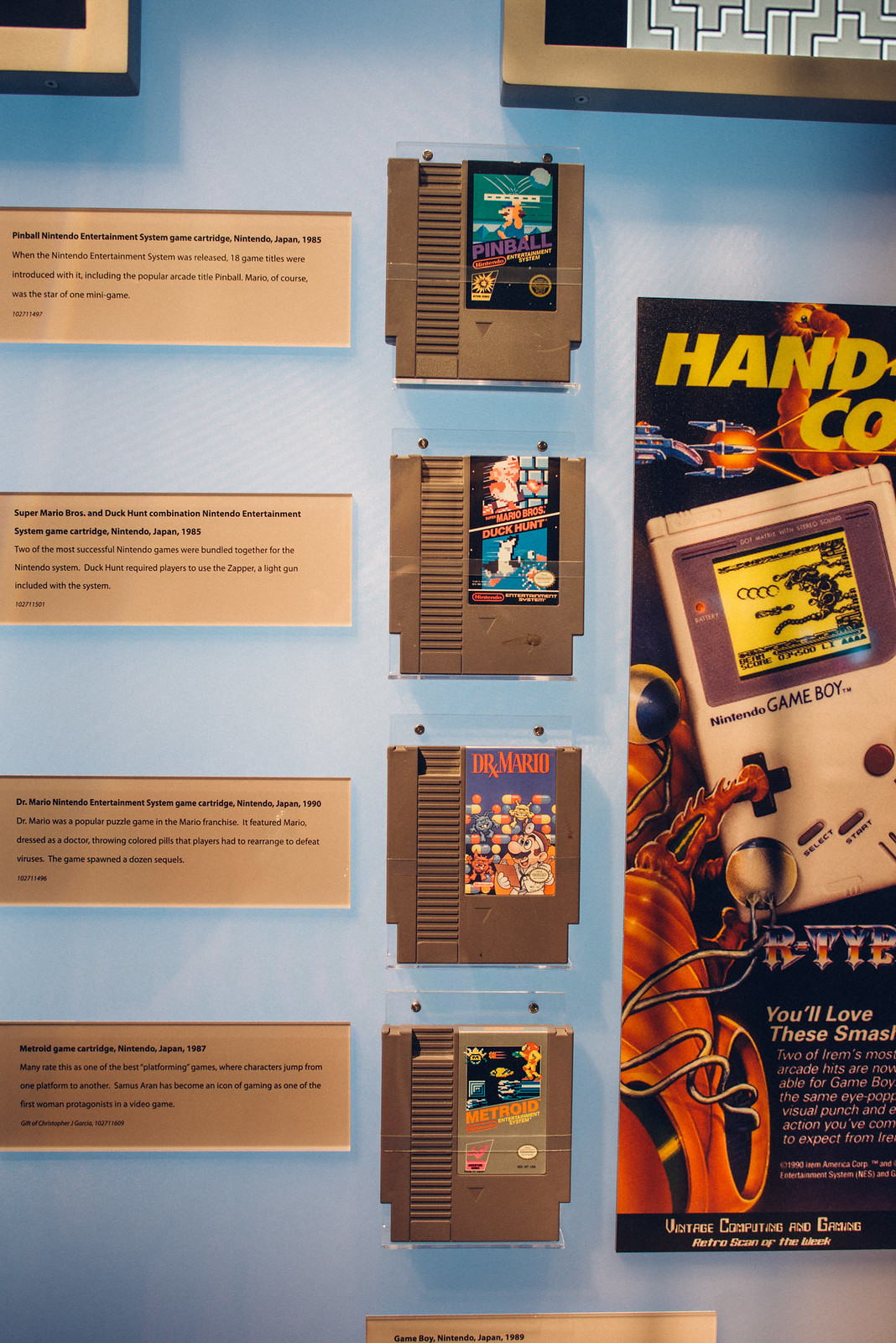
And yes, that’s Dr. Mario over there! This brings back so many memories. I can’t believe that I grew up during this time.

DSC_3066

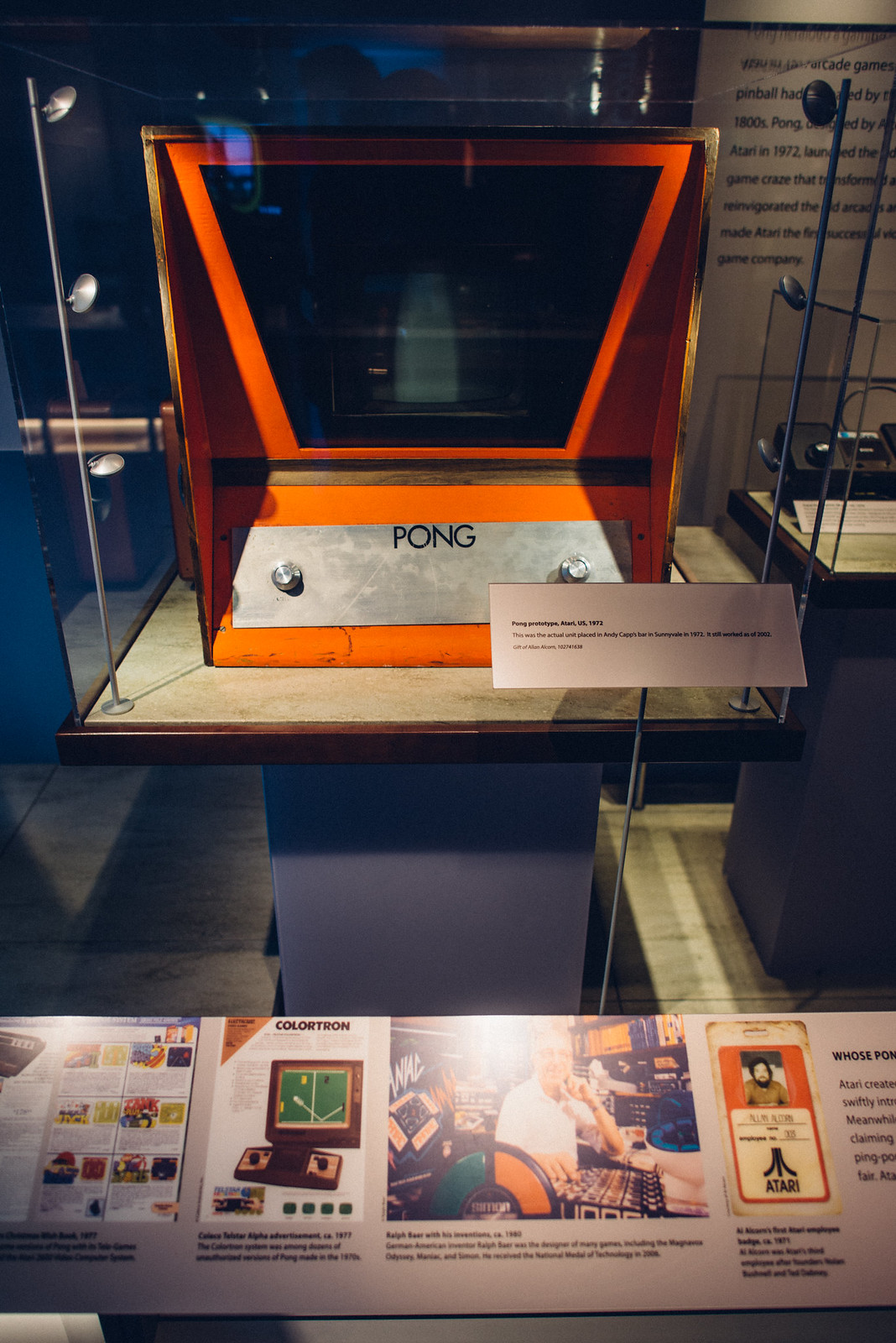
The Atari—it was before my time, but I recall some kids with it.
DSC_3067

And this one is for you old timers.

DSC_3068

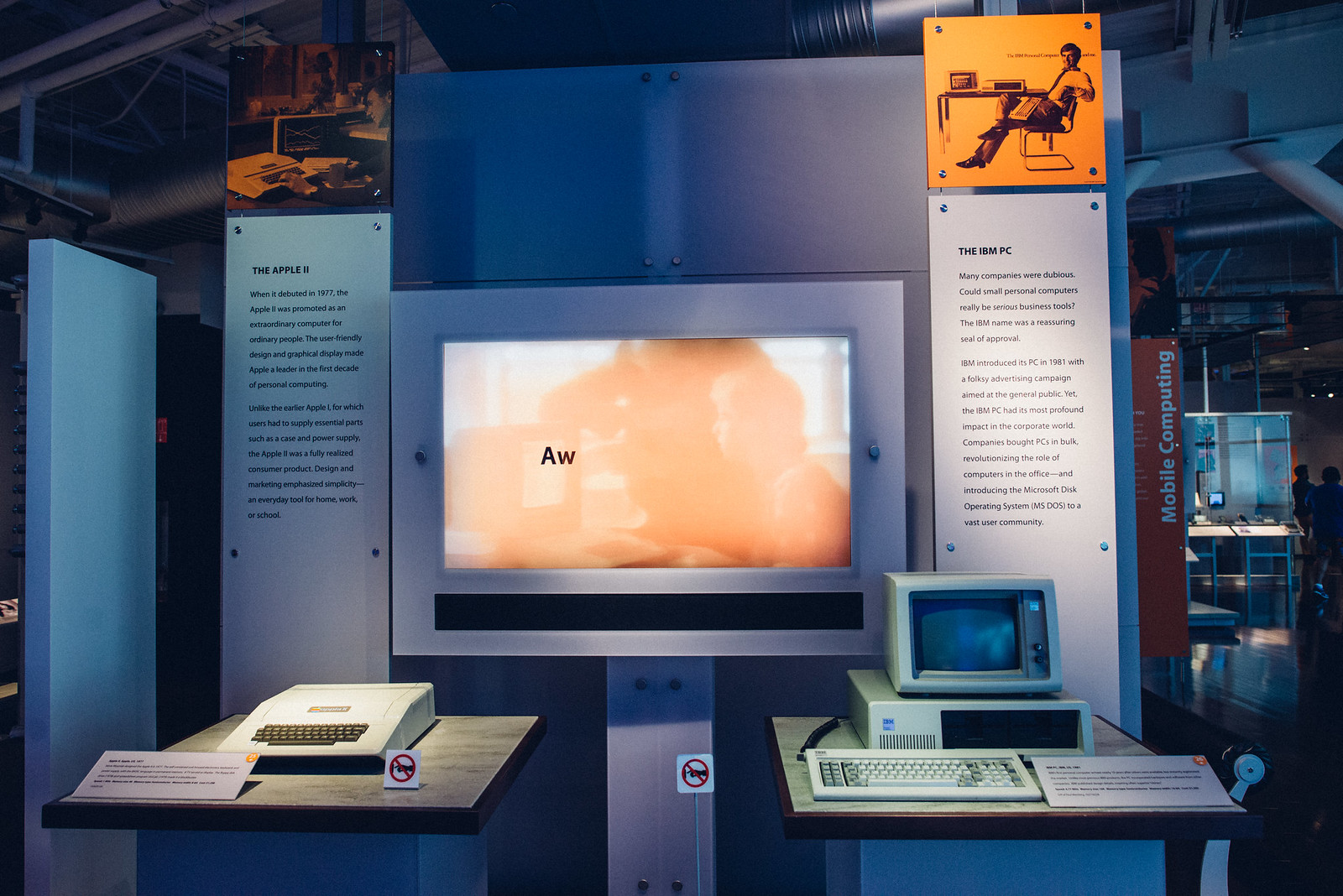
No museum would be complete without including Apple.
DSC_3071

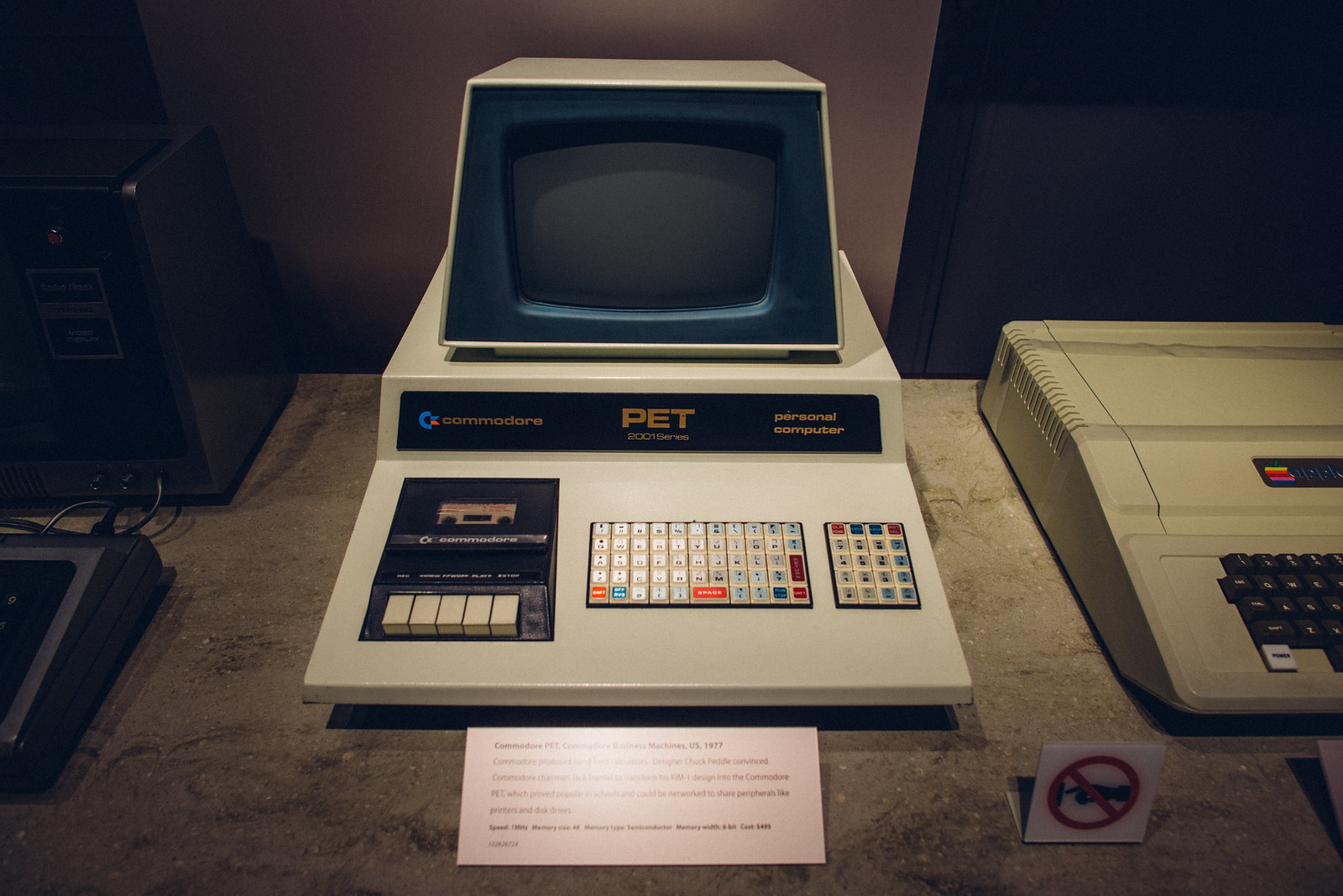
Here’s a Commodore, running off a tape. Say whaaaaaaaaat???
DSC_3072

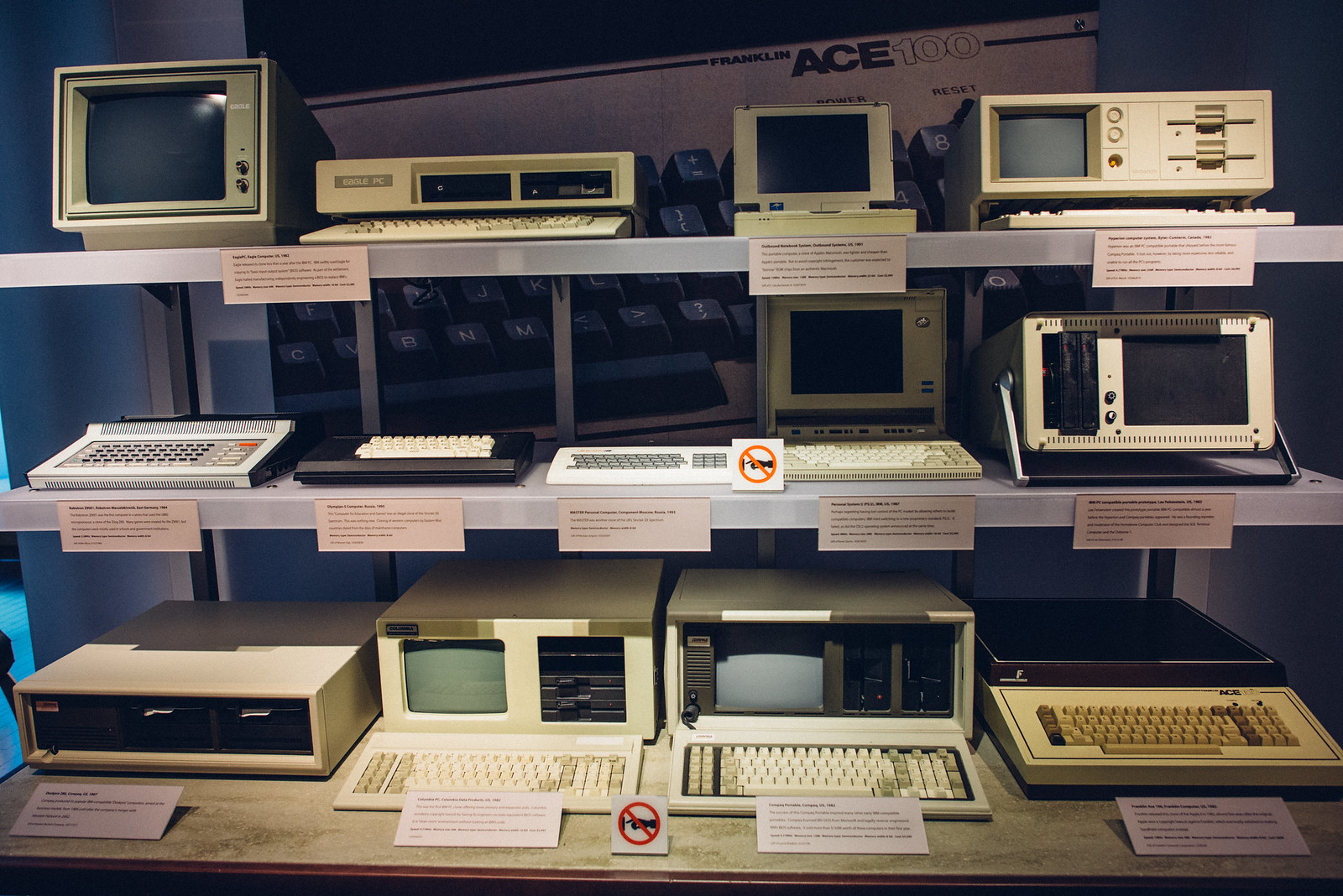
Variations of all the early computers, designed for consumers.
DSC_3073

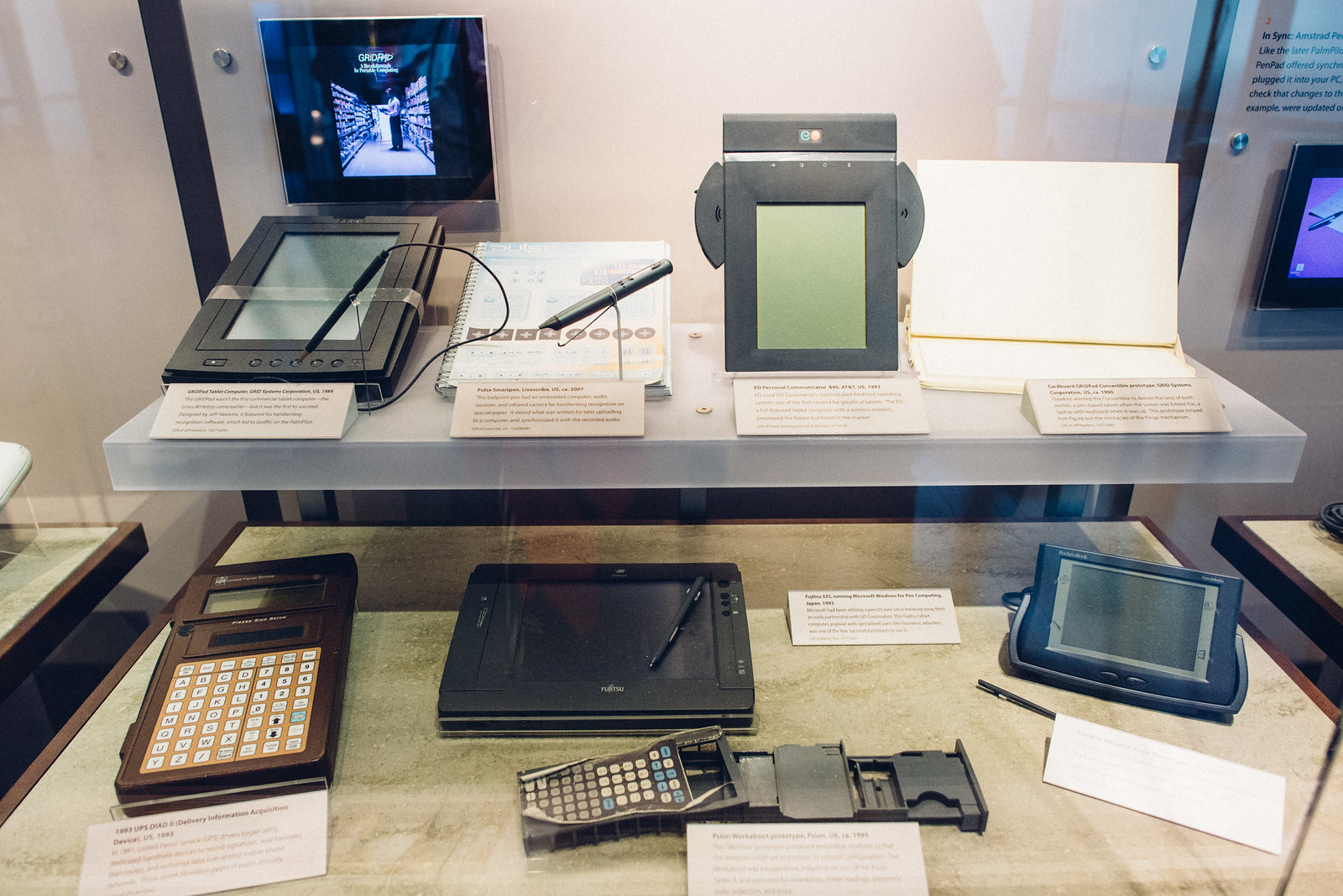
And here are the tablets before the iPads.
DSC_3075

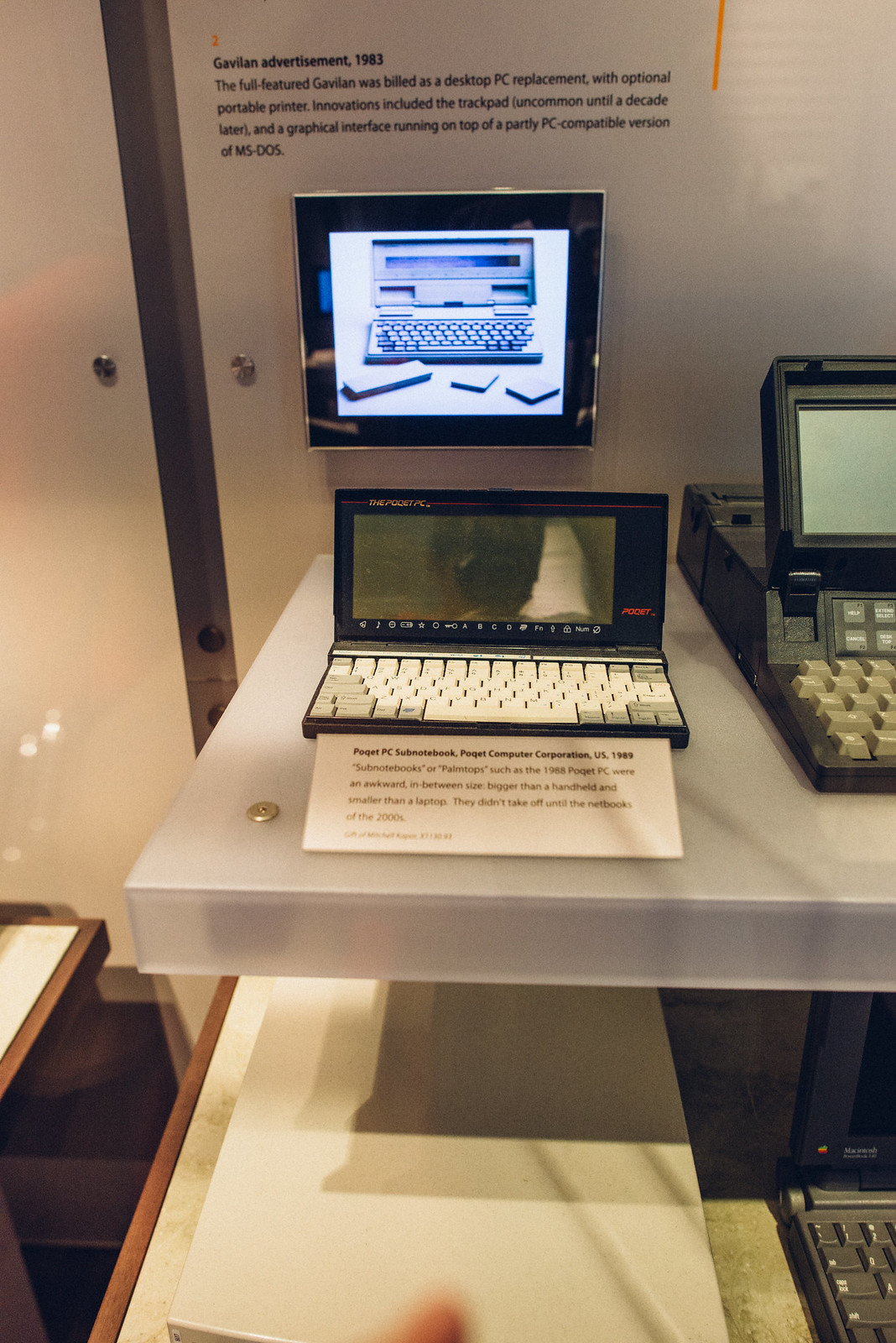
And the sub-notebooks before the Macbook Airs.
DSC_3077

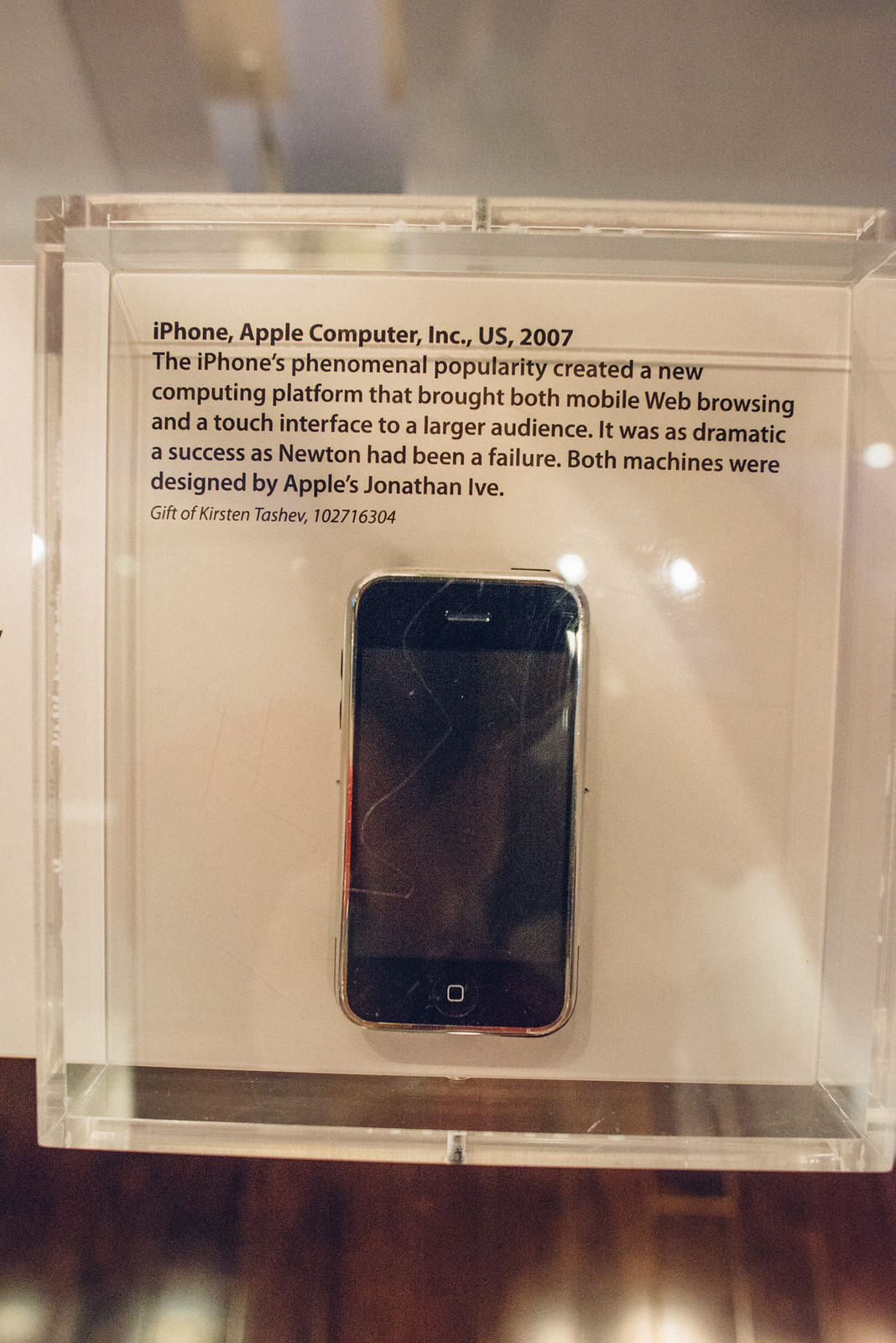
And the greatest moment in modern history, the iPhone. Anyone still have their original? Don’t sell it—keep it forever. I was stupid and sold mine. Doh!

This museum really opened up my eyes—I can’t believe how much effort went into the computer I’m using to blog this instance. We live in such an incredible time, and I’m so happy to be experiencing it.

Okay, let’s end it here. That was a lot to go through. If you’re ever in town, you should definitely go check this exhibit out.
AWS Pop-up Loft

DSC_2991

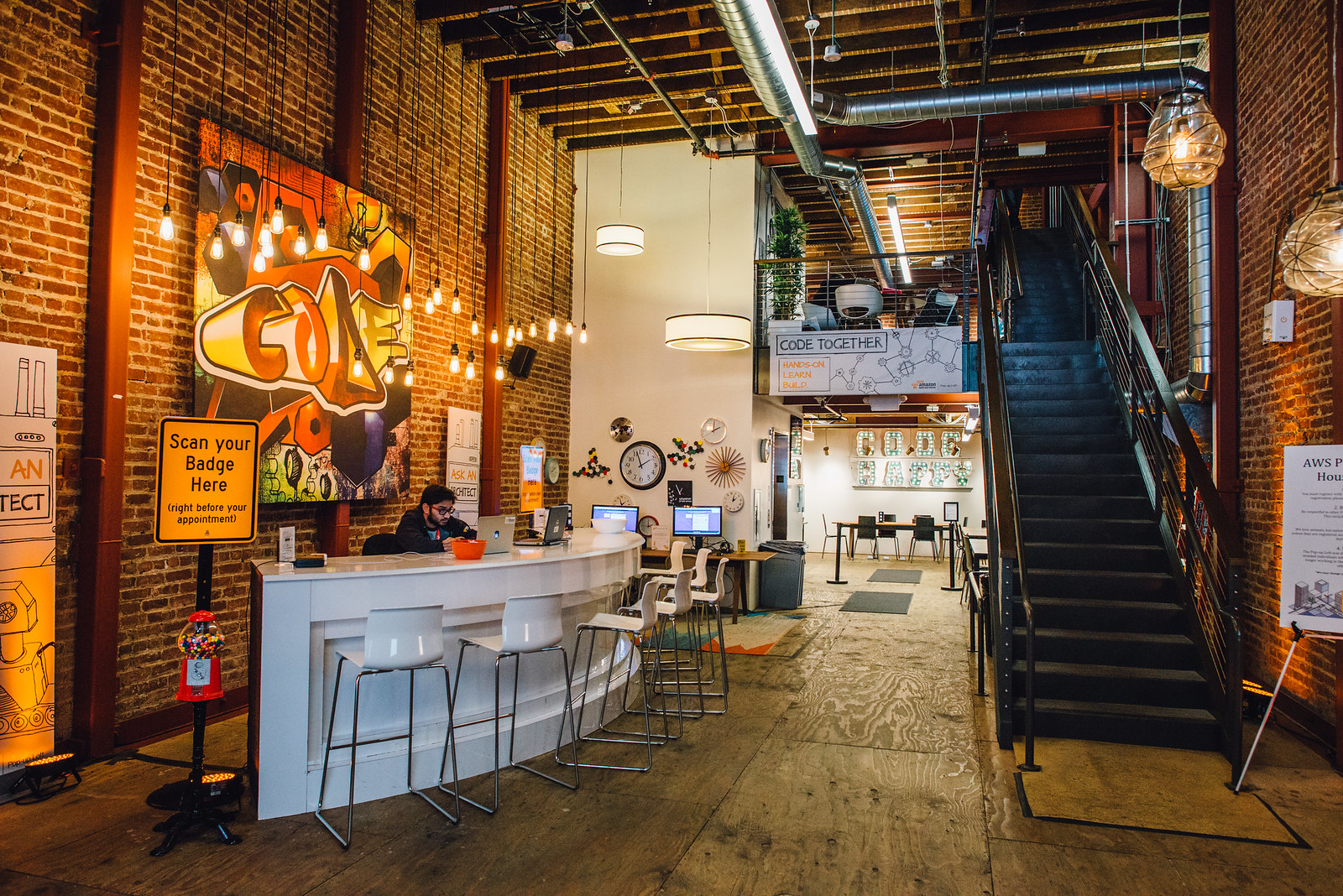
Apparently, there’s a free workspace in the middle of San Francisco, provided by Amazon. Here’s some more information about the AWS Pop-up Loft.
DSC_2992

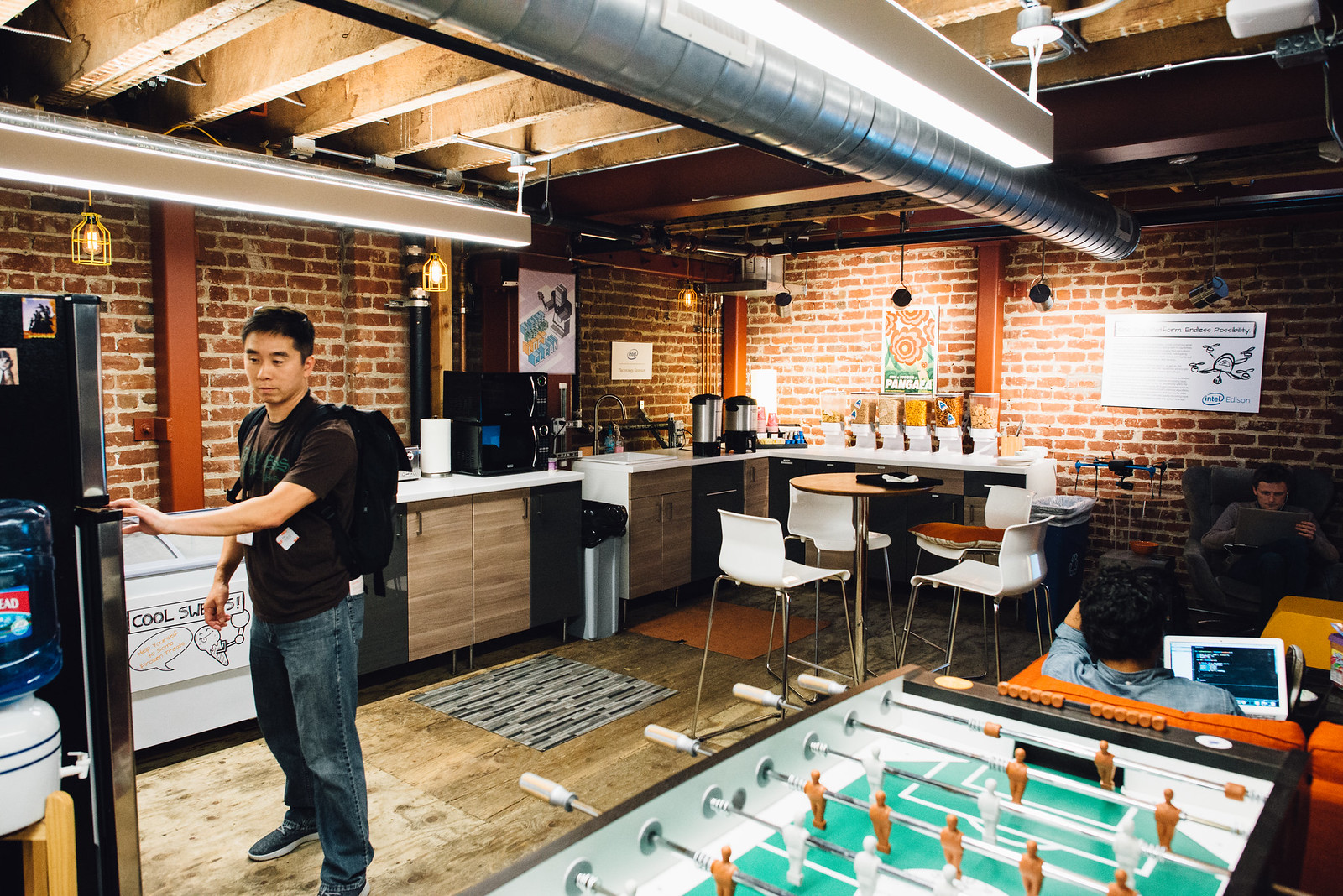
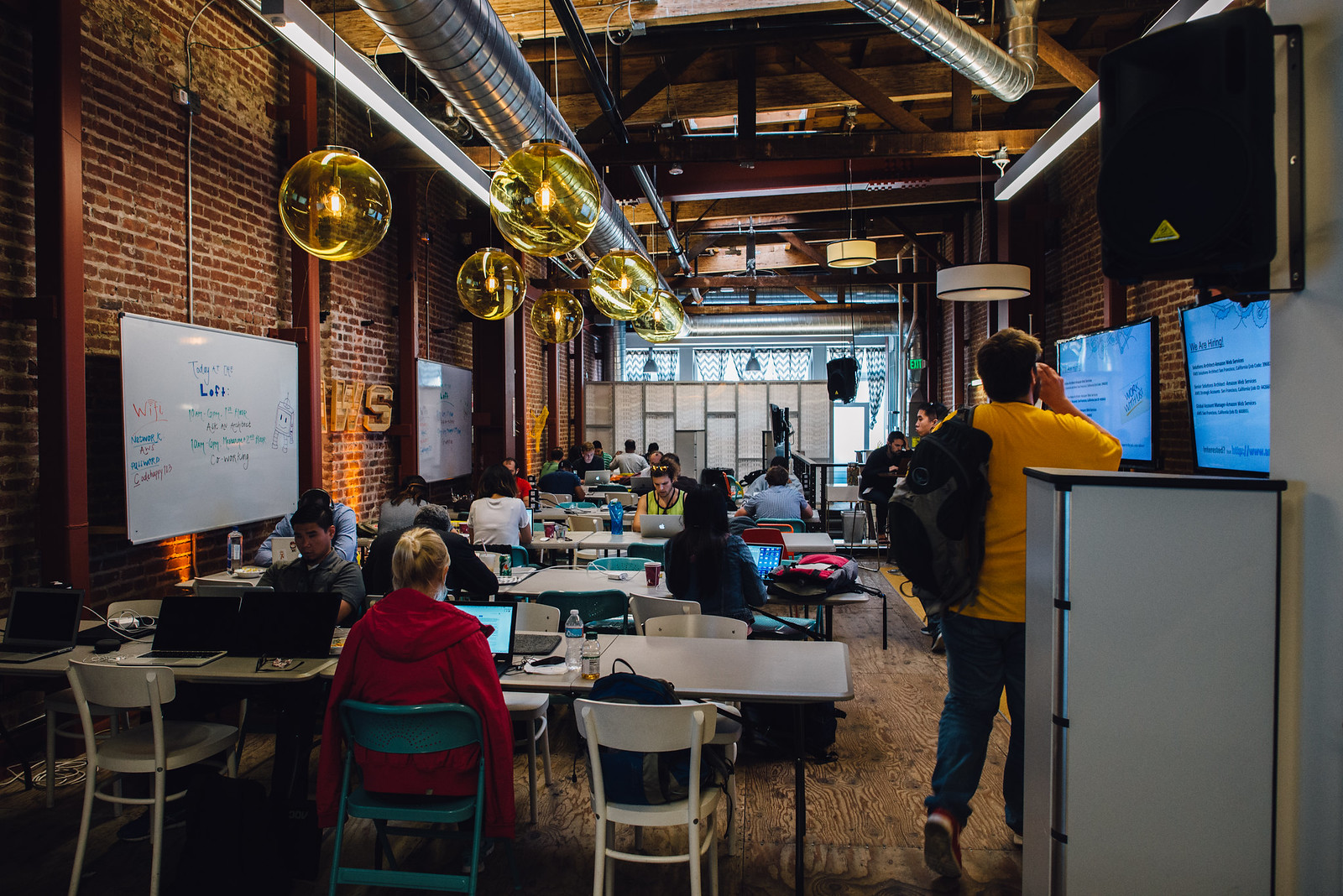
It’s a pretty cool looking space, but there’s a weird vibe to it. It’s just way too quiet. Yes, that’s a foosball table, but it’s garbage.

Yes, it’s a free work space, but I think I’m happier just chilling in a coffee shop.

DSC_2993

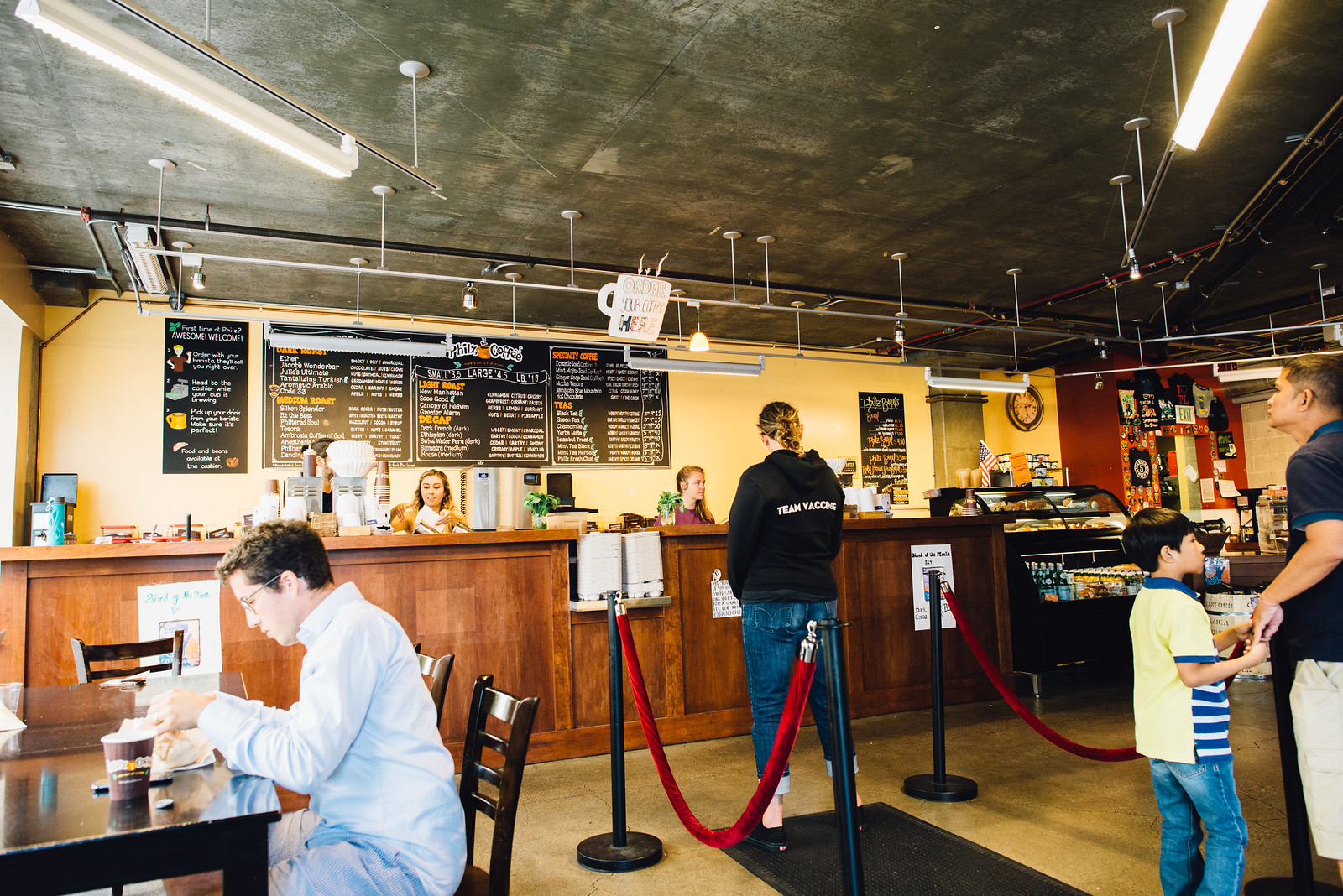
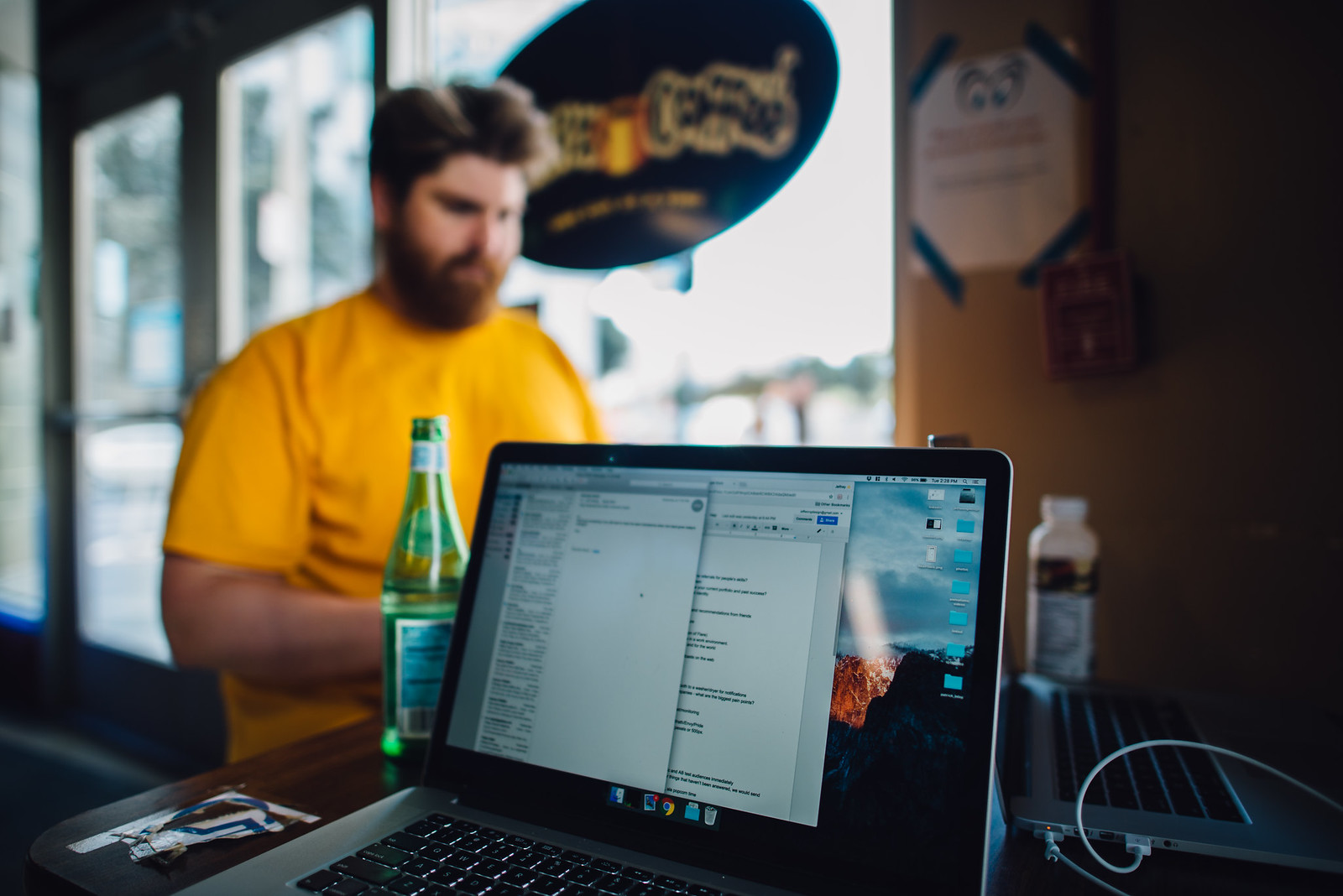
After our visit to MOMA, we walked around and then ended up working out of Phil instead.

DSC_2994

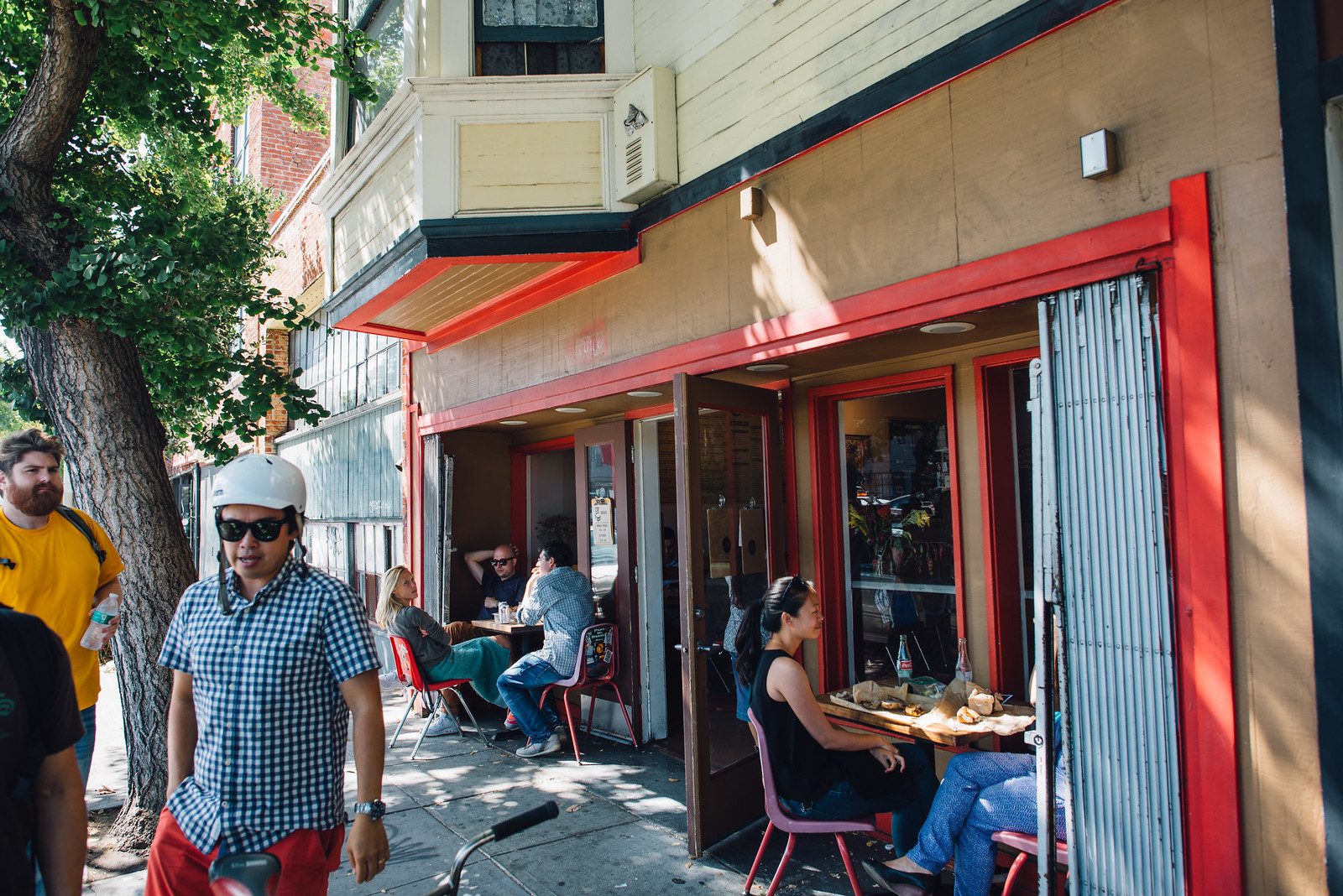
We toured through the seedier part of town, but it was well worth it.

DSC_2995

Lots of great ideas emerged yesterday afternoon. We should definitely do this more often.

Lunch With Dennis

DSC_2989

After MOMA, we grabbed lunch with Dennis Yang (a friend of Rudy’s). He’s been working on a couple different projects over the last year and a half, and it sounds like his team found traction with their latest project. ^_^

DSC_2984

He recently had a brainstorm session with his team as well. He shared his greatest insight with us—he realized that he was most passionate about new spaces/technology/industries. He weighted towards undefined stuff like chat bots, deep learning, etc.

DSC_2986

Dennis, thanks for giving us some advice. We’re going to keep at it. ^_^

DSC_2982

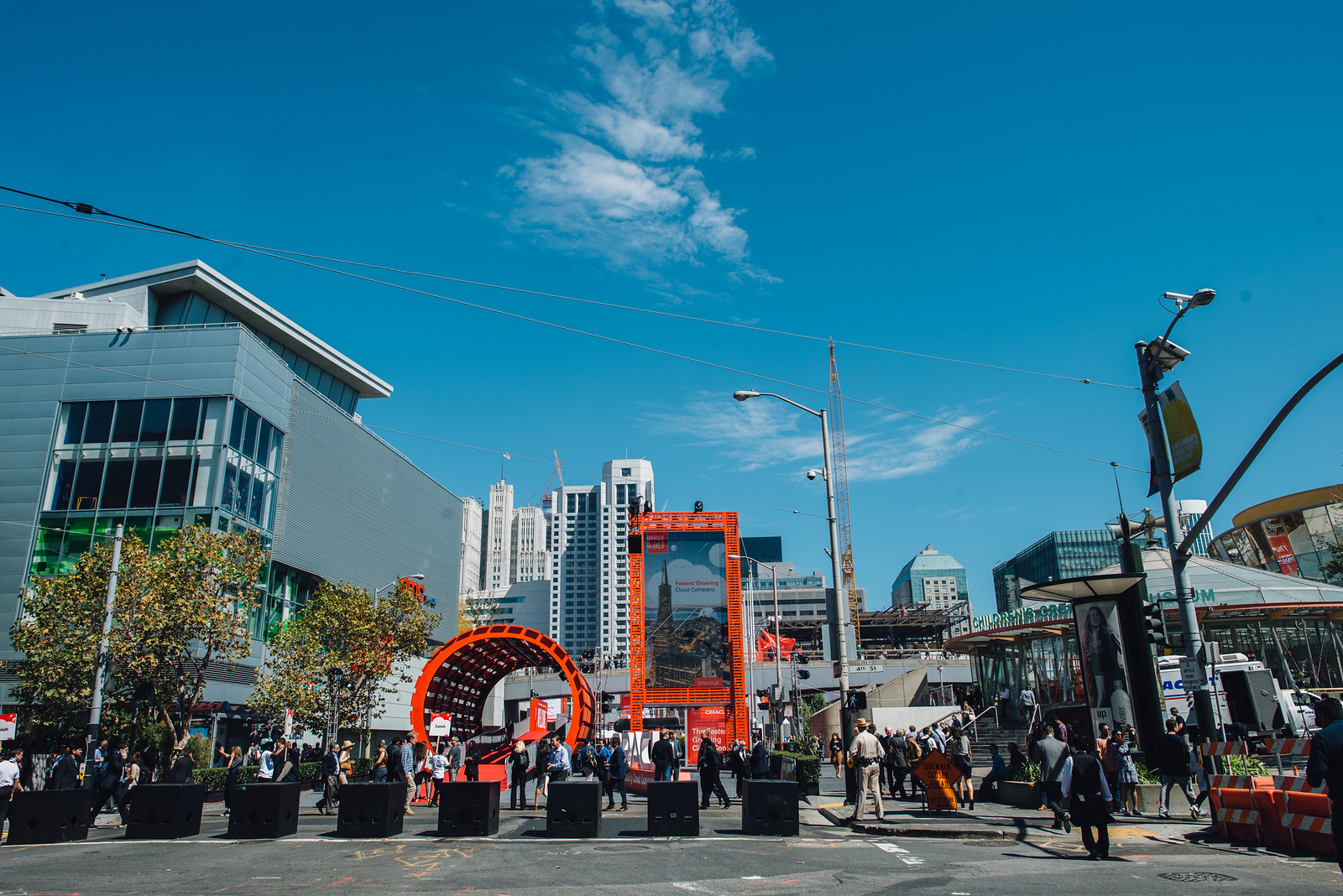
By the way, did I mention that today was absolutely beautiful? There was some sort of Oracle event happening today too. They pretty much took over two city blocks of SF.

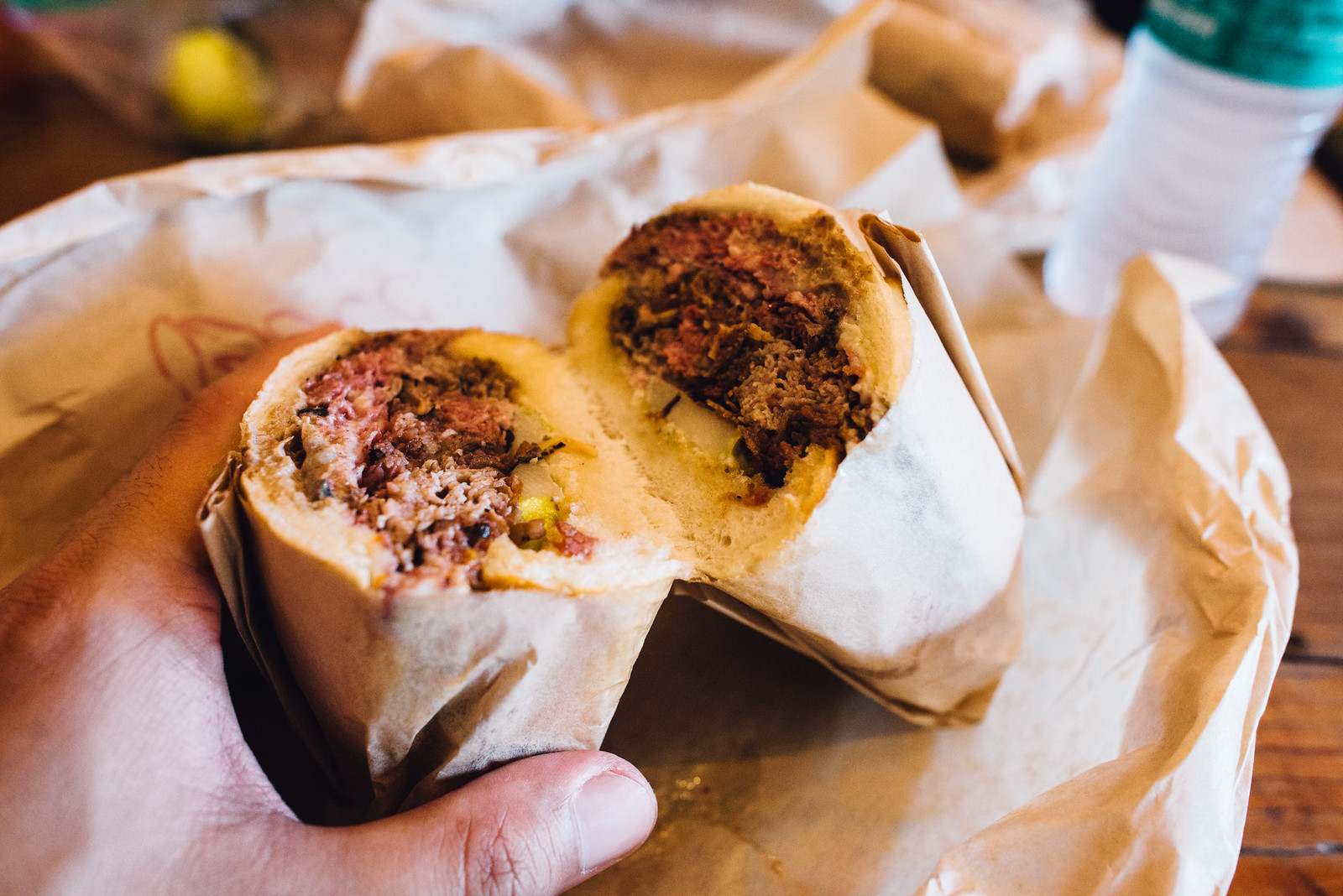
Ps. I’ll try to find the name of the restaurant we went to. That sandwich was pretty damn tasty.

Moma SF

DSC_2920

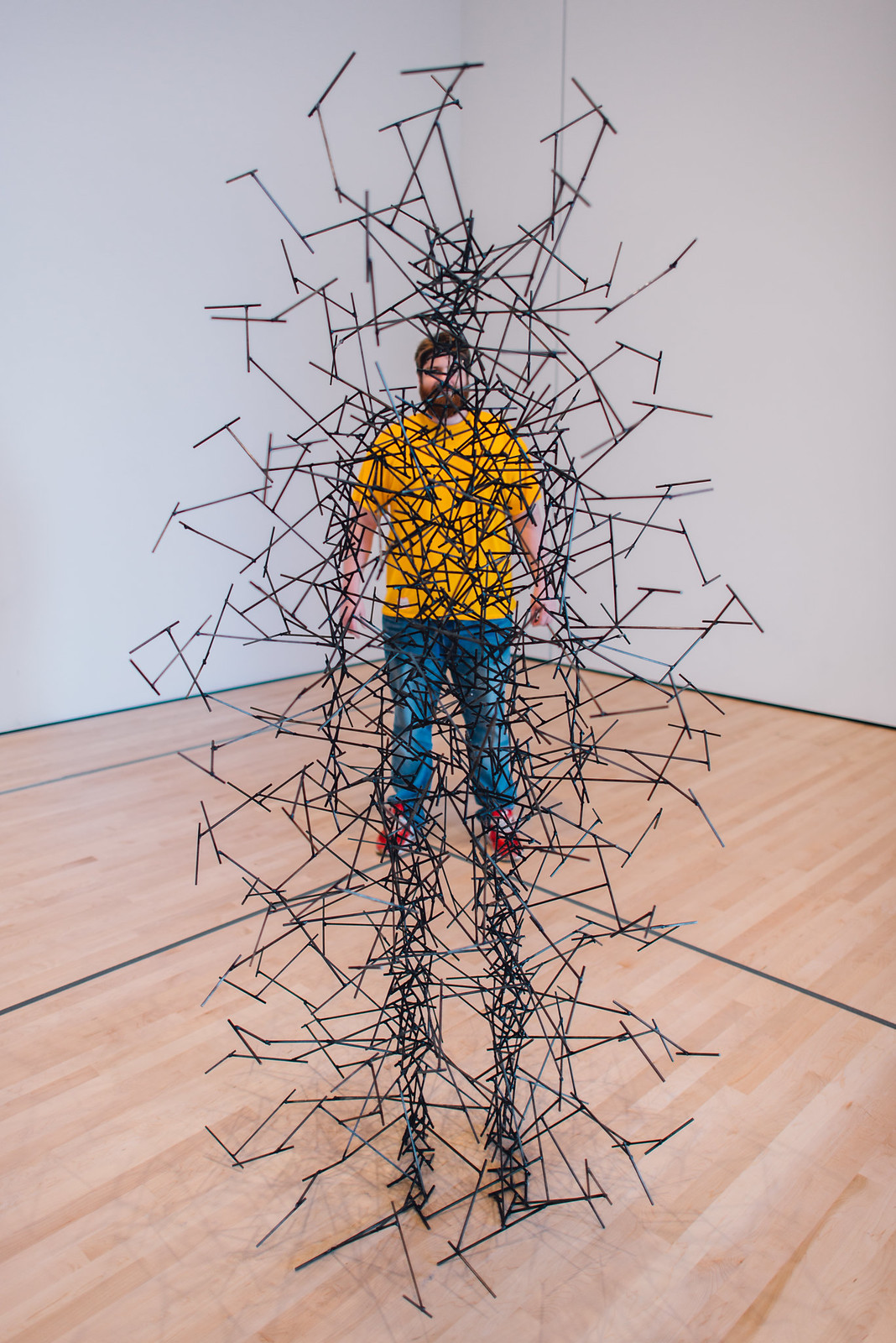
Our team took the day to change up sceneries and brain storm outside the office. I’ve always wanted to do an off site meeting at a museum… and it looks like my wish has finally come true.

DSC_2981

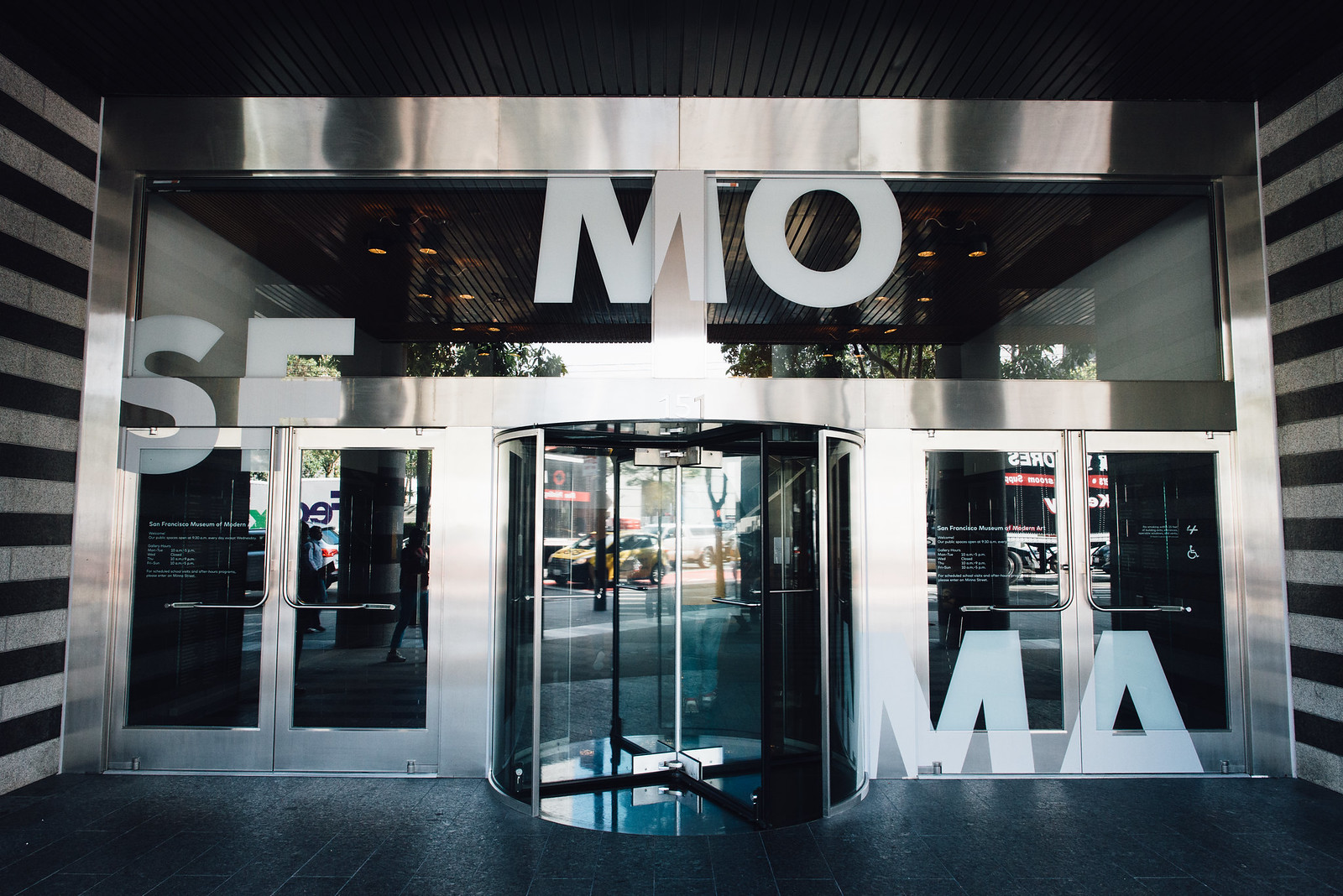
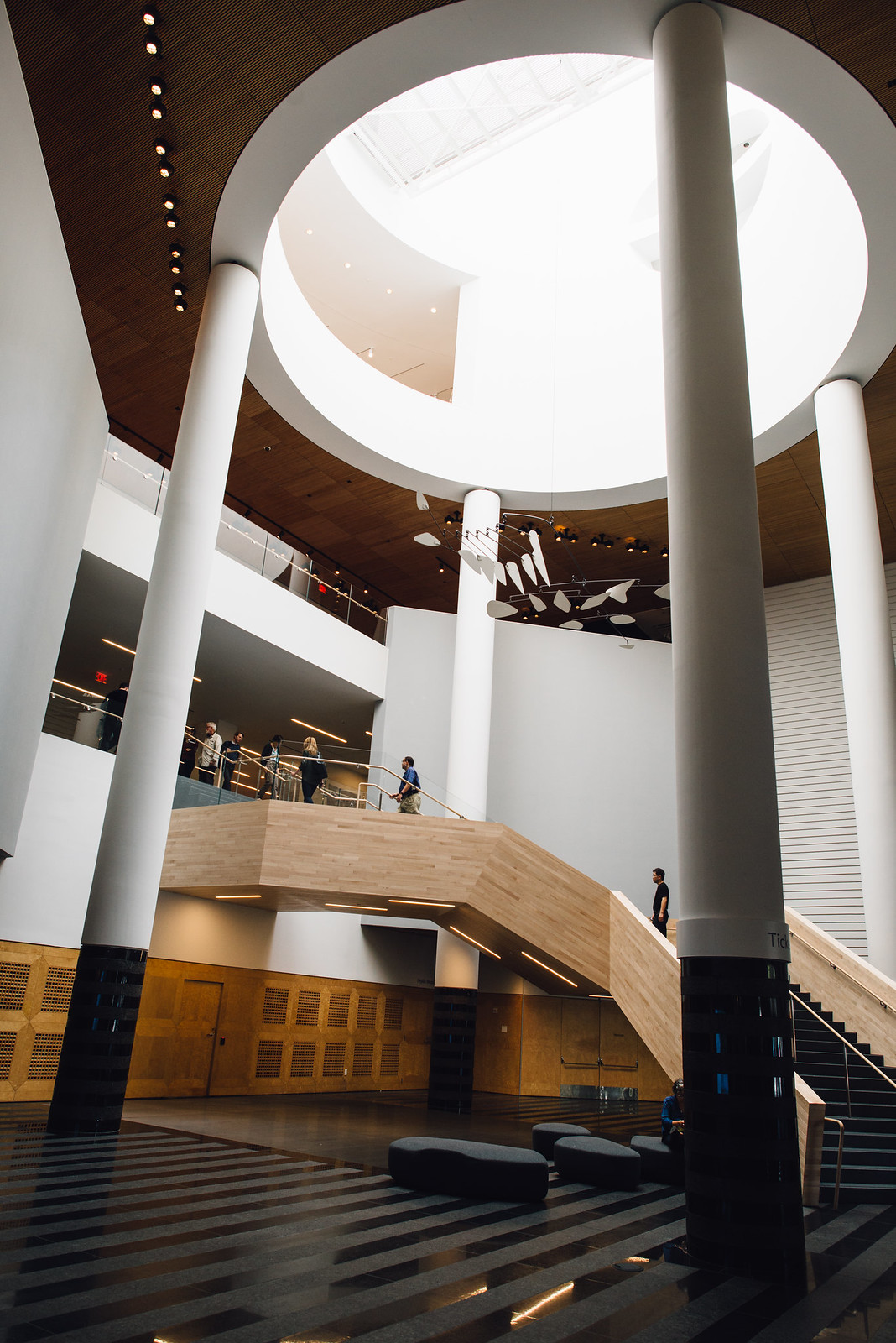
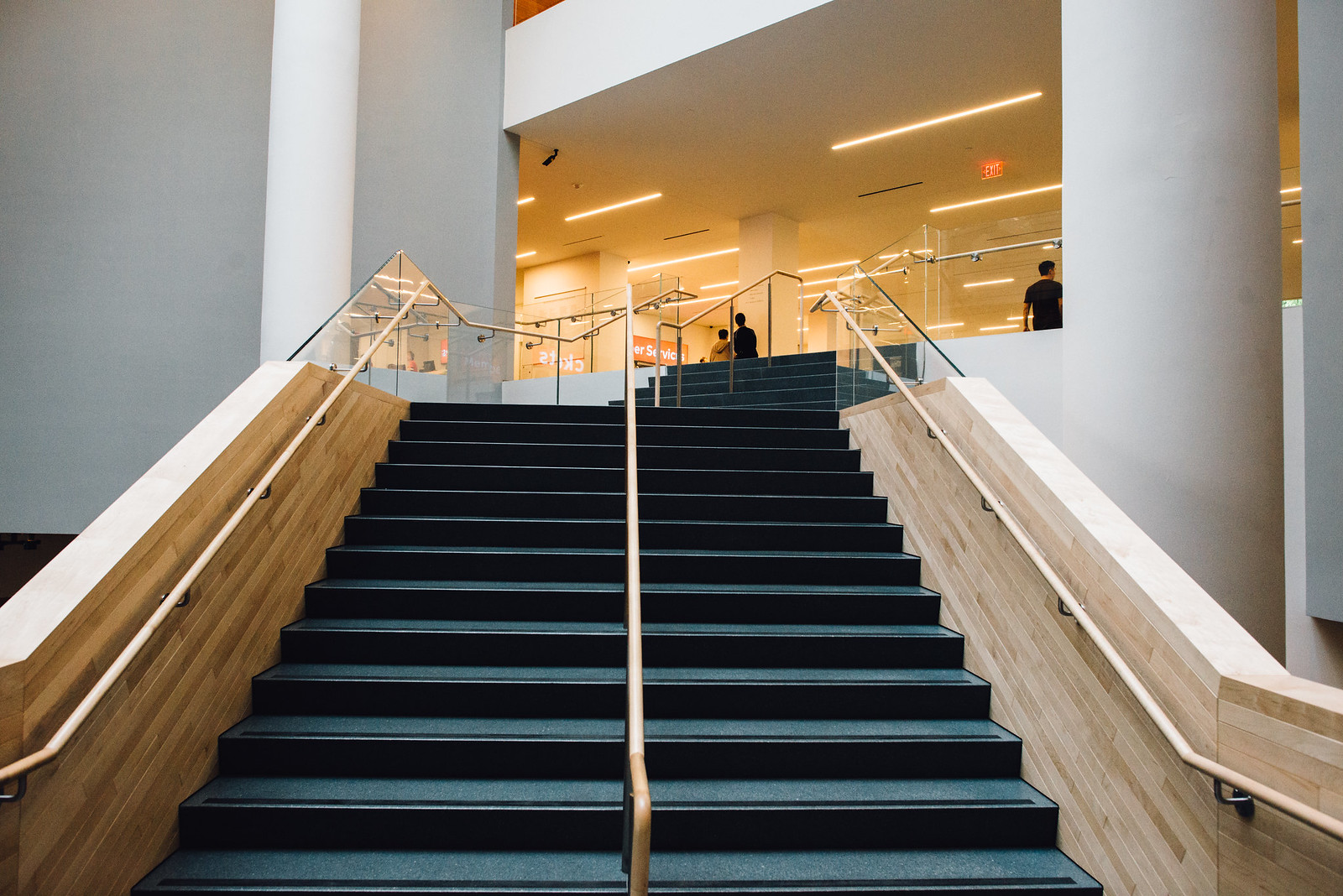
Today, we went to the Modern Museum of Art in San Francisco. When you first enter, you’ll notice how high the ceilings are. Most places in SF have low ceilings to maximize space, but this MOMA doesn’t apologize for its scale—it celebrates its openess.

DSC_2921

If you’ve never been there before, I highly recommend it. It’s reasonably priced ($25), considering that there’s a ping pong bar (yes, a bar where you play ping pong) that charges $50 per hour down the street. I repeat, a ping pong bar that charges fifty f’n dollars per hour. And what’s more hilarious is that my coworkers were trying to justify the cost. *SMH*

DSC_2922

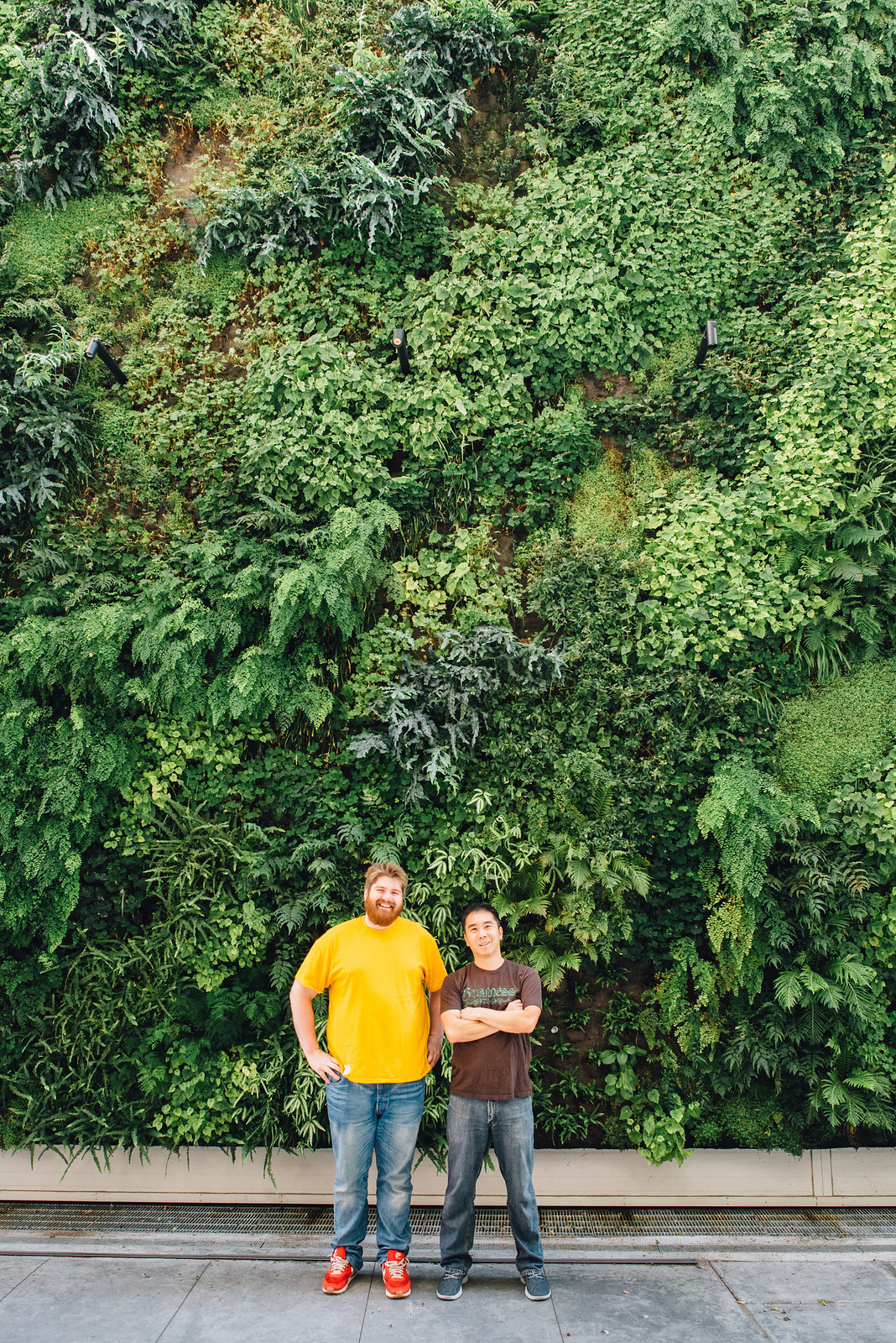
Speaking of clowns, here are the two I went with. And yeh, that’s a giant living wall behind them. Me likey.

DSC_2933

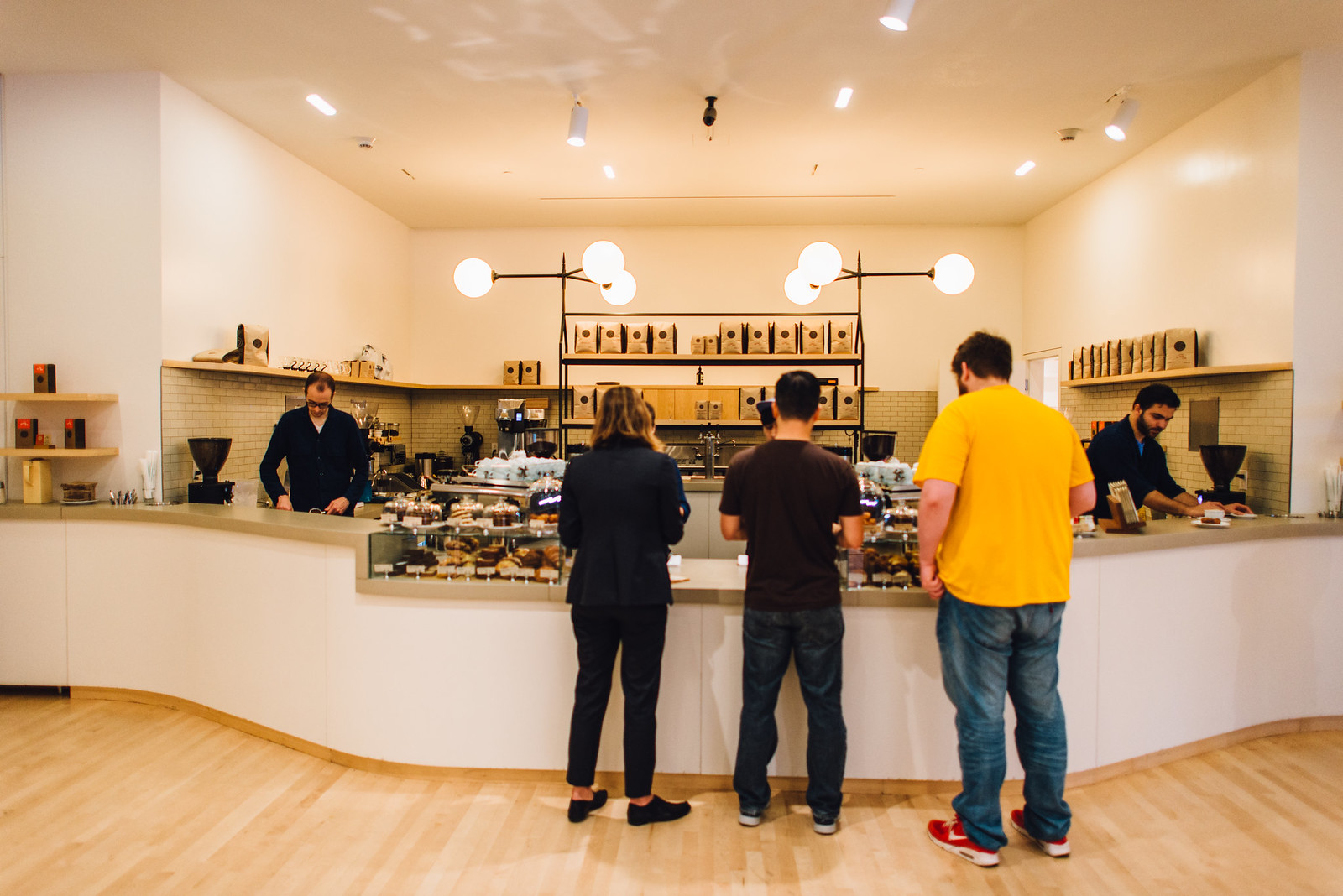
We had some interesting conversations over breakfast. We talked about everything from meditation, to multi-tasking, to alzheimer’s disease.

DSC_2935

Yeh, it’s a pretty wide gamut, but I guess that’s what happens when you put a Slacker and Wenner together.

DSC_2938

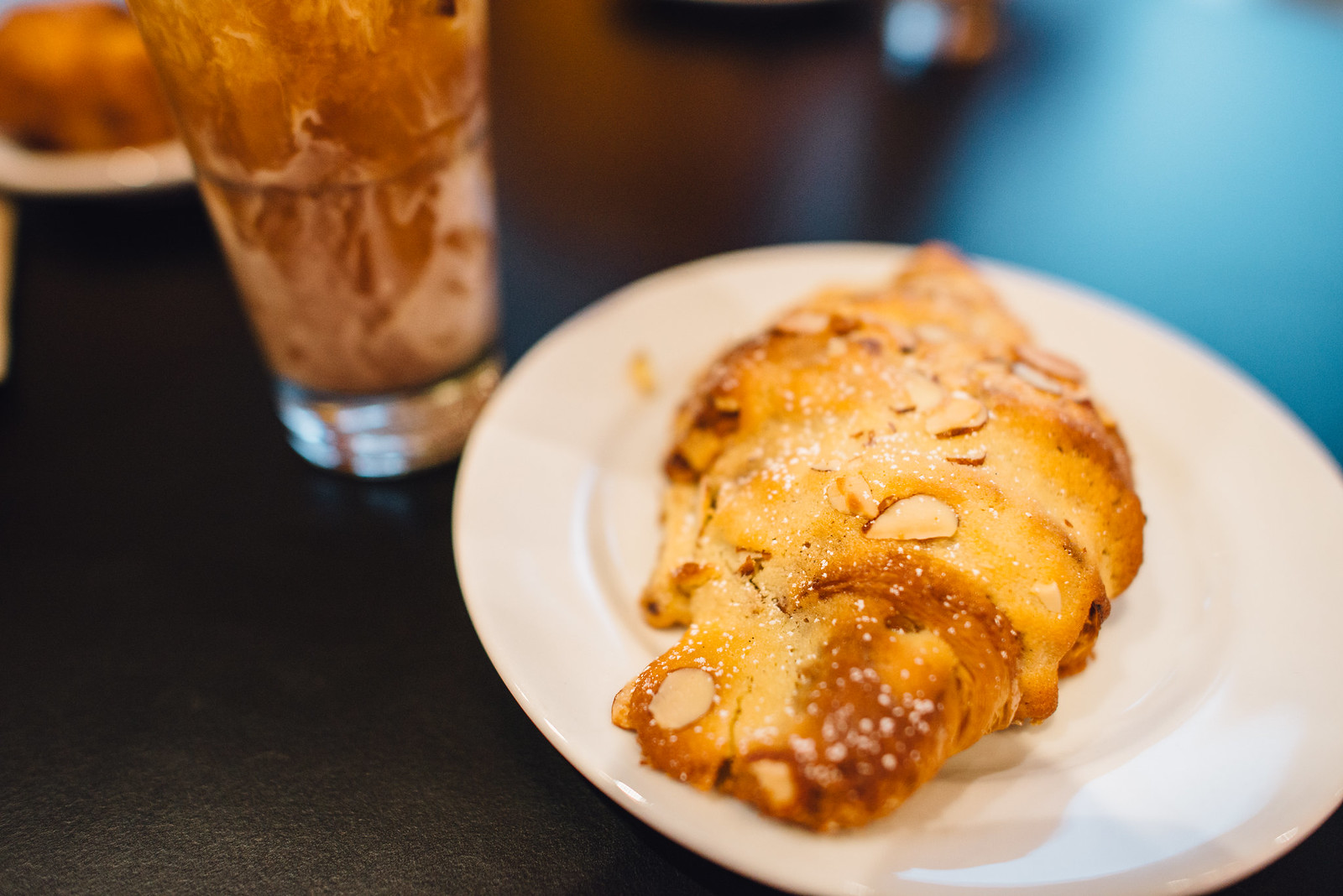
And did I mention that the pastries there were kind of amazing? Yeh, that was unexpected. The coffee was so-so, but their seasonal croissant was off-the-chain.

DSC_2927

Okay, so before I show you some modern art, I wanted to throw in one of my own artsy photos (above). Okay, now that you’re in the zone, let’s continue.

DSC_2941

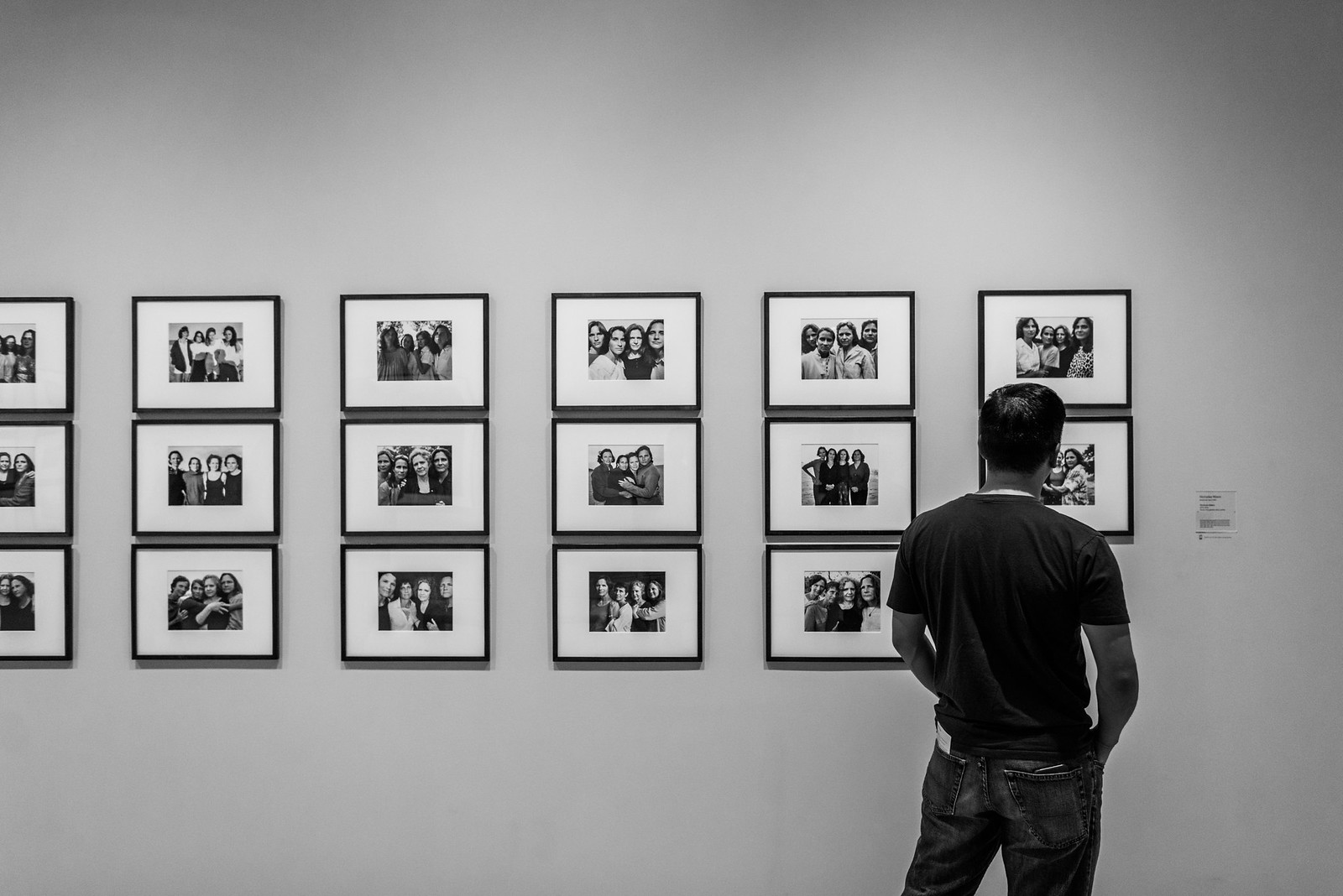
We started in the photography section. Rudy studies the pictures intensely and is amazed by how this series shows close friends aging over the years.

DSC_2945

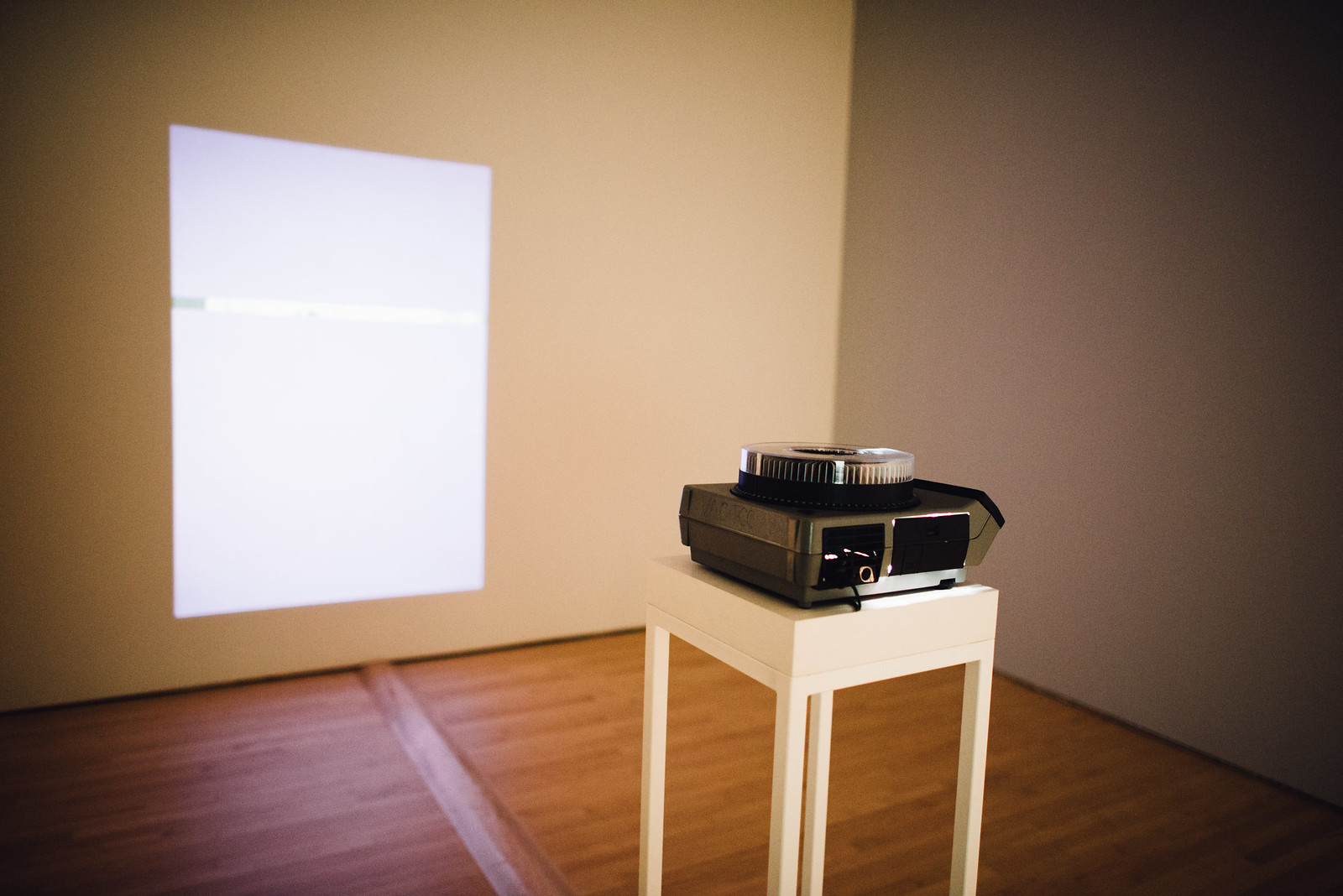
If you’re old enough, you’ll remember the slide projectors.

DSC_2946

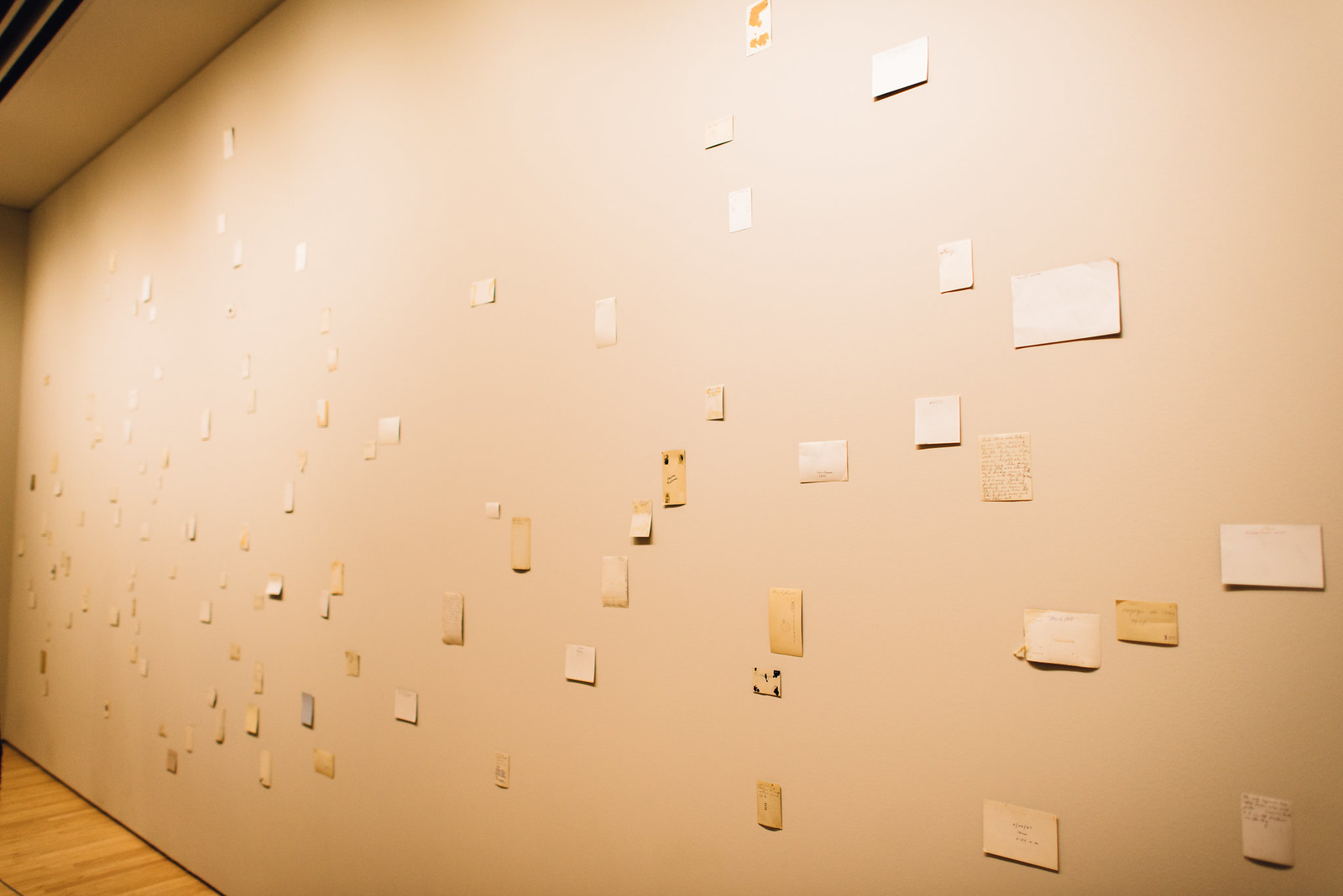
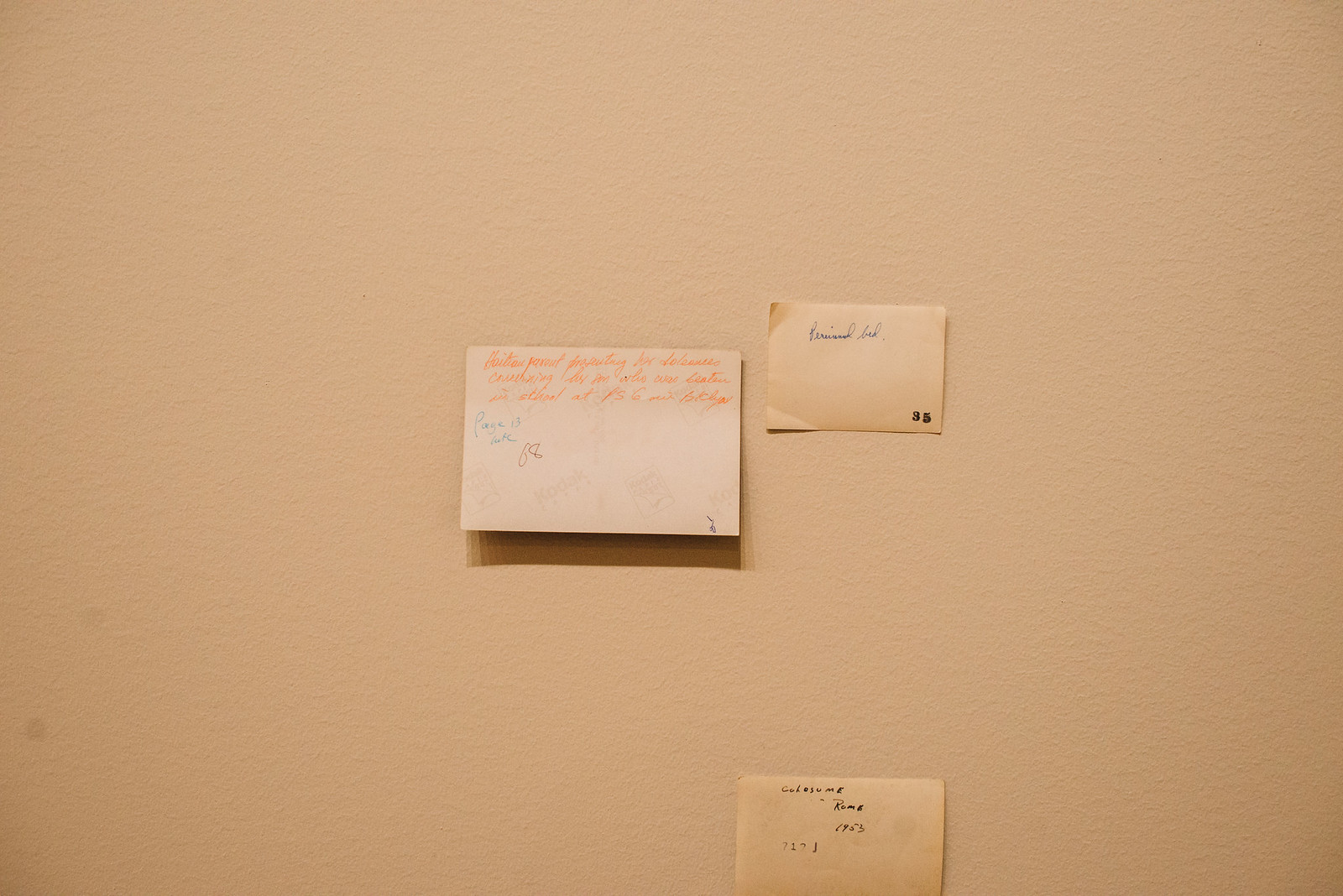
This was one of the most profound installations. These are the backs of photos, with hand written messages. The authors would have never guessed that their photos and messages would preserved in a museum.

DSC_2947

Each letter tells a different story, and when displayed together, you realize that the world we live in doesn’t have this anymore. It’s kind of sad to think that children born today will probably never know what it’s like to tie sentiment to physical objects.

I wonder if there will be trends in the future that lash back against ephemeral photo/video sharing apps like Snapchat. Anyway, that’s getting pretty deep… I’ll save that for another post. ^_^ Onward.

DSC_2953

As we entered the next floor, we had to snap a couple of souvenier photos. This, my friend, is the best way to describe Slack. Hah!

DSC_2956

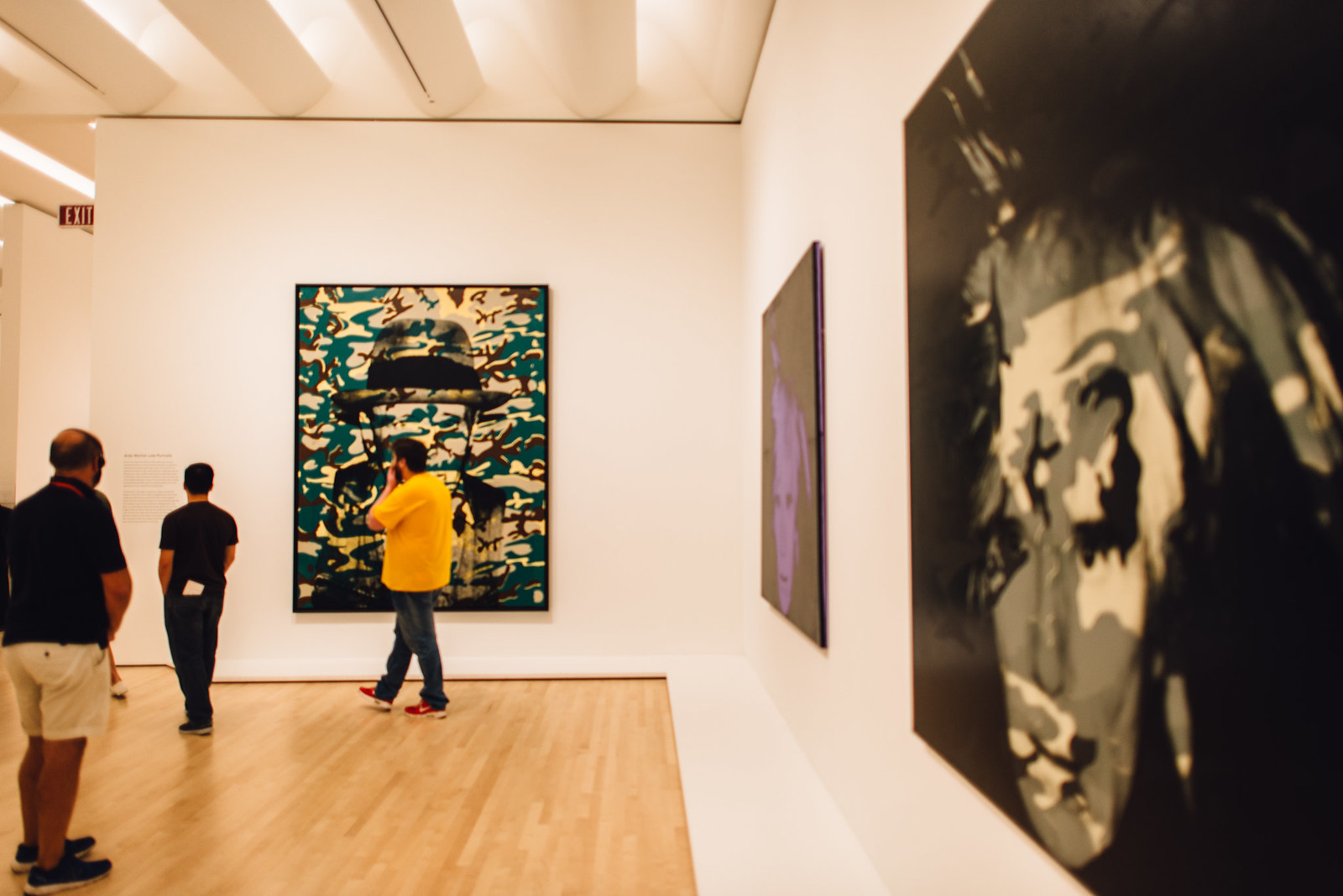
And of course, we went through some of the pop art. Love him or hate him, Warhol changed the game.

DSC_2957

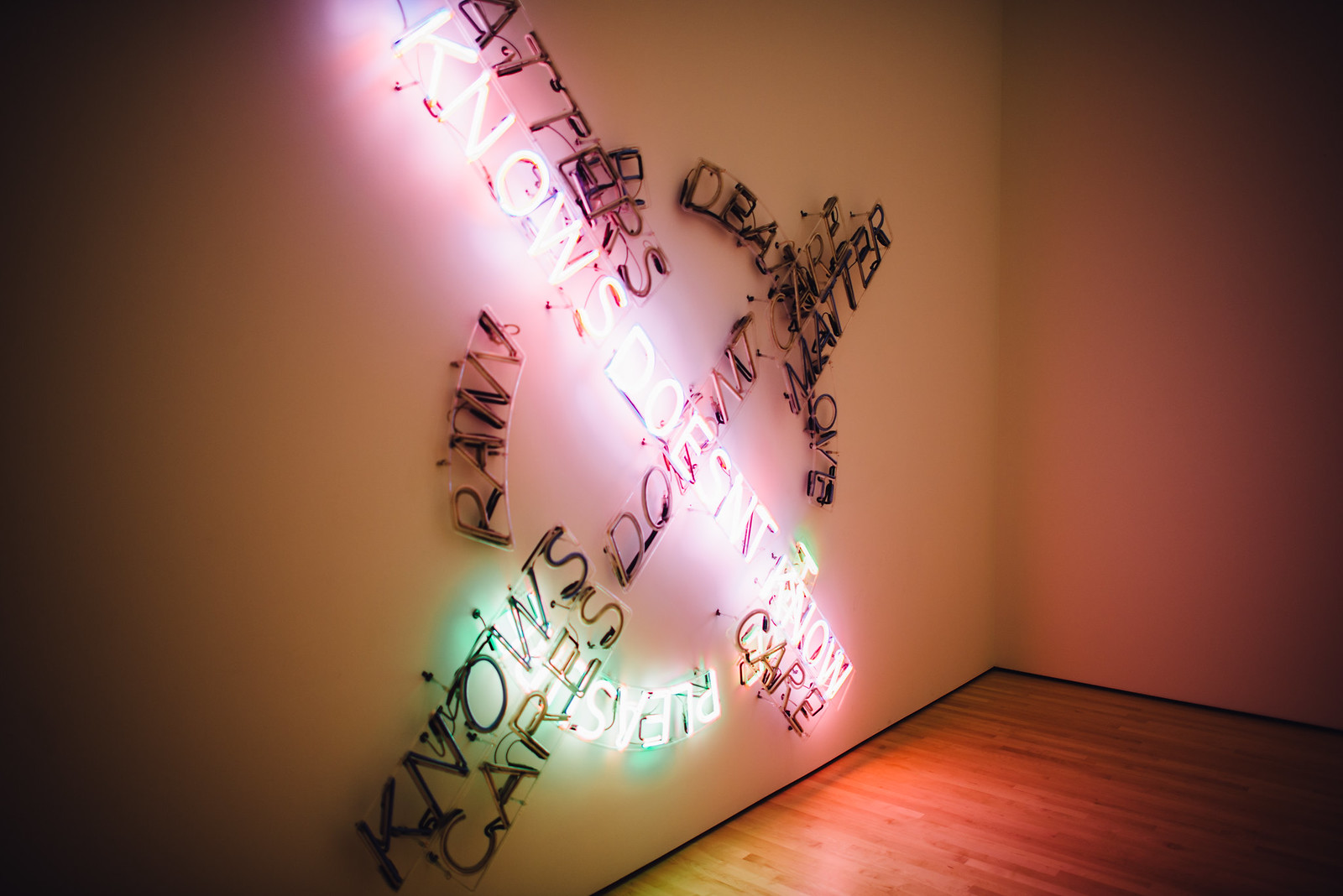
Neon lights with artsy messages that rotate every second.

DSC_2960

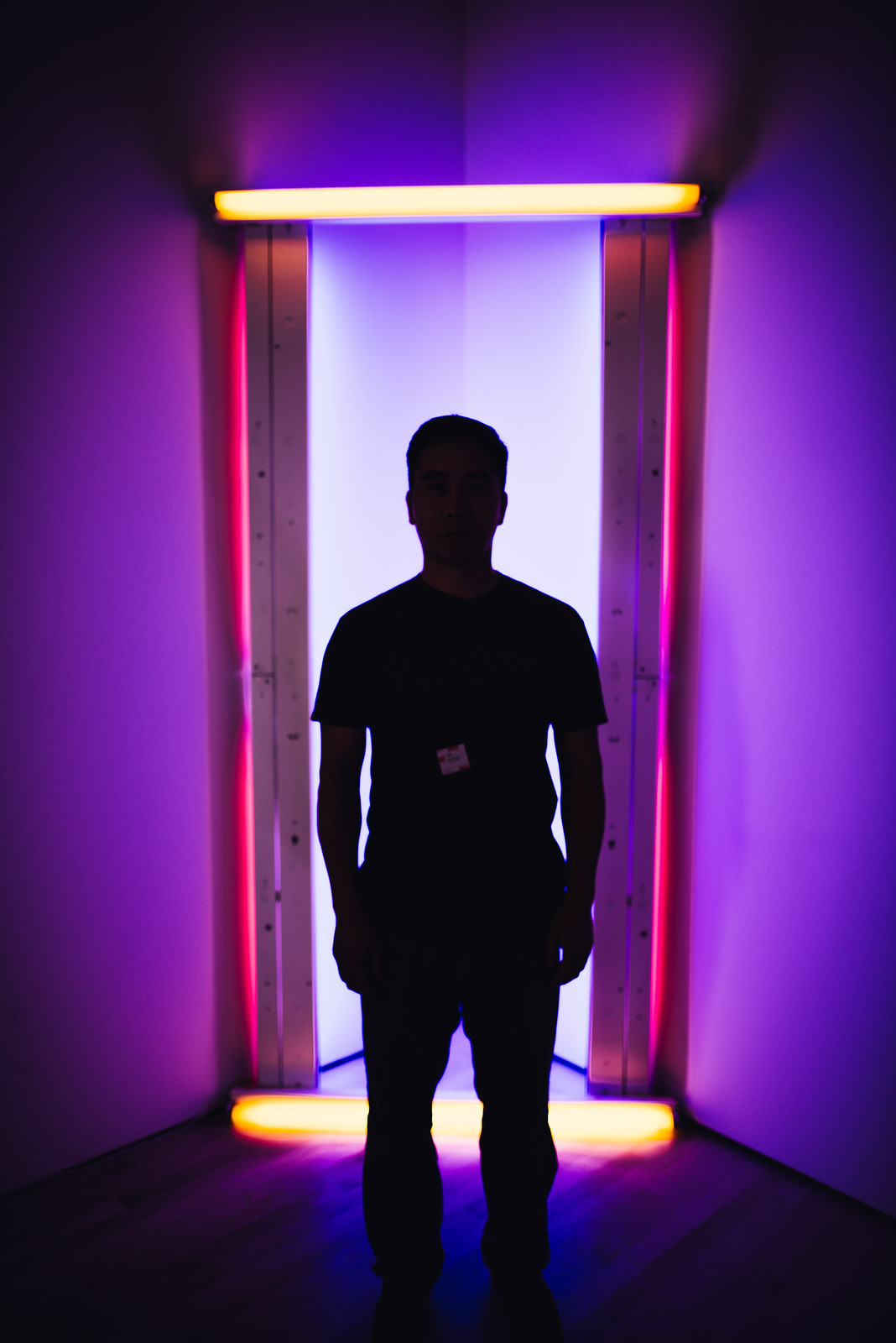
Rudy standing in front of the corner light installation.

DSC_2963

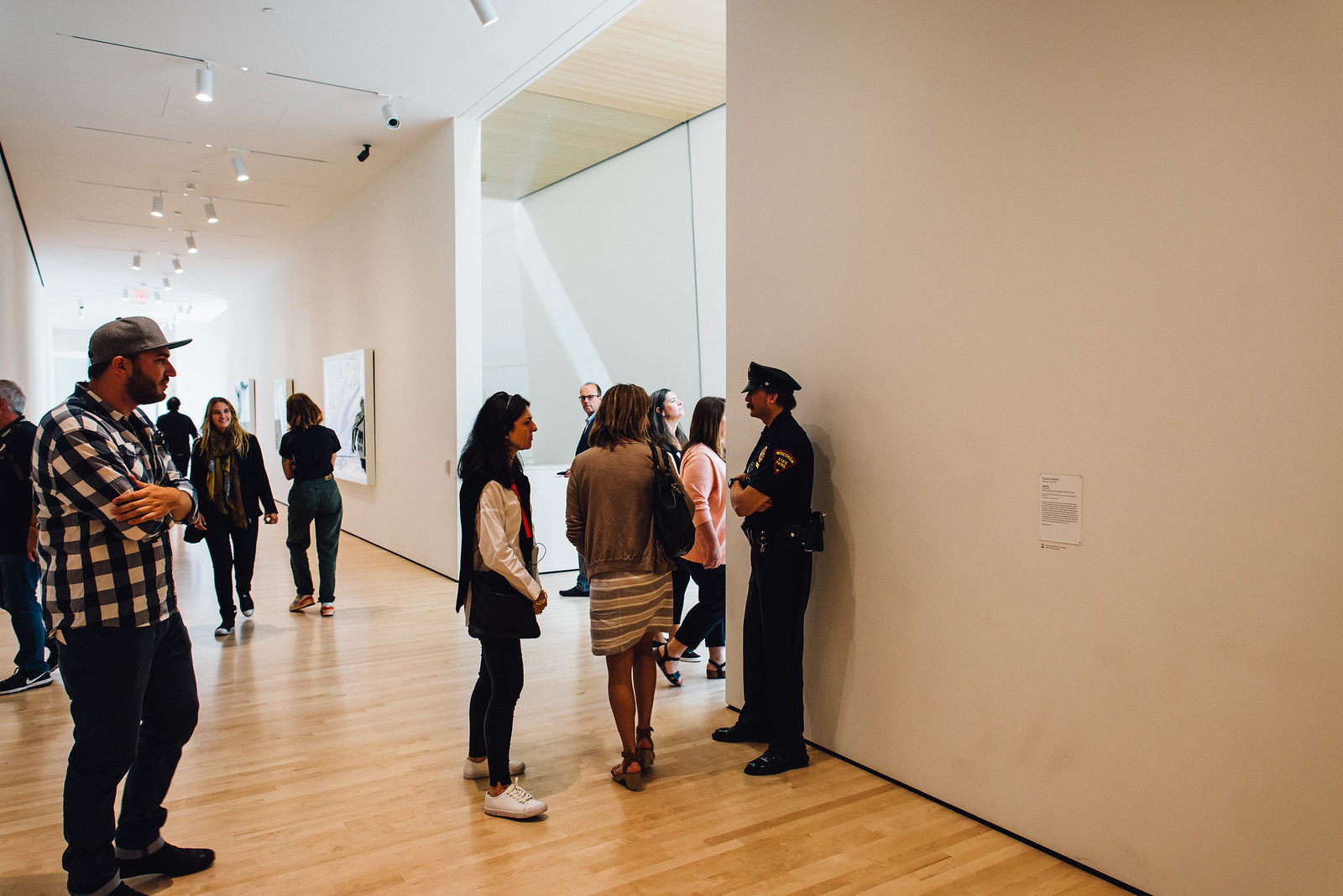
People were fascinated by this wax sculpture of an old police officer. Rudy nearly mistaked the sculpture for a real person.

DSC_2964

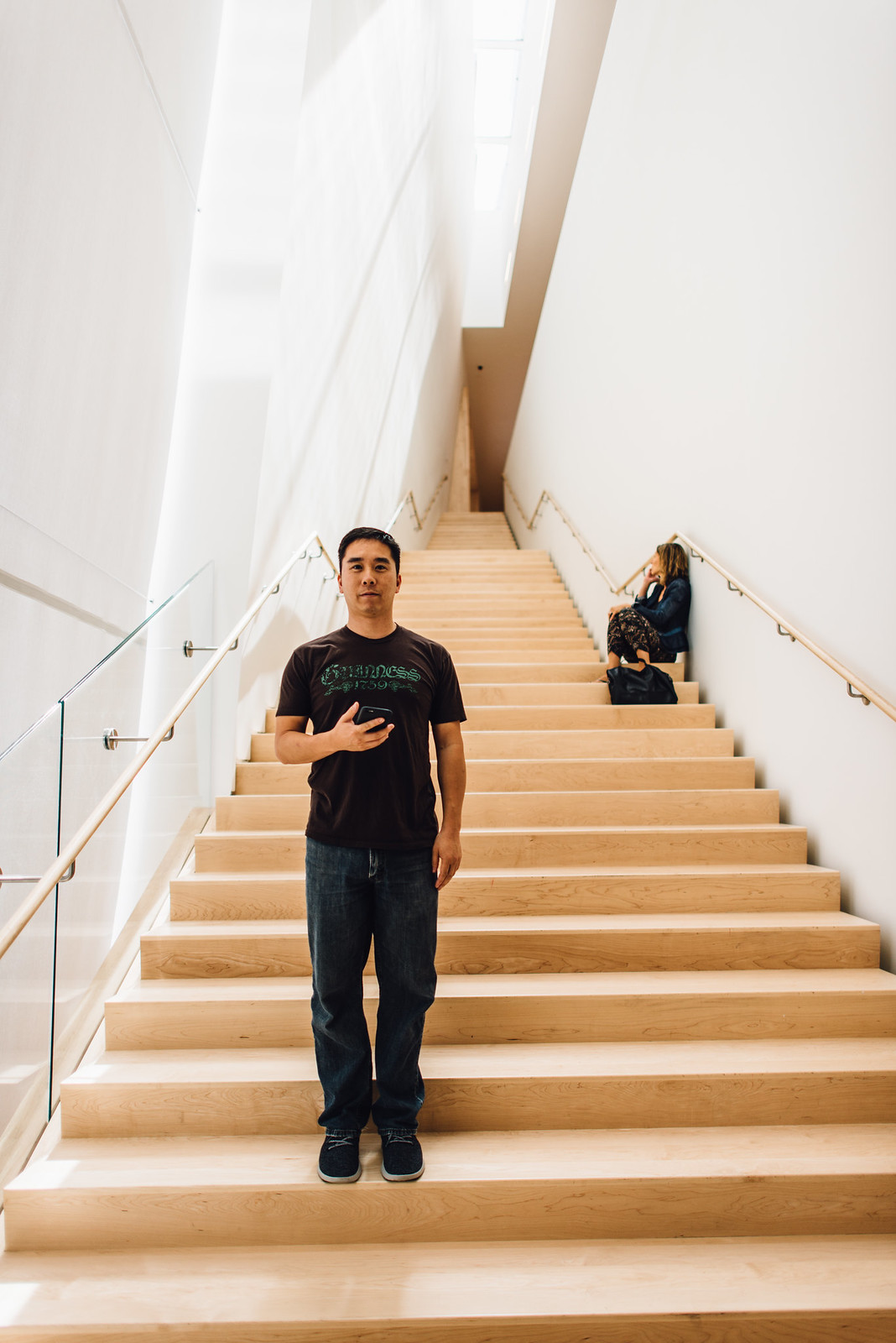
Can you imagine what it would be like if you had hundreds of people walking up these stairs?

DSC_2965

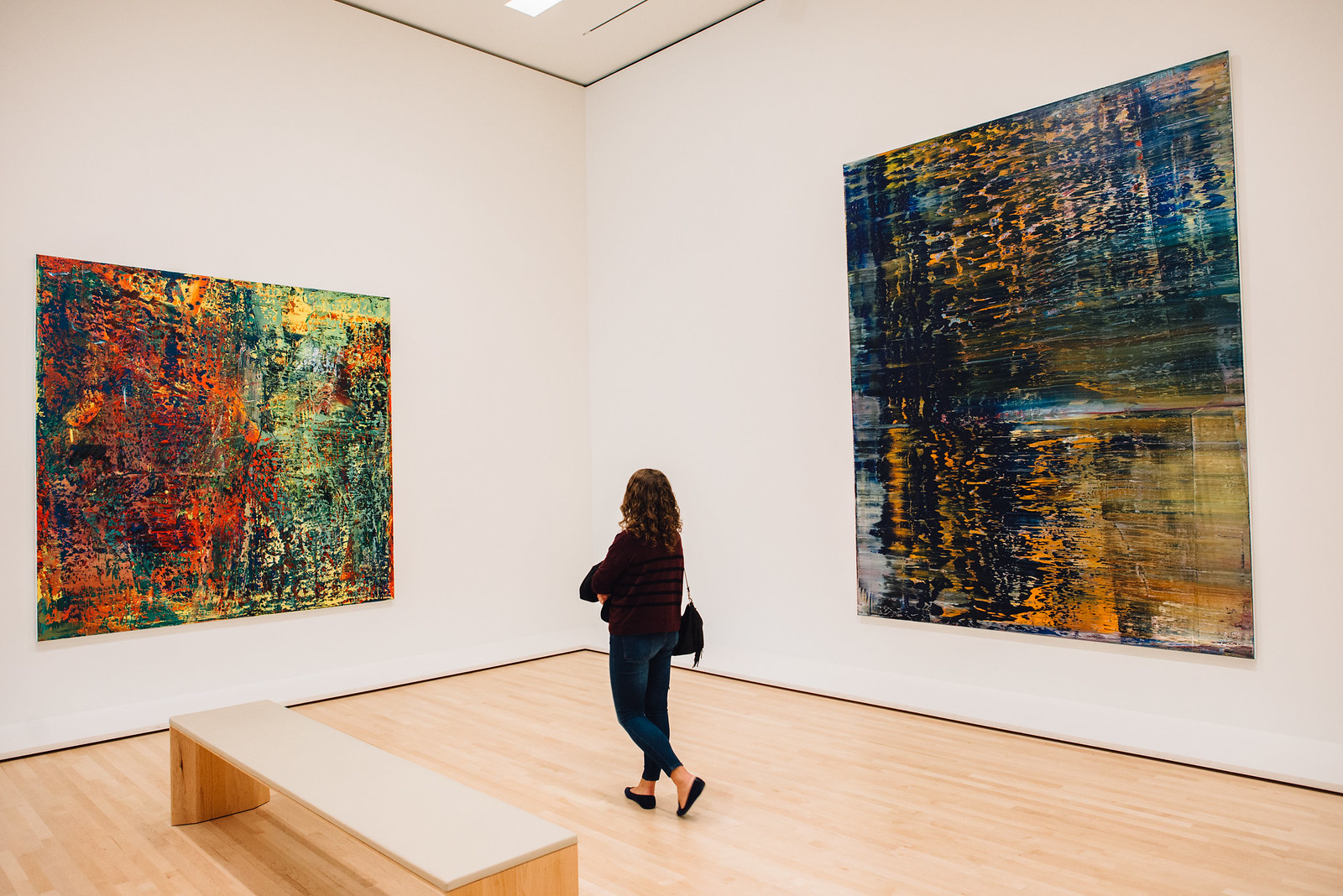
As we walked through the top floor, we got to check out some of the more abstract paintings.

DSC_2967

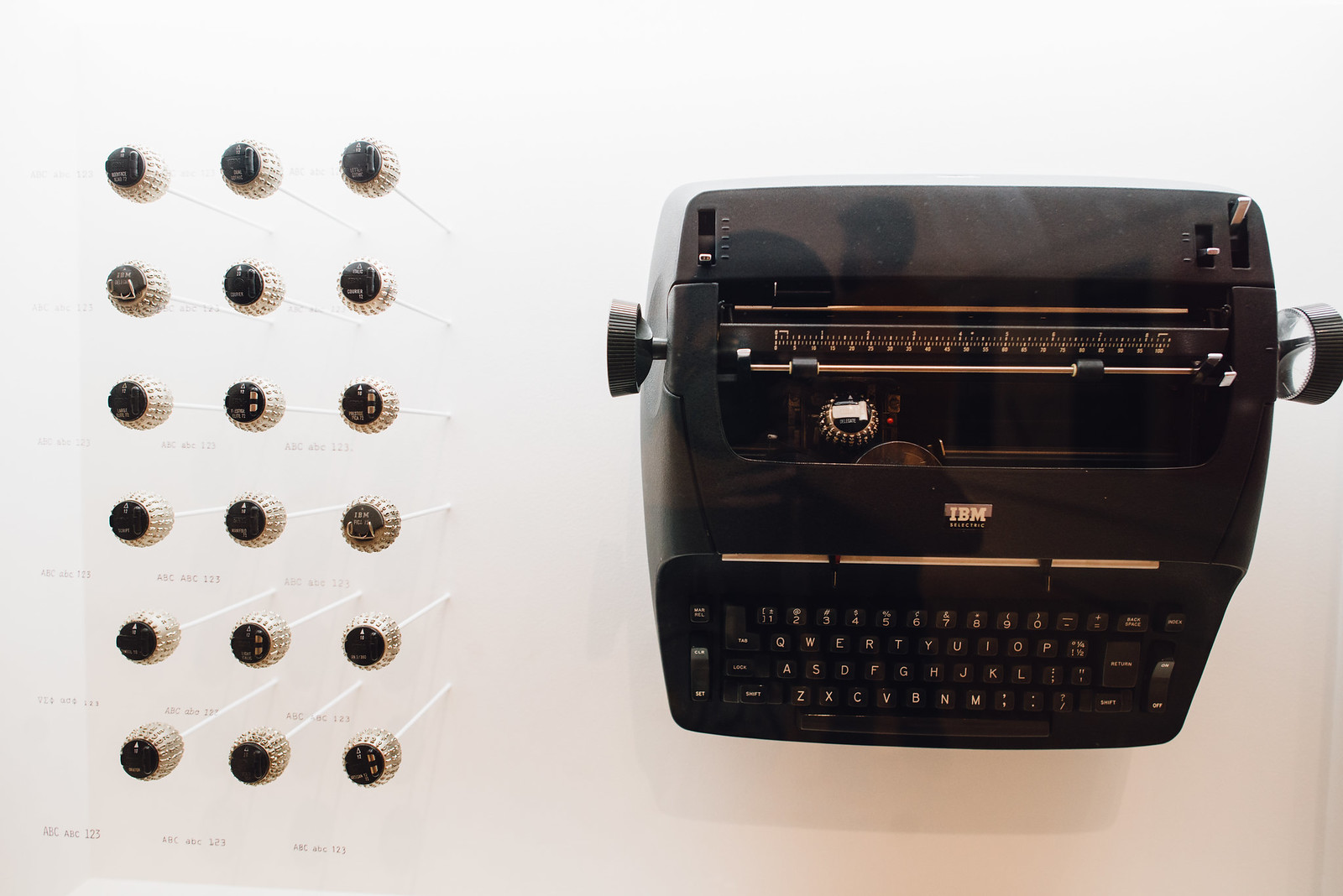
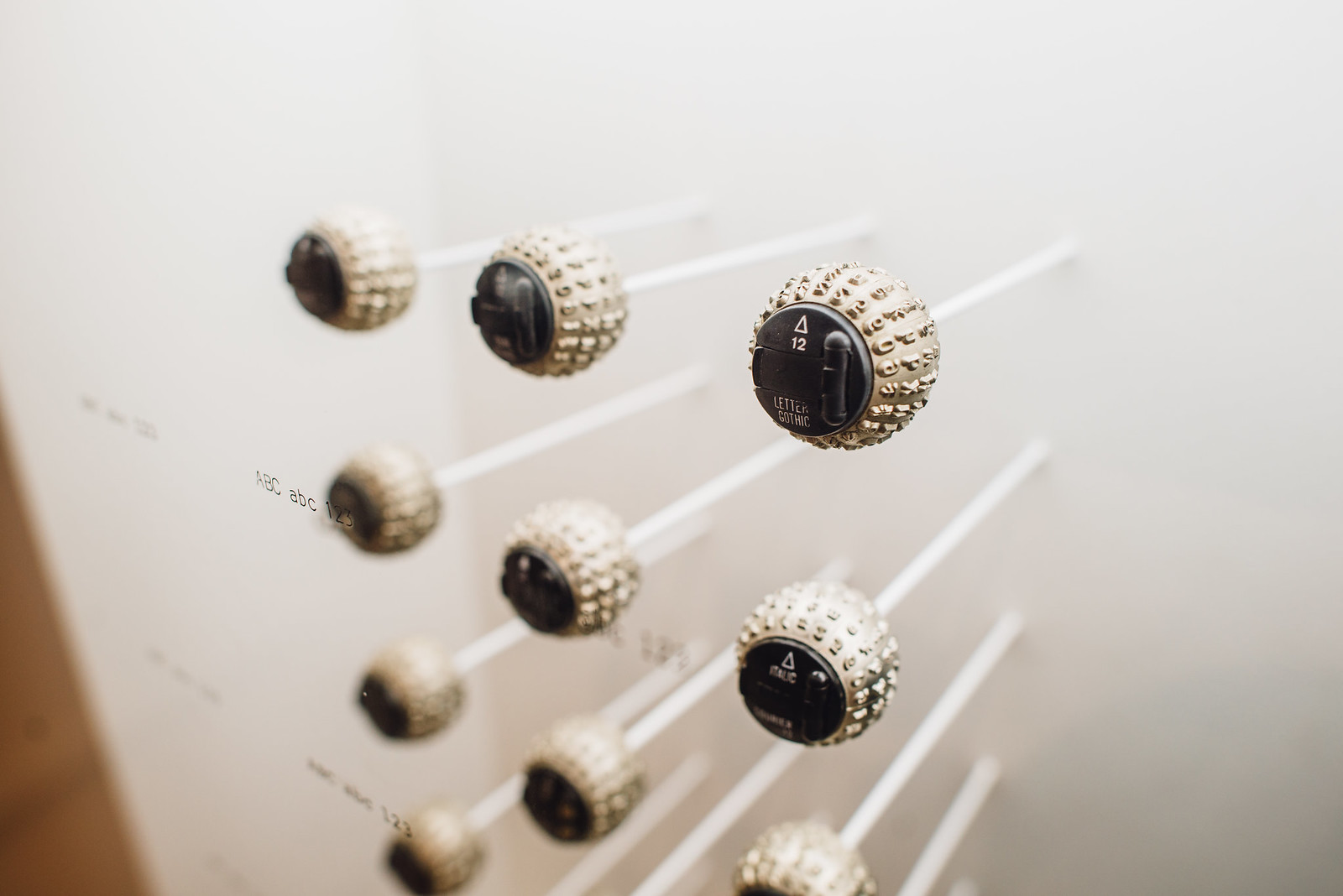
After we finished going through the abstract floor, we changed gears and checked out a floor designated to typography and some technology. Yes, that is a type writer.

DSC_2968

The way the type is wrapped around the sphere almost seems alien. What beautiful relics!

DSC_2970

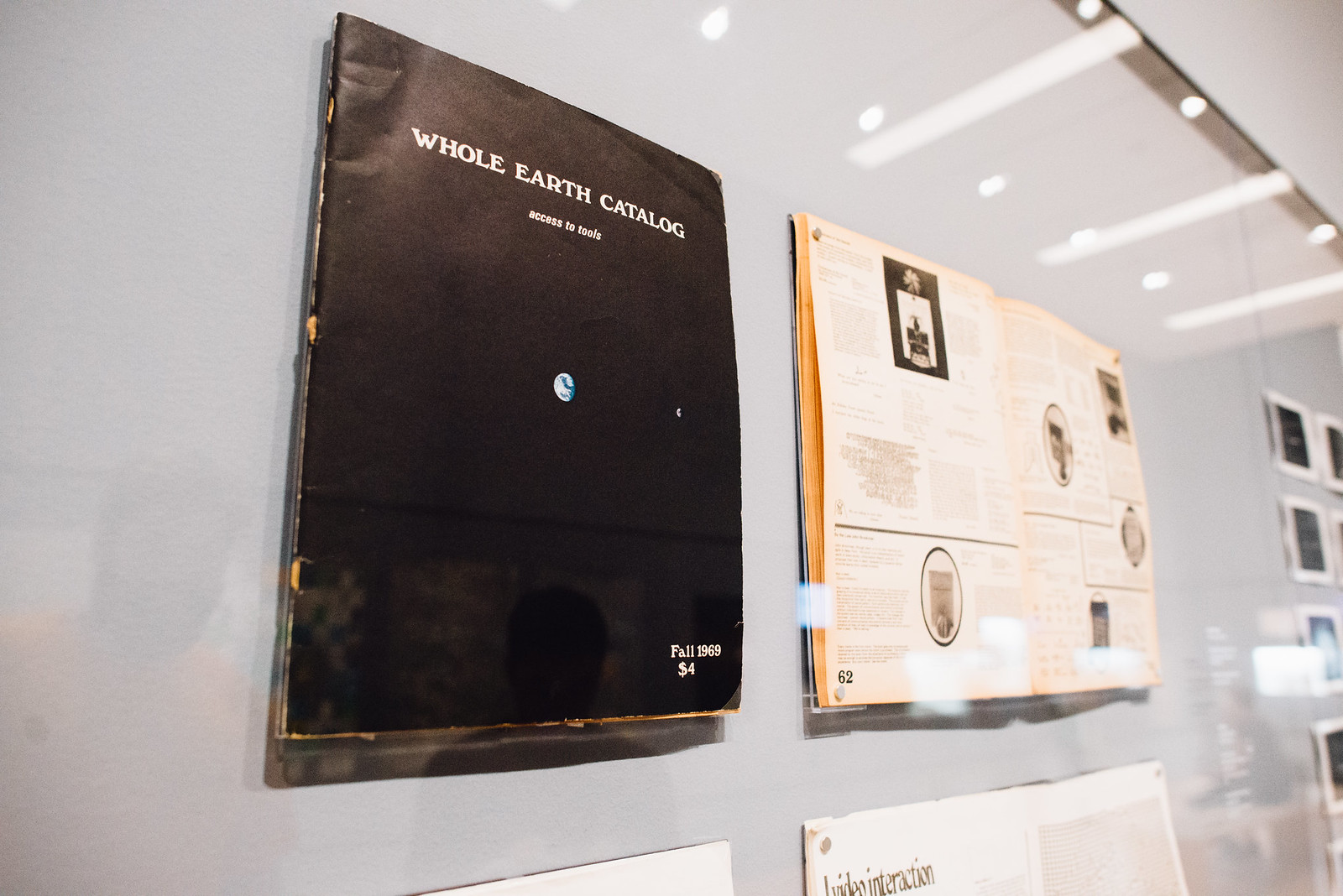
It was cool to see the Whole Earth Catalog. Some of my comrades are working on a site that was inspired by this, called Kit. Check ’em out when you get a chance.

DSC_2972

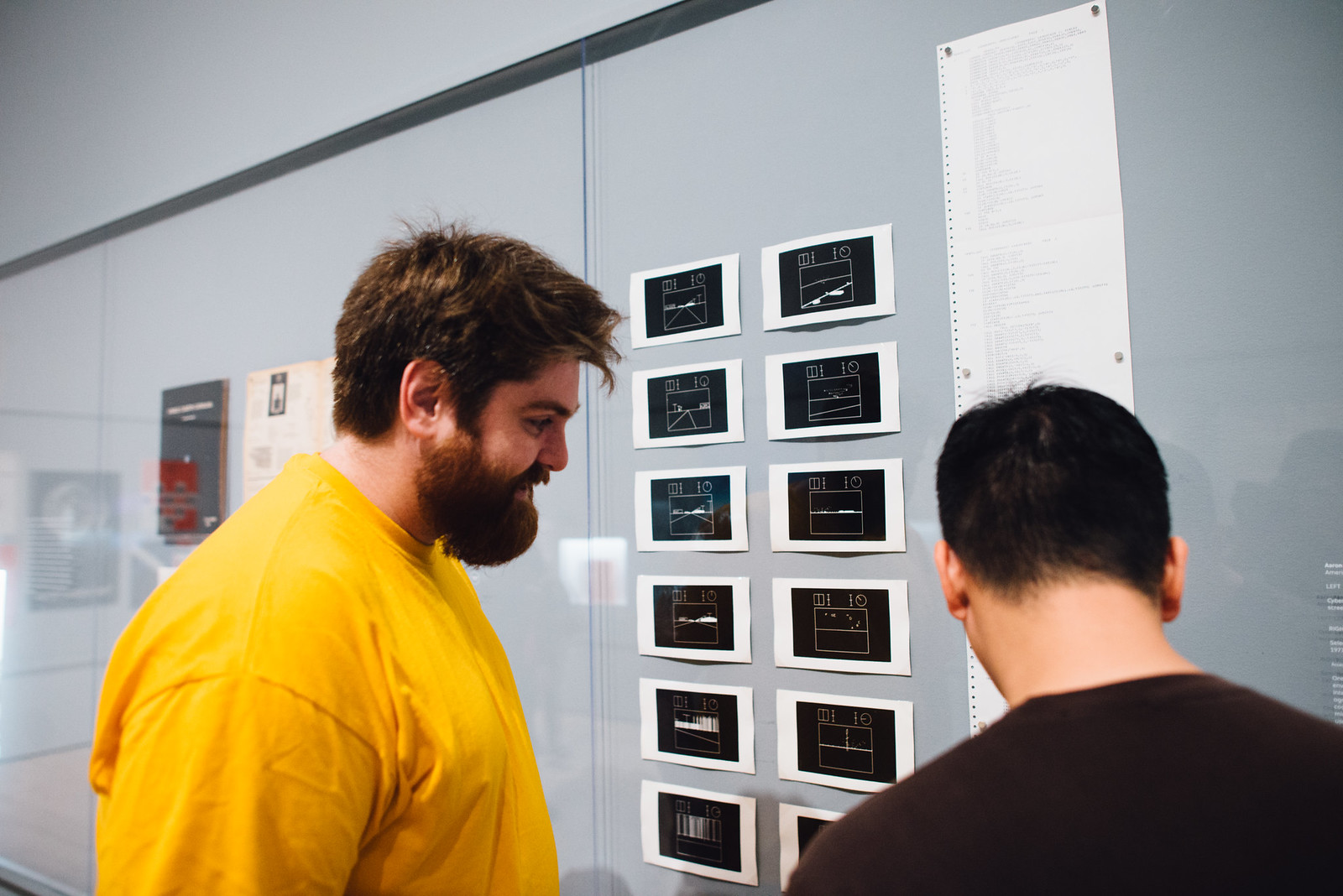
And here, the geeks marveled at the code used to create the vector graphics printed on black.

DSC_2973

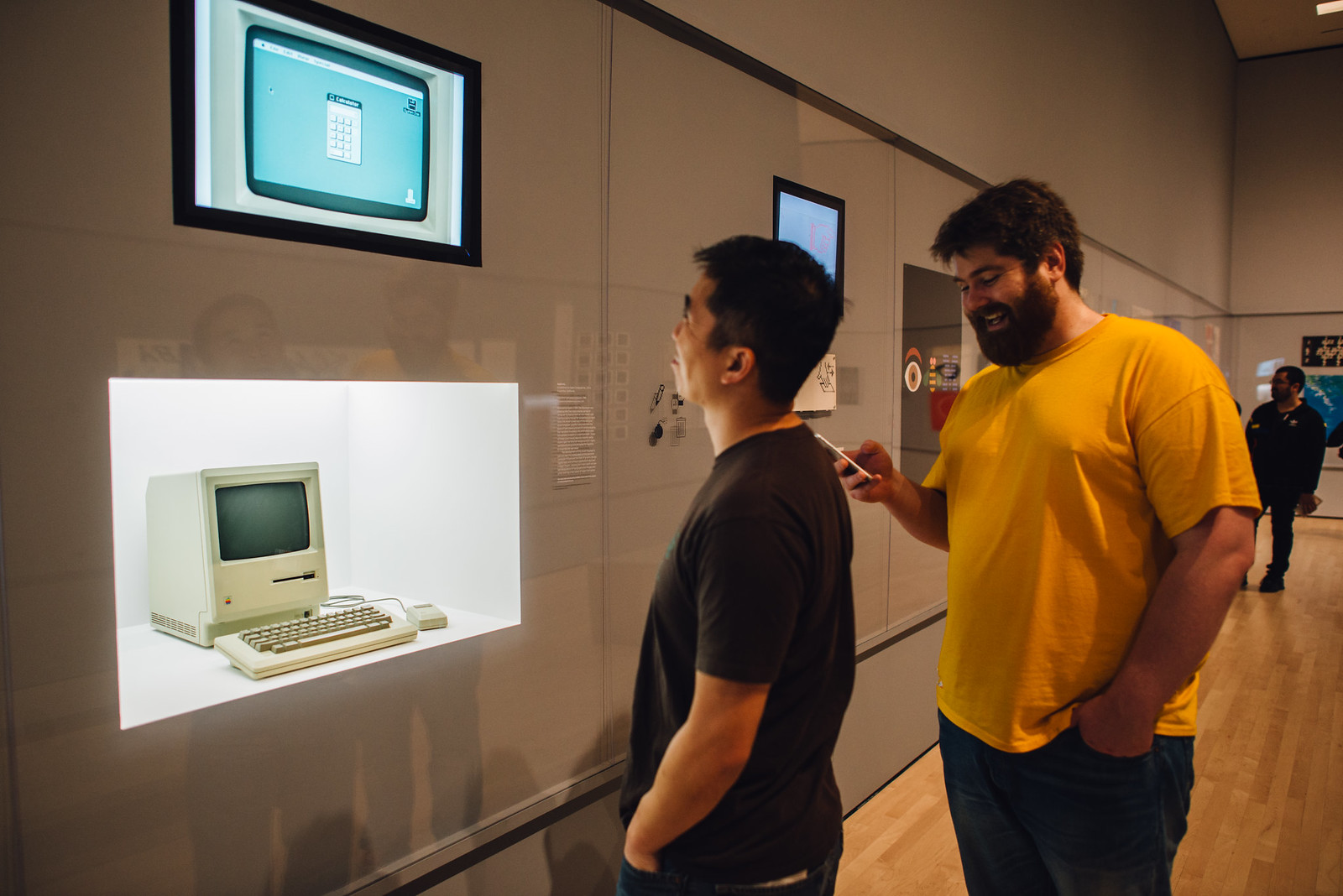
And yes, that is a Mac Classic.

DSC_2974

Seriously, how many of you guys remember this? What an amazing piece of history.

DSC_2977

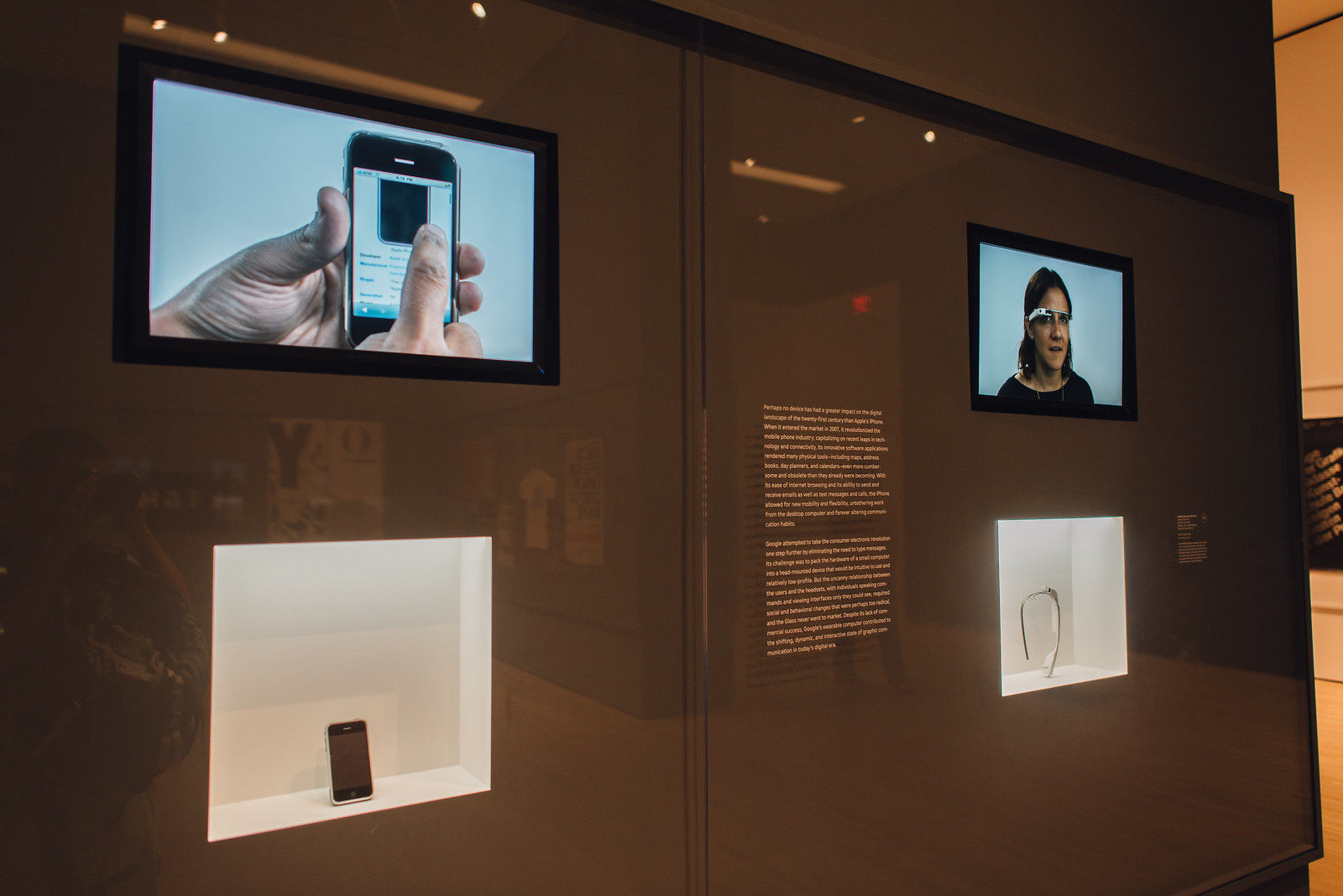
And I’m going to finish off with the iPhone. It’s a coincidence that I was just re-watching the original video of Steve Jobs introducing the iPhone the other night. Wow. Just wow. Wow. Wow.